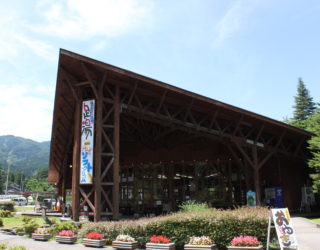
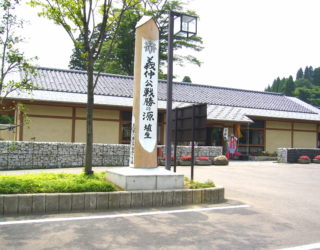
The six cities in the western region of Toyama prefecture are endowed with abundant nature and offer opportunities to experience traditional techniques.
There is also a variety of seasonal events that are held.
Please visit each city, enjoy the various charms it has to offer, and make the most of the rich history and culture.
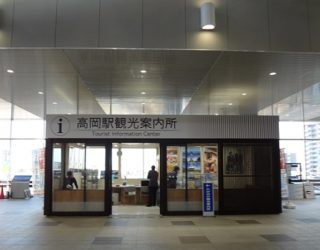
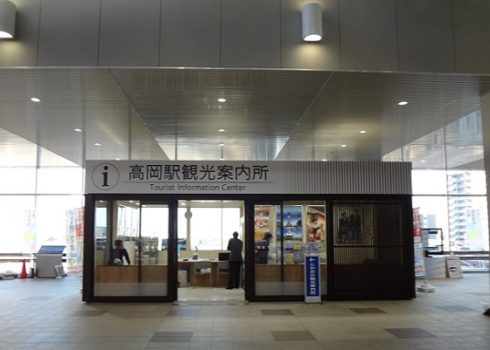
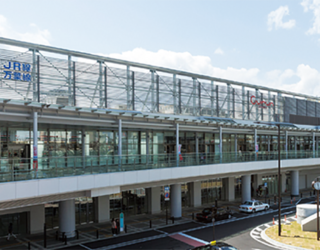
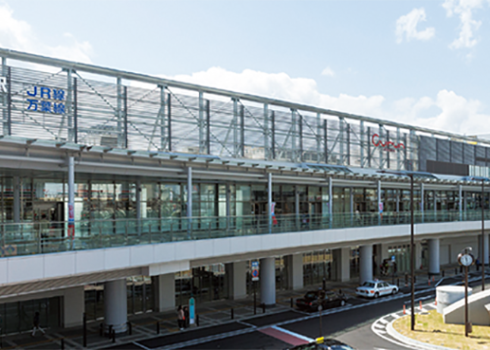
The Tourist Information Center is immediately outside the Takaoka Station ticket gates, on the north–south pathway. In addition to tourist information about Takaoka City and pamphlets, it offers Takaoka postcards and business card blanks.
Address
6-1 Shimozekimachi, Takaoka, on the north–south pathway >Google Maps
Right in front of the ticket gate as you leave the Hokuriku Shinkansen line at Shin-Takaoka Station, we have a broad selection of Takaoka City tourism information and regional brochures. The nearby MONONO-FU gallery displays and sells traditional products and crafts of western Toyama.
Address
3012 Shimokuroda, Takaoka, inside JR Shin–Takaoka Station >Google Maps
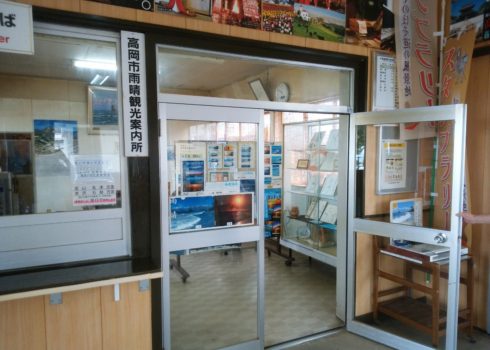
It is the gateway to the Amaharashi coast, and Takaoka's finest scenic area. The Amaharashi coast is about a five minute walk from the Amaharashi Station.
Address
105-5 Shibuya, Takaoka, inside JR Amaharashi Station >Google Maps
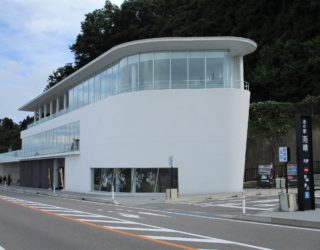
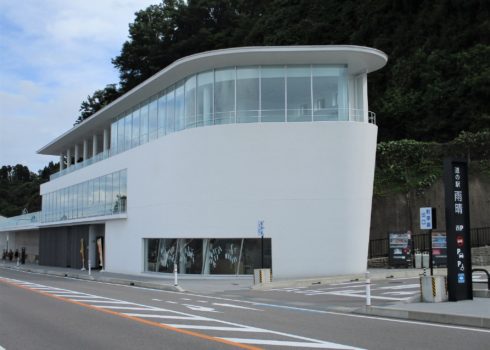
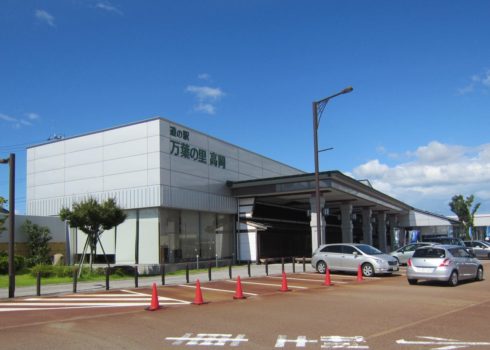
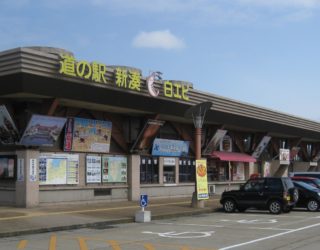
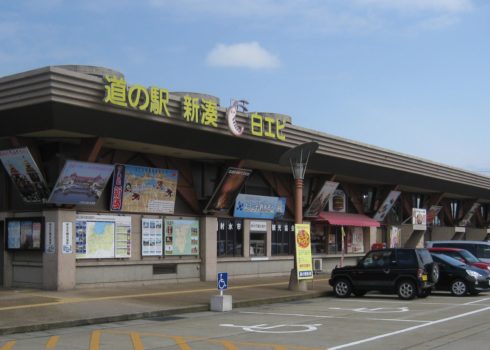
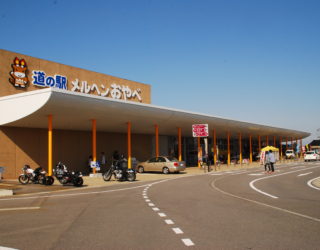
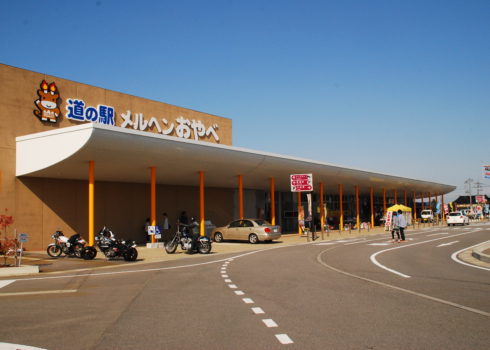
This Roadside Station faces the Amaharashi Coast. We offer a space for visitors to enjoy local food and specialty products while admiring the beautiful scenery. Parking: 4 large vehicle spaces, 34 small vehicle spaces, and 1 disability space
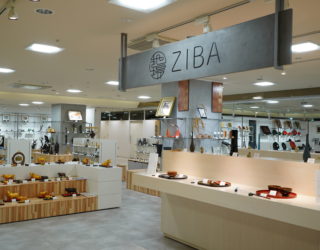
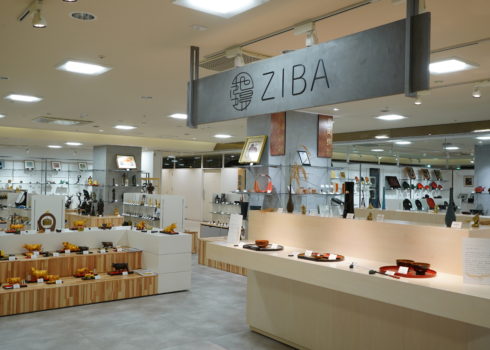
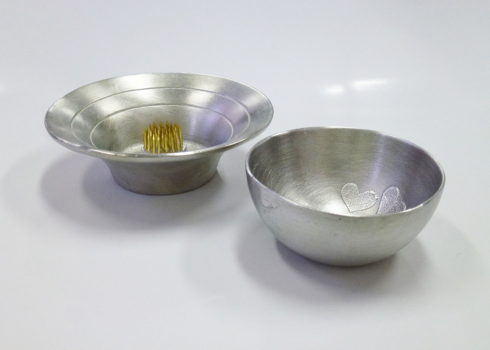
In addition to nationally designated tradition handicraft Takaoka copperware, we display and sell delicious confections, marine products, and other local specialties. We also offer hands-on lacquerware classes at our artisanal workshop.
Takaoka, responsible for much of the Kaga domain’s economic activity as a city of commerce and industry since feudal times, also has a thriving tea ceremony tradition. The town is dotted with shops selling wonderfully delicious Japanese confectionary to accompany the tea.
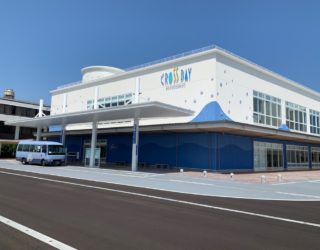
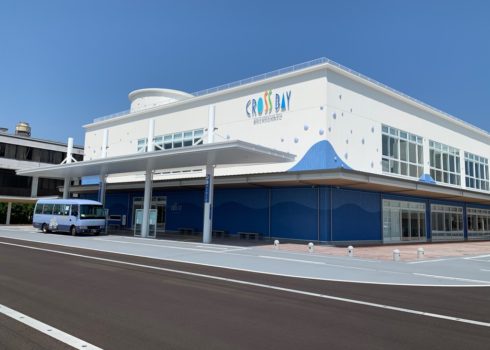
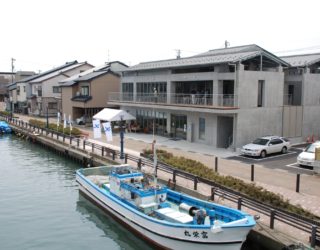
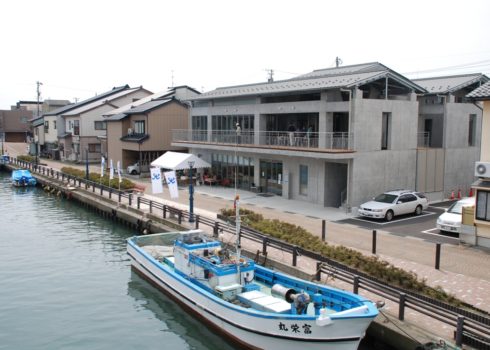
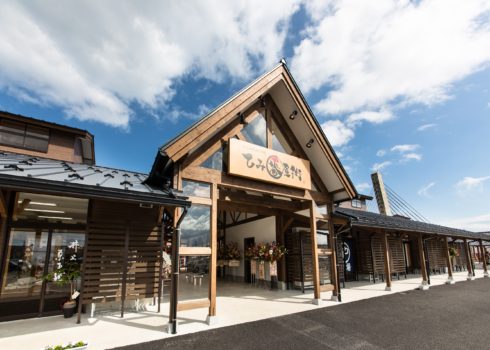
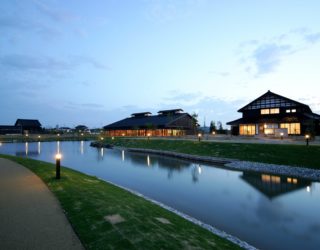
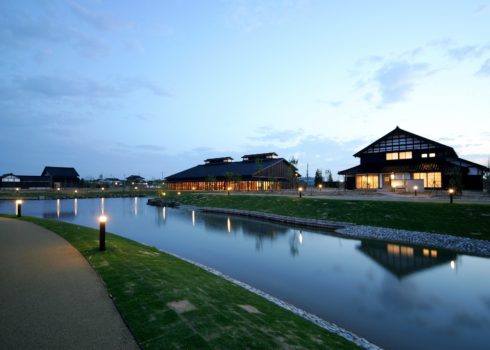
This is a new sightseeing and exchange base in the Imizu Bay area.
Areas include restaurants, bouldering, and other activities. The Imizu Tourism Association is also here.
Markets and events are held from time to time. Check the website for details.
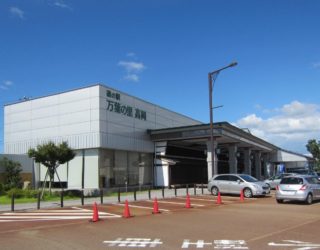
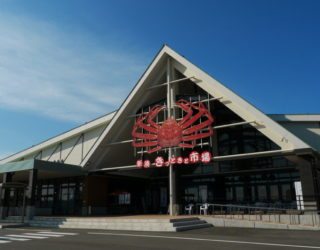
We have an assortment of many delicious and truly local products, focusing on seafood and souvenirs made with glass shrimp. With all kinds of local specialties you can’t find anywhere else, from the shop’s original products to Toyama limited lines, stop by to find something to recall your fun trip.
This rest space acts as a base for exploring Uchikawa. Inside, you’ll find displays of Shinminato Hikiyama, a small shop selling local specialties, and a cafe restaurant.
Look out over the Sea of Japan, the Kaiwomaru, the Tateyama Range, and Shinminato Bridge, and enjoy the flavors of glass shrimp, red snow crab, and other fresh seasonal seafood. We have a great assortment of souvenirs featuring freshly-caught seafood and local rural products.
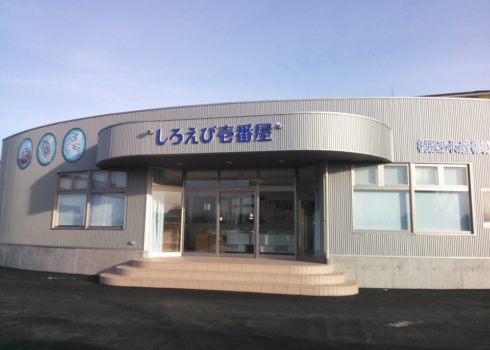
The chef takes precious glass shrimp caught in the local Toyama Bay and carefully peels each one by hand to make sashimi. Relish the luxurious sweetness concentrated in these small shrimp.
Reservations are required for buses and for tours of the workstation for groups of 10 or more people
This is a directly managed shop for Shinminato kamaboko. Founded in 1940, we primarily manufacture artisanal kamaboko and kombu maki unique to Toyama. In recent years, we’ve developed products such as glass shrimp kamaboko using locally caught glass shrimp and kamaboko chips perfect for snacking.
We sell seafood products specialized in our local area to buyers from far and wide.
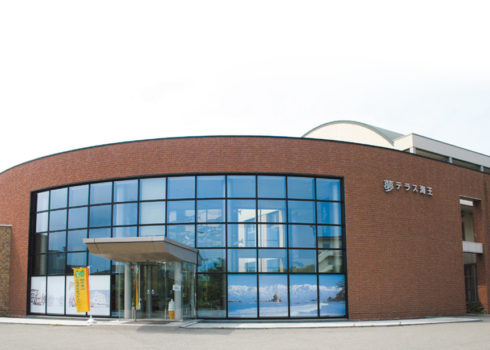
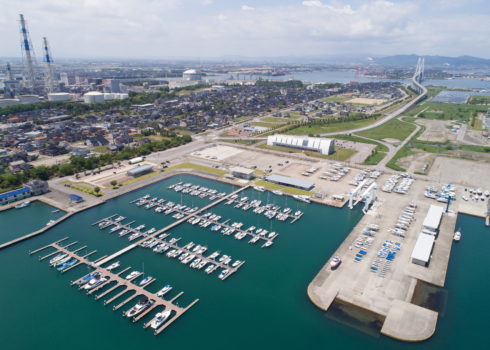
At this unique marina, with its diverse variety of ocean leisure activities, the clubhouse is a place to relax and a base for people who use the marina. The restaurant Sazan is also in the area.
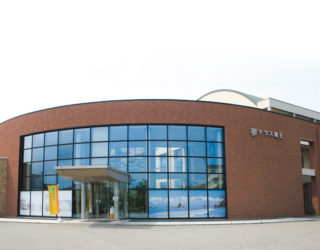
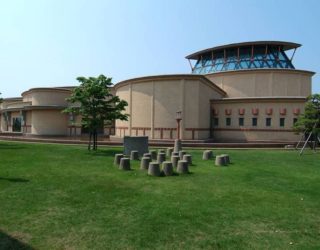
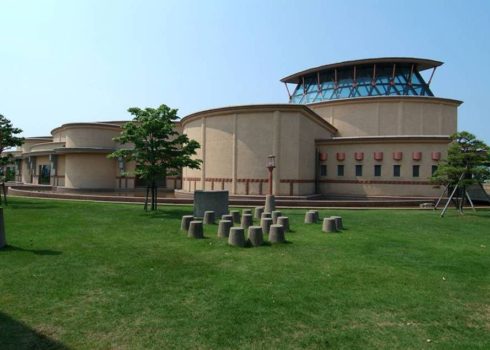
This museum introduces the port town of Hojozu, where the Muromachi shogunate (1336–1573) took refuge during their reign in the Middle Ages, as well as developments in the surrounding plains. It also has permanent displays of the “Koju Library Archives,” including Edo-period (1603–1868) Japanese mathematics, measurements, and illustrations by Nobuyoshi Ishikuro and others, as well as works by potter Munemaro Ishiguro, a Living National Treasure.
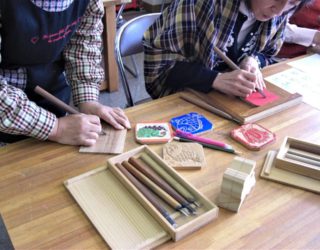
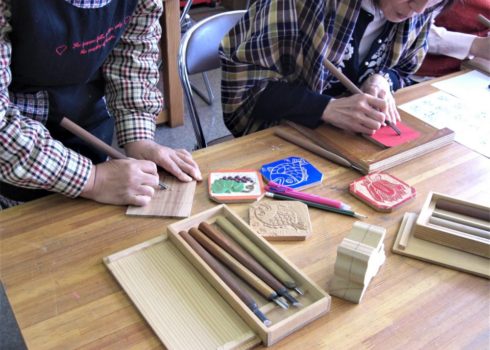
This museum displays a great number of relief drawings by Genzo Takeuchi, a master lacquer carver who has received high praise and support. There is also a hands-on relief making course.
With approximately 10,000 picture books from Japan and around the world housed, various events, such as exhibitions of picture book originals, as well as workshops and classes for creating picture books, are held for the enjoyment of parents and children together.
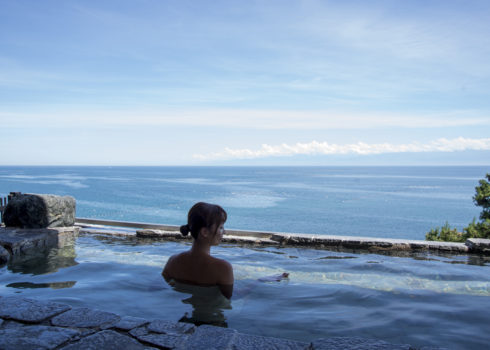
Himi onsen are generally sodium chloride hot springs, known as “beautifying hot springs” for their positive effects on the skin. Enjoy a relaxed, soothing experience with delicious food from the sea and the mountains, heart-cleansing scenery, and warm onsen.
Get your fill of local specialties such as conveyor-belt sushi made with fish delivered directly from Himi Fishing Harbor, Himi udon, and Himi beef.
Also recommended for shopping for fresh seafood from Toyama Bay, processed seafood, and sweets!
There is also a natural hot spring bathing facility and an observation deck.
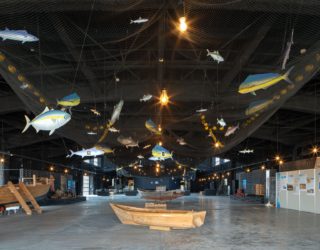
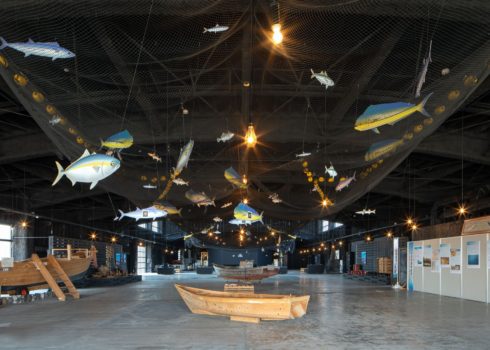
Himi Fishing Cultural Exchange Center (Himi Ocean Exploration Hall)
With displays of real “Etchu-style fixed shore nets,” you can have fun learning about the Himi fishing industry.
Because renovations were completed in June 2020, there is now a virtual reality (VR) theater offering stunning films and an (AR) stream available on smartphones.
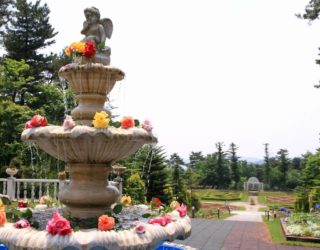
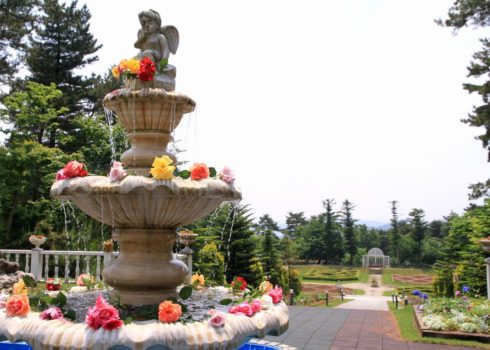
Himi Aiyama Garden is a 44,000-m2 Western-style garden of flowers and greenery located in a forest on a small hill.
Enjoy a cruise through the garden and a slower pace of life in a comfortable place where the Tateyama Range, the sea, and the sky dance together in beautiful harmony.
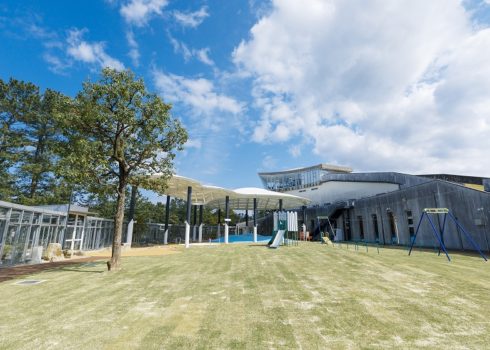
This park was built in 1996 as a botanical garden by cultivating and showcasing primarily seaside flora from all parts of Japan. In June 2020, it was renovated and reopened as a facility open come rain or shine, with a covered “fun exhibition garden,” playground equipment, and classrooms for training.
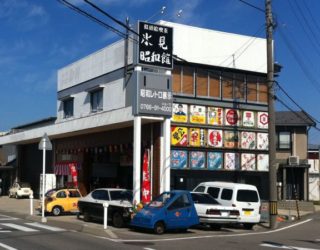
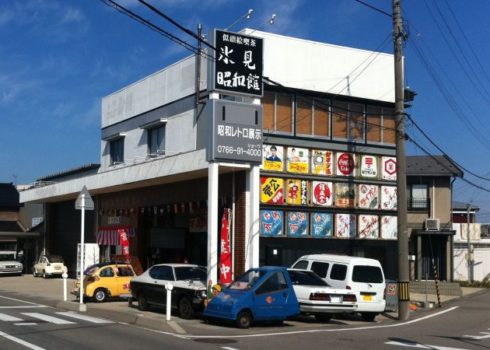
The Showa Experience area has an old-style Japanese house and model shop reminiscent of the Showa era (mid-20th century), teeming with displays of various retro items.
In the cafe area, the jukebox plays your favorite old music, beckoning you back to the Showa era.
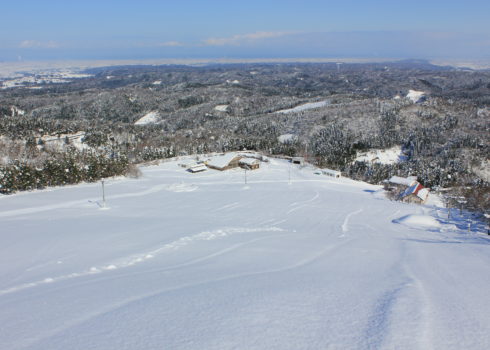
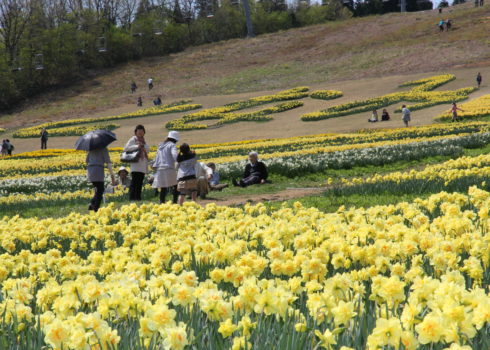
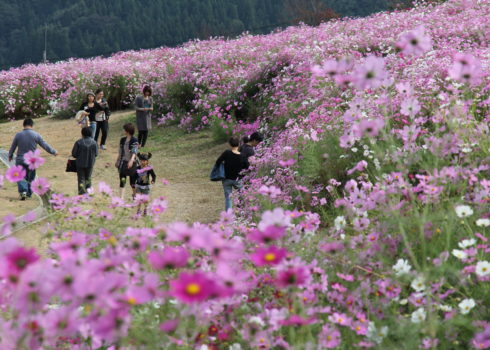
This ski resort offers sweeping views of the dispersed villages all the way to Toyama Bay. Enjoy this space year-round, with the ski slopes filling with flowers in the off-season: 200,000 daffodils in mid-to-late April and 1 million cosmos in mid-to-late October.
Tonami Health and Welfare Facility, Yuzunosato Yamabuki
This is a perfect spot for day trips, where you can relax and enjoy the views of the Shogawa River flood plain. With a restaurant inside, you can stop by to use this facility en route your travels.
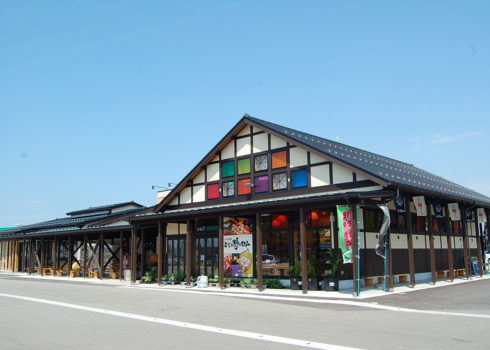
This is the sightseeing base for Tonami, the town of scattered villages and tulips. In addition to flower bulbs, handkerchiefs, neckties and other tulip-related goods, this is a direct sales location with a selection of fresh local vegetables.
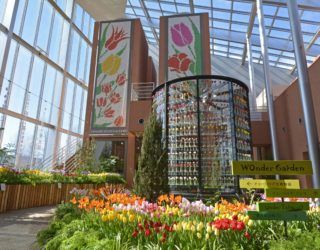
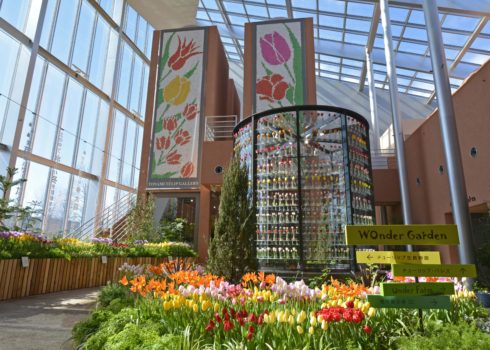
This is the only place in the world where tulips bloom all year-round. In addition to a museum providing information about tulips, there is a terrace with flowers blooming throughout all four seasons and a shop selling cute fripperies. We recommend relaxing in the cafe.
This facility clearly introduces the charms of the Tonami Plain’s scattered village scenery. It comprises an Information Center, Tradition Hall, Exchange Hall, and Folk Arts Hall, as well as facilities for training courses. To learn more about the dispersed village landscape, stop by here first.
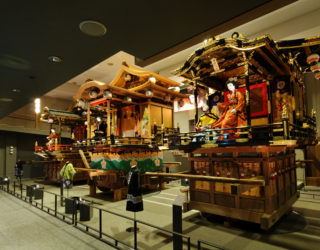
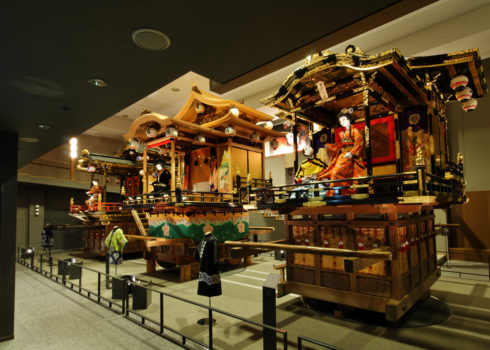
“Demachi Children’s Kabuki” is a Toyama Prefecture-designated Intangible Folk Cultural Asset with over 200 years of history. This hall displays three Hikiyama floats that are actually used in the festival. Various events are held in the auditorium, which is designed like an old-fashioned theater, mainly staged traditional performing arts.
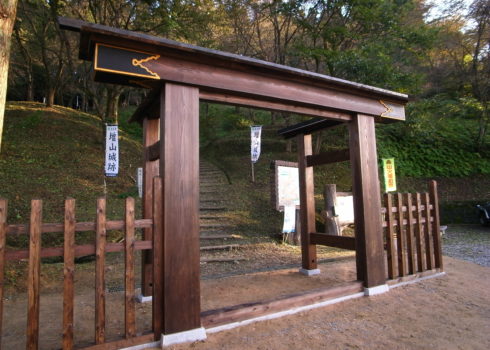
Nationally Designated Historic Landmark Masuyama Castle Site
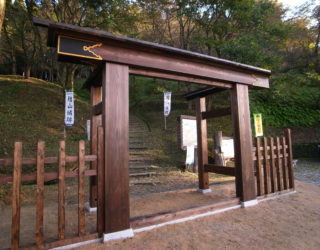
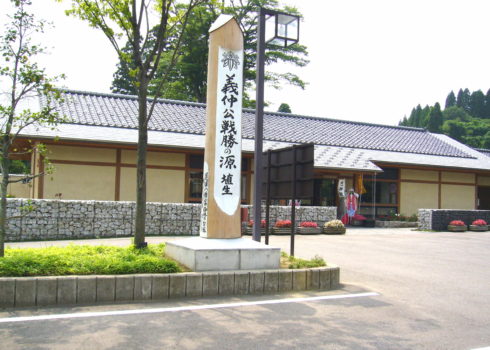
This is one of three great mountain castles of Etchu, famous among fans of mountain castles as the one that Uesugi Kenshin attacked three times. You can enjoy various ways such as voice guidance guided by the honorary castle owner (Lord), Shota Shunputei, and a GPS-linked app.
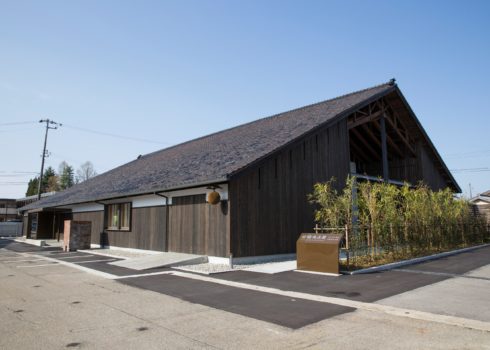
At the Reiwagura, you can purchase Wakatsuru Brewery’s sake and specialty wine and try tastings accompanied with local snacks. At the adjacent Taishogura and Saburomaru Distillery, you can observe the distillation process free of charge. (Reservation required)
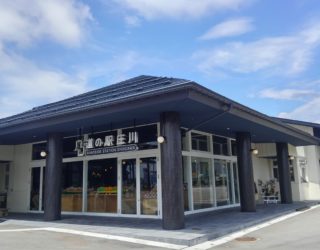
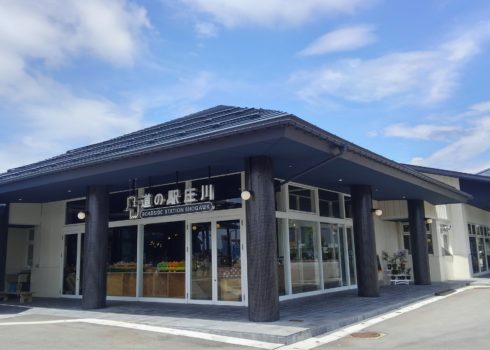
As the gateway to Shogawa Onsenkyo, Roadside Station Shogawa is an intersection of towns and people, for everyone from locals to visitors. In addition to selling local products and souvenirs, the facility includes a cafe and restaurant, popular with locals as well as tourists.
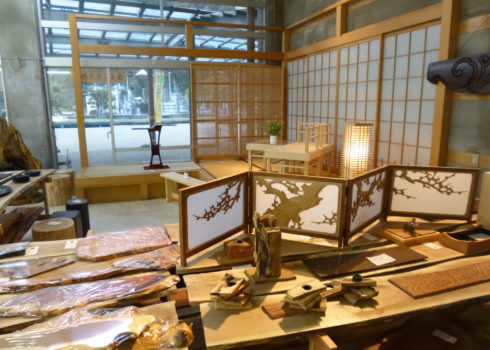
This is a “hall of fame” for traditional crafts and displays and sells traditional Shogawa woodturning masterpieces, as well as offering demonstrations and classes for Shogawa woodturning (Saturday and Sunday). The facility also acts as a tourist information center for the surrounding area and rents out bicycles.
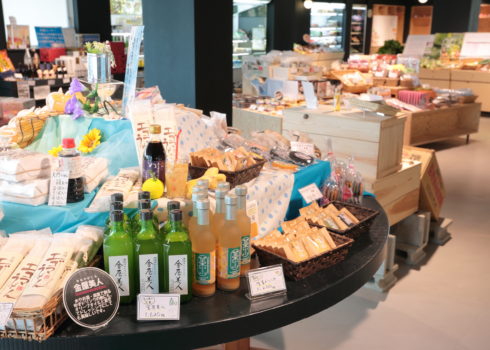
A wide variety of products are available for sale, including Shogawa district specialty Sho River yuzu processed goods, traditional craft Shogawa woodturning products, and Toyama tourist souvenirs. There is a cafe area, and on the outdoor wooden deck, you can enjoy the Sho River clearwater onsen foot bath for free.
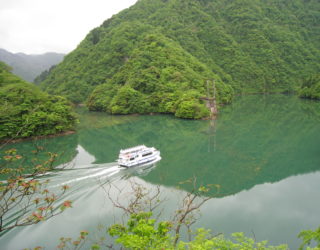
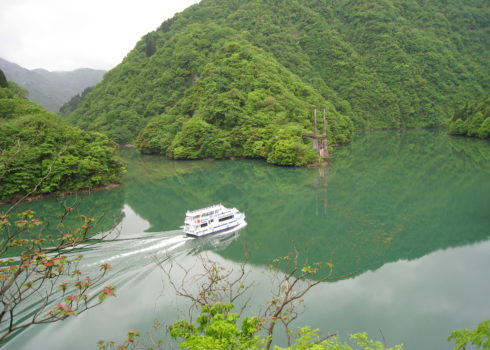
Listen to the murmuring Sho River and the chirping birds while enjoying the Sho River Gorge scenery, which is a delight for the senses through all four seasons, from sporting fresh green leaves to donning autumn-hued leaves, and then transforming into a winter wonderland. Take the regular round-trip sightseeing service to Omaki Onsen, returning to the harbor after a short sightseeing trip of about 25 minutes.
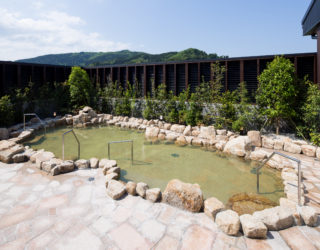
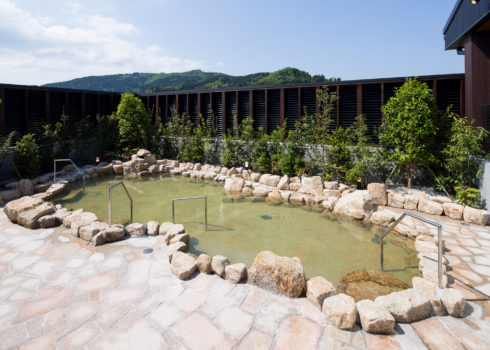
This is a natural onsen produced by Mother Nature in Oyabe. Relax and spend the whole day here, with a large public bath, a stone sauna, family baths, and a restaurant among the facilities available.
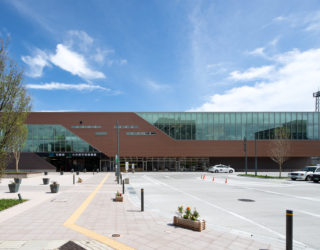
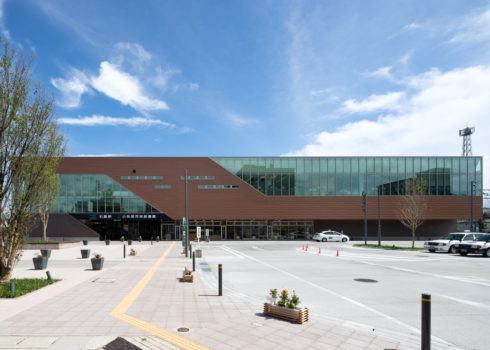
Isurugi Station is Oyabe’s main railway station. The station building also includes Oyabe City Library and the Tourist Information Center. The walls of the pathway are lined with local Japanese cedar wood, and the exterior of the building features a brick styling emblematic of Marchen fairytale architecture.
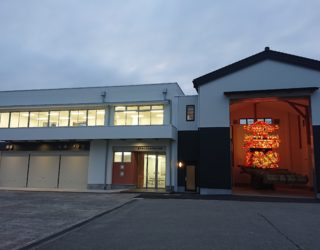
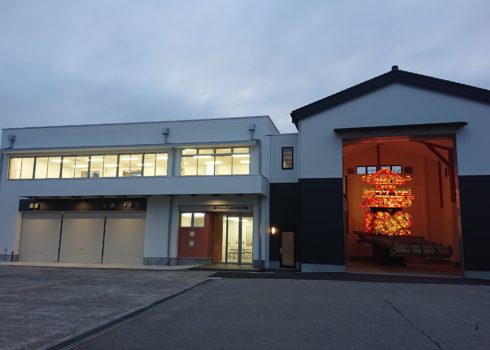
Tsuzawa Andon Fureai Hall is a sightseeing facility that lets visitors enjoy the charm of the Tsuzawa Yotaka Andon Festival all year round. In addition to a roughly 7 m tall lantern float on permanent display, the facility is equipped with meeting rooms, and offers Dengaku paper lantern painting lessons on a regular basis.
*There is a fee payable to use the meeting rooms, etc.
*See the website for details.
Opening hours
[Andon Exhibition Room]
9:00 am to 5:00 pm
[Multipurpose rooms, classrooms, training rooms, and meeting rooms]
9:00 am to 9:00 pm *During some time slots, there are no permanent staff members.
Closing day
Mondays (or next day, if a holiday), New Year’s holidays (12/29 to 1/3)
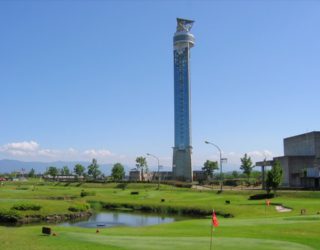
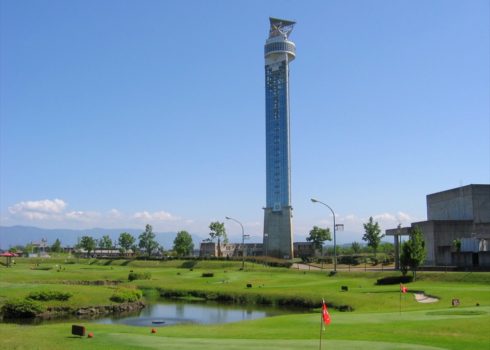
Contains the 118-meter Crossland Tower, an exchange plaza, Crossland Center, the Da Vinci Techno Museum, and Art House Oyabe. The tower offers sweeping views of the majestic Tateyama Range and scattered villages in the area.
This is a roadside station fully loaded with the charms of “eating, playing, and relaxing” in Oyabe. The local agricultural produce section sells freshly harvested vegetables and processed foods made with local agricultural goods. The facilities also include a food court and coin-operated shower stalls.
Kurikara Genpei no Sato Hanyuguchi (historical national highway information center and rest area)
Kurikara Pass has been a setting for historical events for over 1,000 years. This is an information center and rest area in the Hanyu area, the doorstep of the Toyama Prefecture side of the pass. With an exhibition zone and an information zone, you can have fun learning about the relationship between the highway and the people.
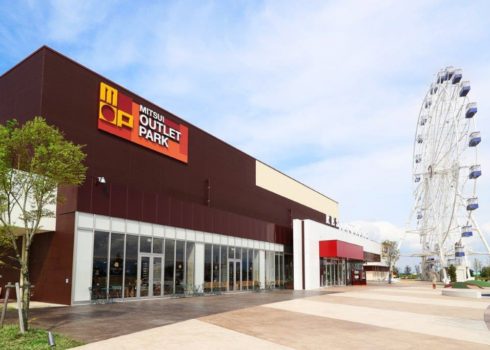
Mitsui Outlet Park Hokuriku Oyabe is the Hokuriku region’s first genuine outlet mall. Featuring a roughly 50-meter Ferris wheel that offers an unbroken view of the Tonami Plain, and a pop jet water fountain super popular with kids, this facility has much more than shopping. It is a place to enjoy the entire day with your whole family.
This is the birthplace of the late industrialist brothers Yonetaro and Takejiro Otani, honorary citizens of Oyabe. This house was rebuilt by Yonetaro in 1935 and is now used as a facility. There are materials showing how common people of that time lived, along with a commemorative room honoring the people of the Otani family.
This facility exhibits wooden items for which preservation is complete, from among the artifacts unearthed at Oyabe’s Sakuramachi archaeological site. The iron sword unearthed from the Wakamiya ancient burial mound is also a must-see.
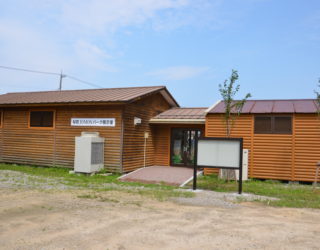
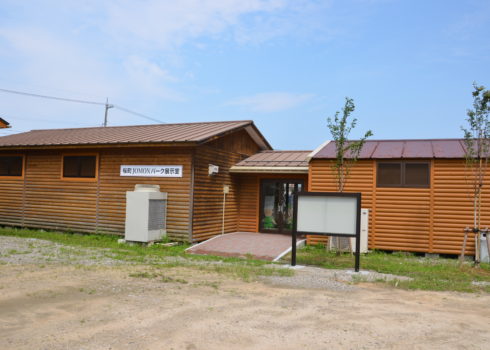
Sakuramachi JOMON Park is a hands-on learning facility offering familiarity with the sophisticated machining techniques of the Jomon people. Experience the lifestyle of the Jomon people as understood from the artifacts discovered at the Jomon period Sakuramachi archaeological site.
Address
1716-1 Sakura-machi, Oyabe
Opening hours
9:00 to 16:30
Closing day
Mondays (weekday after holidays or substitute holidays) and winter season (12/1 to end of February)
Phone number
0766-67-5255
*During the winter season, contact the Oyabe Board of Education Culture and Sports Division. (0766-53-5854
Inabayama Fureai Petting Zoo, located at the summit of Mount Inaba, raises rabbits, squirrels, goats, and other animals. On holidays, large numbers of young families come by to interact with the animals.
[Closed] Mondays (or next day, if a holiday)
*Depending on the weather and the animals’ health, interactive activities with the animals are subject to cancellation.
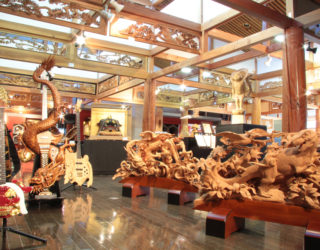
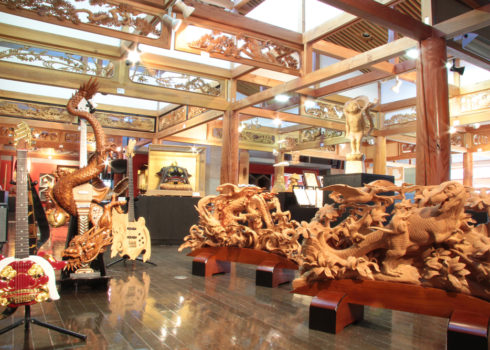
This hall contains modern carvings and craftwork such as architectural transoms, lion masks, Tenjin figures, and other objects designated as national traditional handicrafts. The hall displays and sells about 200 pieces of the cream of Inami wood carving, which boasts a tradition of about 250 years.
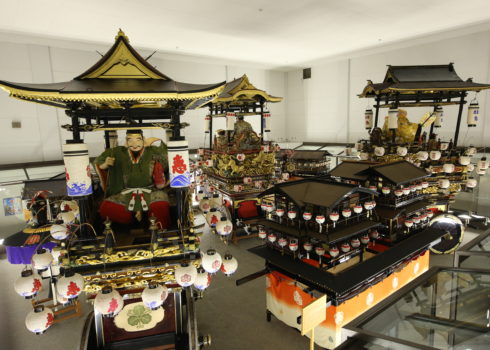
The Johana Hikiyama Festival, registered as a UNESCO intangible cultural heritage, is a refined and graceful festival in which lion dancers, tall masts, large ornamental umbrellas, portable shrines, Iori floats, and Hikiyama floats parade through the town. At Hikiyama Hall, there are permanent displays of the actual Iori and Hikiyama floats used in the festival, providing a taste of the ambience of the festival.
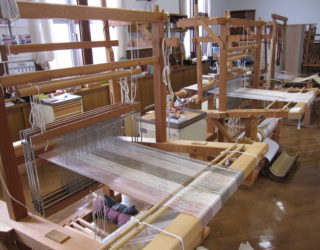
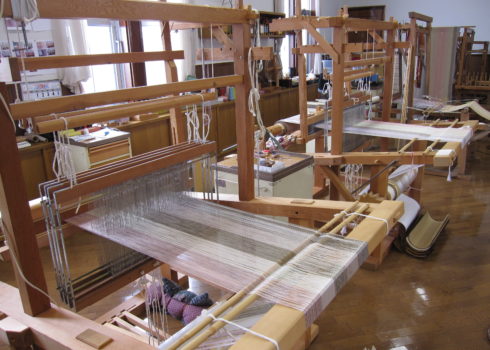
This bright, spacious hall displays looms from the past and present. Also, a variety of courses are offered for hands-on experience of weaving under the direction of an expert teacher. Goods are also made here, so you can observe weaving in progress.
Roadside Station Inami, Inami Kibori no Sato Soyukan “Create Workshop”
This workshop holds hands-on production classes for carving and other crafts that anyone can easily enjoy. Visit the website to see the details of each course. Instructors will guide you through the process with peace of mind.
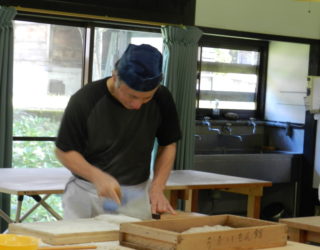
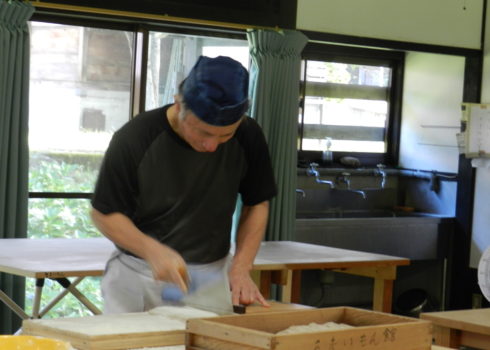
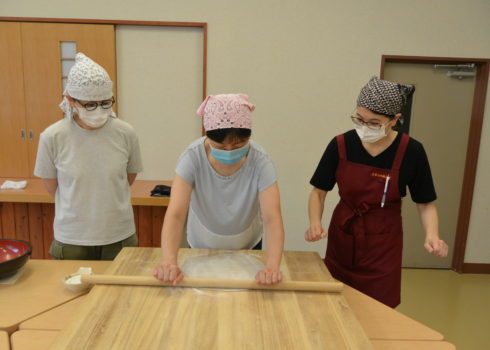
At Umaimonkan in the Soba-no-Sato, you can take our popular soba-making class. Toga soba is delicious to begin with, but it’s even better when you make it yourself. Plus, the flavor of freshly made, freshly boiled soba is something special.
This facility is located in a former elementary school, where you can make your own soba and mochi. Come and enjoy yourself, surrounded by nature. Please inquire for details.
This facility presents clear displays about the once-thriving silk farming industry. Large photos are displayed, showing everything from the customs of Ainokura in the Showa period (mid-20th century) to current photos of the four seasons. Large panels give clear explanations of the World Heritage gassho-zukuri thatched-roof buildings, from their history to their construction.
Building 1 is an actual gassho-zukuri private home that has displays of utensils used in daily life in Gokayama in the Edo period. Walk around in the attic to see the gassho-zukuri frame structure up close. Building 2 has displays of tools of the three main industries of Gokayama during the Edo period: saltpeter, silk farming, and washi papermaking.
In the Kaga Domain era, producing saltpeter as an ingredient for gunpowder was the biggest industry in Gokayama for 300 years. Ensho no Yakata introduces the tools of that period and the whole process from gathering materials to making and shipping the saltpeter.
Address
134 Suganuma, Nanto (Ensho no Yakata) >Google Maps
Phone number
0763-67-3262
Opening hours
April to November, 9:00 to 16:30; December to March, 9:00 to 16:00
Gokayama Folk Hall retains the uniform, open frontage of a gassho-zukuri building, with almost no remodeling. On display are about 200 utensils for daily use that convey the image of traditional life in a mountain village. Go upstairs to see the attic construction, silkworm farming displays, and “crossing a ravine in a basket.”
Nationally Designated Important Cultural Property Murakami House
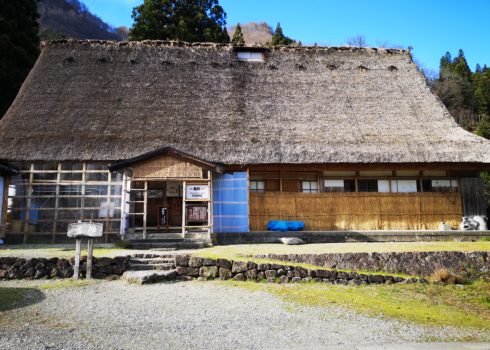
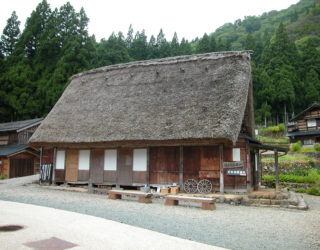
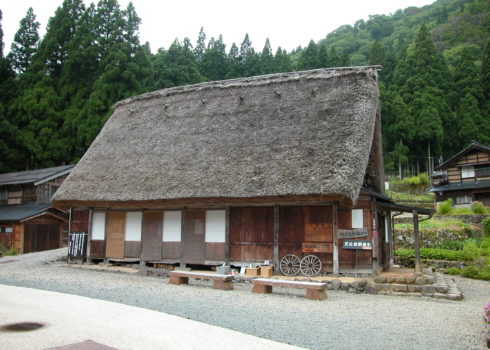
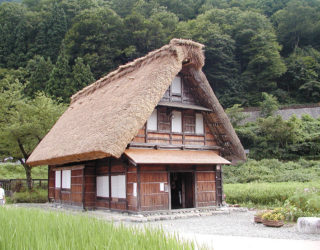
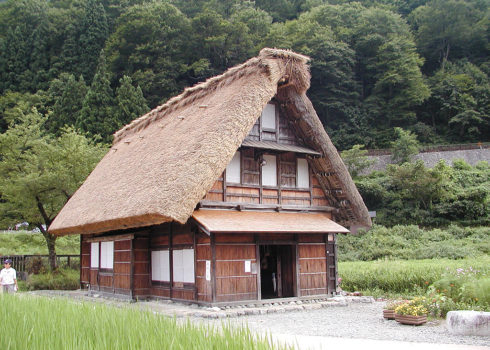
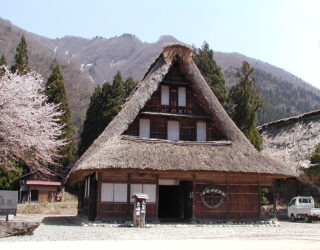
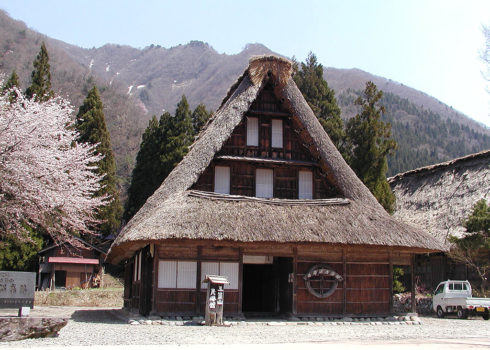
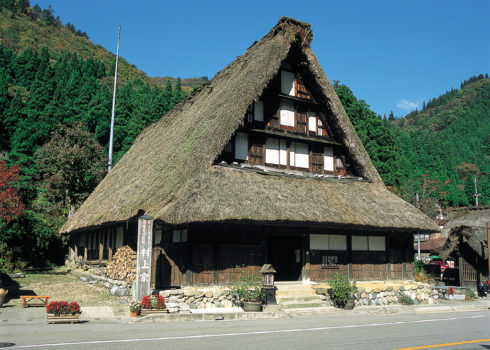
This is one of the oldest thatched-roof houses, built about 350 years ago. It is a valuable house that retains the exemplary thatched-roof architectural style of its time. It was designated a National Important Cultural Property in 1958.
Nationally Designated Important Cultural Property Iwase House
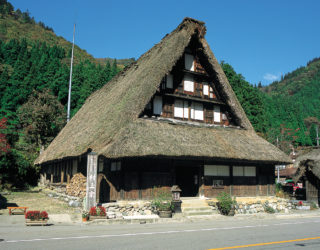
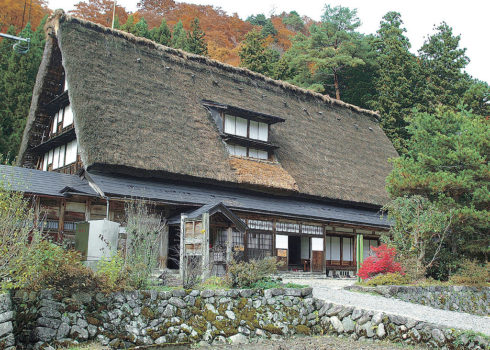
This thatched-roof house, built over a period of 8 years in the mid-1700s, is one of the largest in Japan and shows the power of the Kaga domain. Because it was an official’s house paying saltpeter to the Kaga clan, it was given special permission to be built with zelkova materials. It was designated a National Important Cultural Property in 1958.