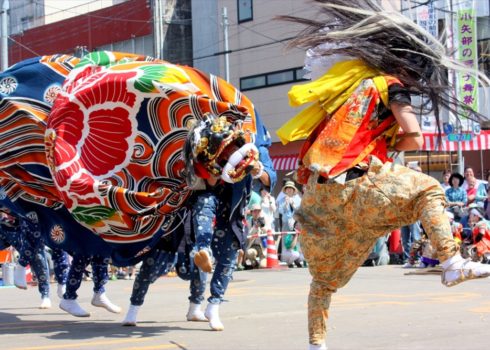
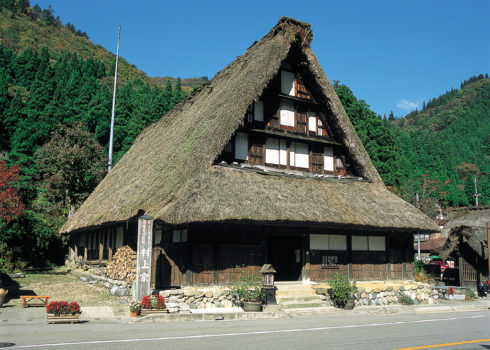
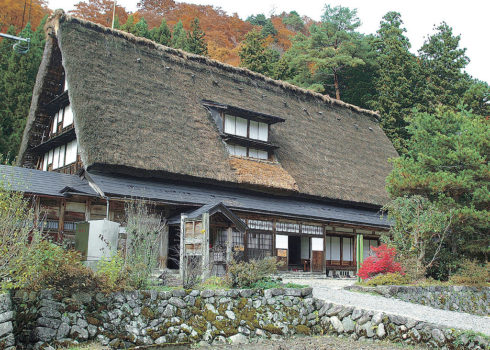
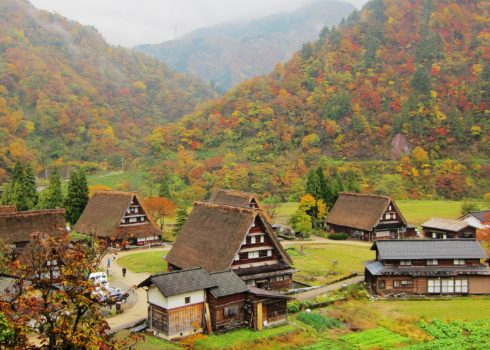
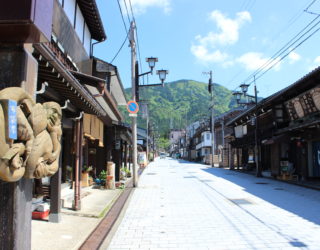
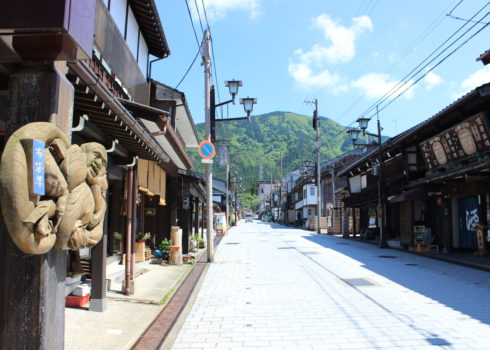
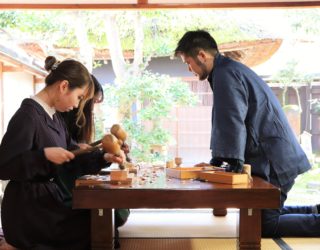
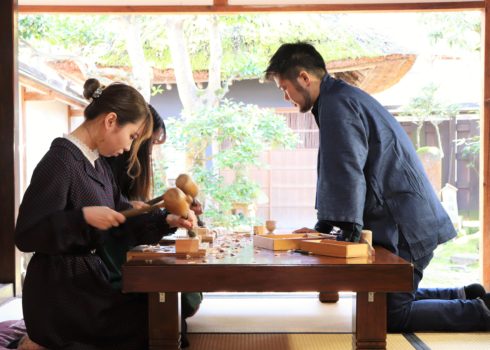
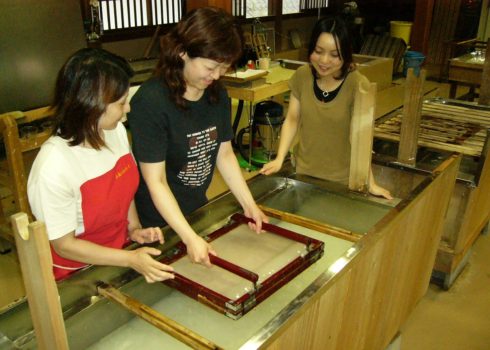
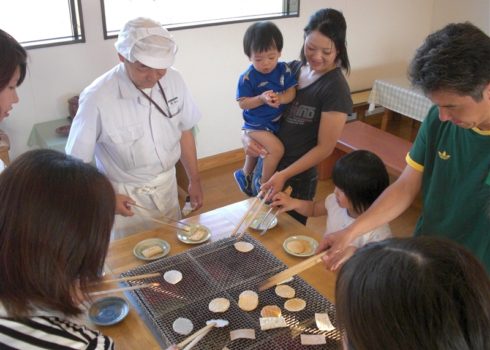
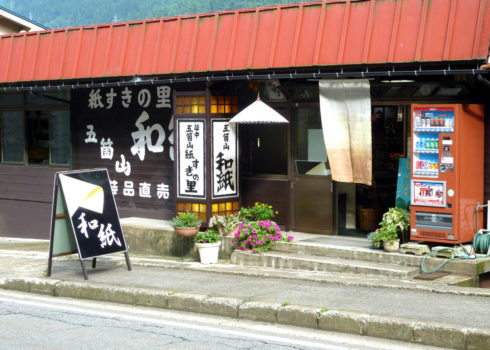
The six cities in the western region of Toyama prefecture are endowed with abundant nature and offer opportunities to experience traditional techniques.
There is also a variety of seasonal events that are held.
Please visit each city, enjoy the various charms it has to offer, and make the most of the rich history and culture.
The Tourist Information Center is immediately outside the Takaoka Station ticket gates, on the north–south pathway. In addition to tourist information about Takaoka City and pamphlets, it offers Takaoka postcards and business card blanks.
Address
6-1 Shimozekimachi, Takaoka, on the north–south pathway >Google Maps
Right in front of the ticket gate as you leave the Hokuriku Shinkansen line at Shin-Takaoka Station, we have a broad selection of Takaoka City tourism information and regional brochures. The nearby MONONO-FU gallery displays and sells traditional products and crafts of western Toyama.
Address
3012 Shimokuroda, Takaoka, inside JR Shin–Takaoka Station >Google Maps
It is the gateway to the Amaharashi coast, and Takaoka's finest scenic area. The Amaharashi coast is about a five minute walk from the Amaharashi Station.
Address
105-5 Shibuya, Takaoka, inside JR Amaharashi Station >Google Maps
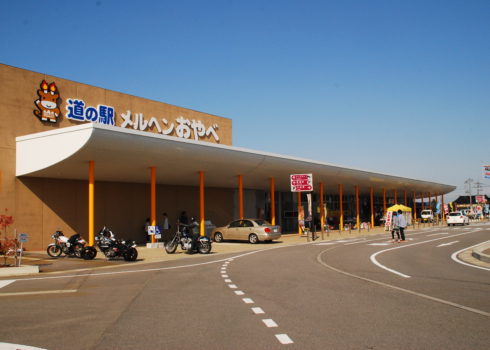
This Roadside Station faces the Amaharashi Coast. We offer a space for visitors to enjoy local food and specialty products while admiring the beautiful scenery. Parking: 4 large vehicle spaces, 34 small vehicle spaces, and 1 disability space
In addition to nationally designated tradition handicraft Takaoka copperware, we display and sell delicious confections, marine products, and other local specialties. We also offer hands-on lacquerware classes at our artisanal workshop.
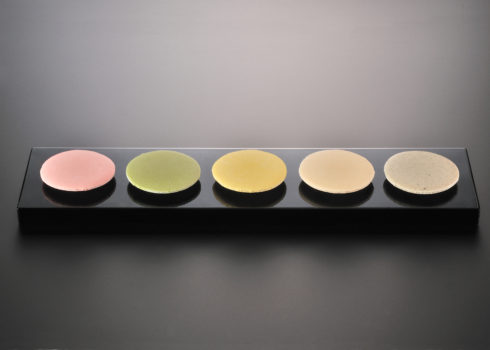
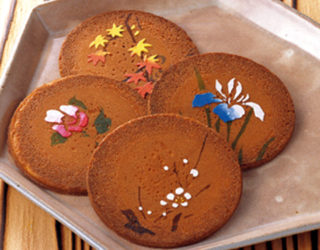
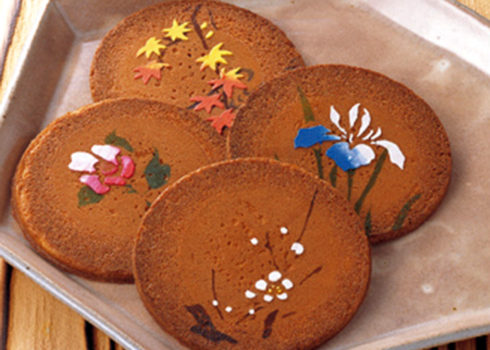
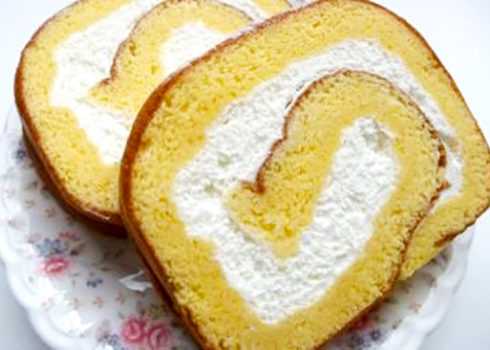
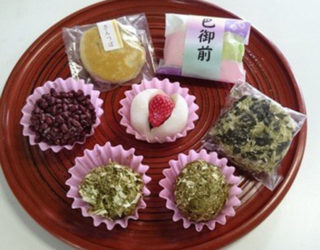
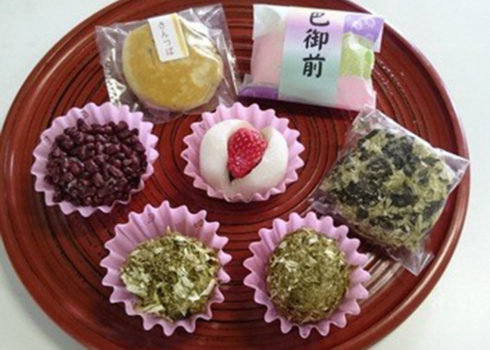
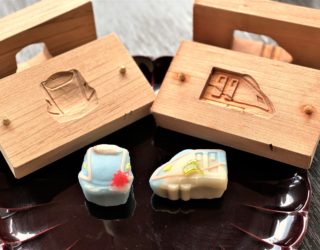
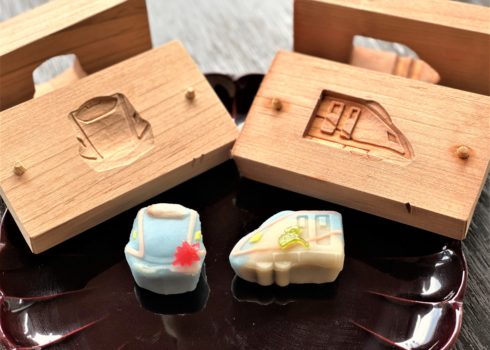
Takaoka, responsible for much of the Kaga domain’s economic activity as a city of commerce and industry since feudal times, also has a thriving tea ceremony tradition. The town is dotted with shops selling wonderfully delicious Japanese confectionary to accompany the tea.
Takaoka, responsible for much of the Kaga domain’s economic activity as a city of commerce and industry since feudal times, also has a thriving tea ceremony tradition. The town is dotted with shops selling wonderfully delicious Japanese confectionary to accompany the tea.
Details
Contact phone numbers
・Ohnoya Takaoka Kifune-machi Main Store 0766-25-0215
・Kashou Mitsuya 0766-22-2864
・Kanoko Mochi Main Store Fuwa Fukujudo 0766-25-0028
・Koshimura Hyakumido 0766-44-0623
・Edenotsuki Main Store Shinohara 0766-22-1020
・Nakao Seigetsudo Takaoka Main Store 0766-25-0514
・Wagashidokoro Hikiami Kogetsudo Fushiki Branch 0766-44-0585
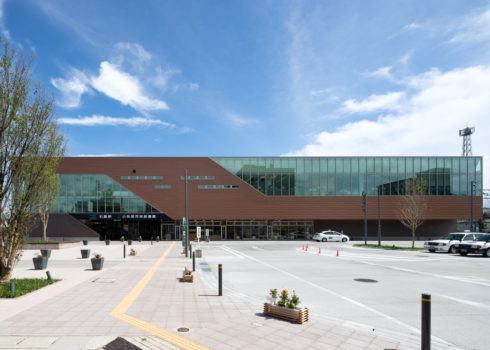
The ground floor is a public transportation node, with arrivals and departures of Man’yo Line trams and buses. The second floor is connected to Takaoka Station (elevated station), with shopping facilities featuring a lineup of souvenir items, such as Takaoka confections and traditional handicrafts.
In addition to nationally designated tradition handicraft Takaoka copperware, we display and sell delicious confections, marine products, and other local specialties. We also offer hands-on lacquerware classes at our artisanal workshop.
This Roadside Station faces the Amaharashi Coast. We offer a space for visitors to enjoy local food and specialty products while admiring the beautiful scenery. Parking: 4 large vehicle spaces, 34 small vehicle spaces, and 1 disability space
Featuring 2,000 products. We have an assortment of souvenirs from the city and the prefecture. Parking: 40 large vehicle spaces, 75 regular vehicle spaces, and 4 disability spaces
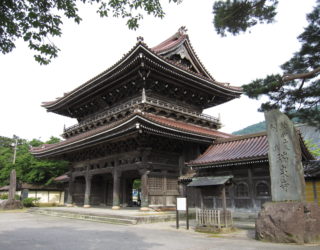
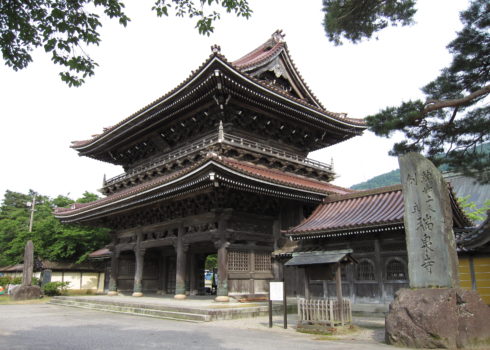
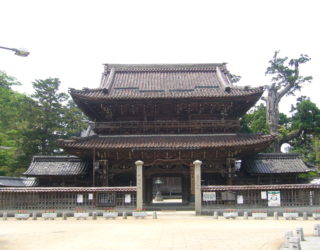
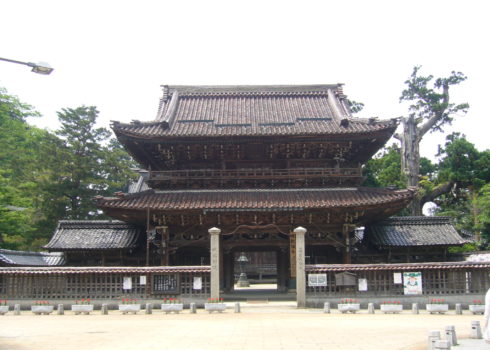
This is a famous Soto Zen Buddhist temple, popular as the official family temple of Takaoka's founder Maeda Toshinaga, the second generation head of the Kaga Maeda family. Its main temple gate, sanctum, and lecture hall are masterpieces of early modern Buddhist architecture. The temple is designated as the only national treasure in the Toyama Prefecture, and is highly regarded for its early Edo period Zen Buddhist architecture.
Adults ¥500 (¥400)/High school and junior high students ¥200 (¥150)/Elementary school students ¥100 (¥70) *Fees in parentheses are for groups of 30 people or more.
Opening hours
9:00 to 16:30 (December 10 to January 31, until 16:00)
There are only three places in the world where you can see mountains that are 3,000 m above sea level, one of which is the Amaharashi coast. Roadside Station Amaharashi is just across the way, complete with a cafe and observation deck, where you can enjoy a luxurious break while looking over extraordinary views.
The site of Takaoka Castle, built by the second generation head of the Kaga Maeda family, Maeda Toshinaga, has been inaugurated as a public park. It is a notable example of a "natural park" with minimal human intervention. The moat and earthen embankments remain as they were when the castle was built, showing the brilliant and colorful changes of each of the four seasons.
The Great Buddha of Takaoka is one of Japan’s three Great Buddhas, along with those in Nara and Kamakura. Using the best traditional copperware craftsmanship, it was made over a period of 30 years. A total of 15.85 meters tall and weighing 65 tons, its scale is stunning. The magnificent execution of this work has led it to be called Japan’s handsomest man. It remains beloved as a symbol of Takaoka, number one in Japanese copperware.
The site of Takaoka Castle, built by the second generation head of the Kaga Maeda family, Maeda Toshinaga, has been inaugurated as a public park. It is a notable example of a "natural park" with minimal human intervention. The moat and earthen embankments remain as they were when the castle was built, showing the brilliant and colorful changes of each of the four seasons.
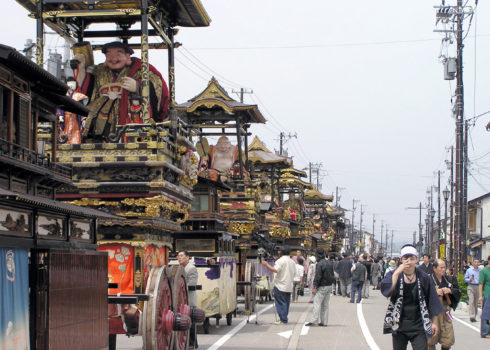
This event is the spring festival of the Takaoka Sekino Shrine, held on May 1st of every year. It is designated as both a nationally important tangible and intangible folk cultural property, an honor held by only five events nationwide. In 2016 it was inscribed on the list of UNESCO's intangible cultural heritage.
Address
Yamacho-suji and Katahara-machi areas, Takaoka >Google Maps
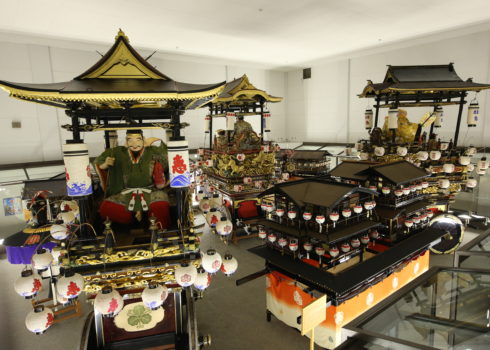
This facility has year-round exhibits of “mikurumayama,” a Nationally Important Tangible and Intangible Folk Cultural Asset, one of only five so designated in Japan. It also introduces the industrial arts techniques of “Takaoka, town of craftsmanship” that are condensed in these festival floats and the local culture that has been protected and passed down to this day through the mikurumayama. This facility also handles plans for preservation and promotion and acts as a base for walks around the various cultural heritage sites of early-modern Takaoka.
The Takaoka Local Industry Center displays and sells regional specialty products, including Takaoka copperware (designated as a national traditional craft), Inami carving, Shogawa woodturning, Etchu washi paper, and Etchu Fukuoka sedge-woven hats. In the hands-on workshops, visitors can experience the craftsmanship of metal casting and lacquerware.
This temple was the base of the Etchu Jodo Shinshu Buddhist uprisings of the Warring States period. Displaying the glory of the medieval fortress temples, it boasts of being the eighth ranking nationally designated cultural property in Japan. The seven wonders passed down at Shokoji are famous, including its ginkgo tree that never bears fruit, its stone that fell from heaven, and the pond that never runs dry.
After Asuka and Nara, there is Takaoka - the land of the Man'yoshu . As a base for people from all over Japan with a deep interest in the Man'yoshu to meet up and interact, it is the Mecca of Man'yoshu research where enthusiasts and tourists visit from all across the country.
Adults ¥300, elementary and junior high school students free
Individuals over age 65: 20% discount (¥240)
Students from special needs education schools: Free
Opening hours
9:00 to 18:00 (November to March 9:00 to 17:00)
Closing day
Tuesdays (or next day, if a holiday) and New Year’s holidays
It has an elevation of 274m. In the area centered on the Manyo Line stretching about 8.4km, which gently snakes around the mountain, there are various facilities in addition to Man'yoshu monuments and statues, with seasonal scenery and observation decks for visitors to enjoy. The area is also popular as a hiking or driving course.
This is a new sightseeing and exchange base in the Imizu Bay area.
Areas include restaurants, bouldering, and other activities. The Imizu Tourism Association is also here.
Markets and events are held from time to time. Check the website for details.
We have an assortment of many delicious and truly local products, focusing on seafood and souvenirs made with glass shrimp. With all kinds of local specialties you can’t find anywhere else, from the shop’s original products to Toyama limited lines, stop by to find something to recall your fun trip.
This rest space acts as a base for exploring Uchikawa. Inside, you’ll find displays of Shinminato Hikiyama, a small shop selling local specialties, and a cafe restaurant.
Look out over the Sea of Japan, the Kaiwomaru, the Tateyama Range, and Shinminato Bridge, and enjoy the flavors of glass shrimp, red snow crab, and other fresh seasonal seafood. We have a great assortment of souvenirs featuring freshly-caught seafood and local rural products.
The chef takes precious glass shrimp caught in the local Toyama Bay and carefully peels each one by hand to make sashimi. Relish the luxurious sweetness concentrated in these small shrimp.
Reservations are required for buses and for tours of the workstation for groups of 10 or more people
This is a directly managed shop for Shinminato kamaboko. Founded in 1940, we primarily manufacture artisanal kamaboko and kombu maki unique to Toyama. In recent years, we’ve developed products such as glass shrimp kamaboko using locally caught glass shrimp and kamaboko chips perfect for snacking.
We sell seafood products specialized in our local area to buyers from far and wide.
At this unique marina, with its diverse variety of ocean leisure activities, the clubhouse is a place to relax and a base for people who use the marina. The restaurant Sazan is also in the area.
This museum introduces the port town of Hojozu, where the Muromachi shogunate (1336–1573) took refuge during their reign in the Middle Ages, as well as developments in the surrounding plains. It also has permanent displays of the “Koju Library Archives,” including Edo-period (1603–1868) Japanese mathematics, measurements, and illustrations by Nobuyoshi Ishikuro and others, as well as works by potter Munemaro Ishiguro, a Living National Treasure.
This museum displays a great number of relief drawings by Genzo Takeuchi, a master lacquer carver who has received high praise and support. There is also a hands-on relief making course.
With approximately 10,000 picture books from Japan and around the world housed, various events, such as exhibitions of picture book originals, as well as workshops and classes for creating picture books, are held for the enjoyment of parents and children together.
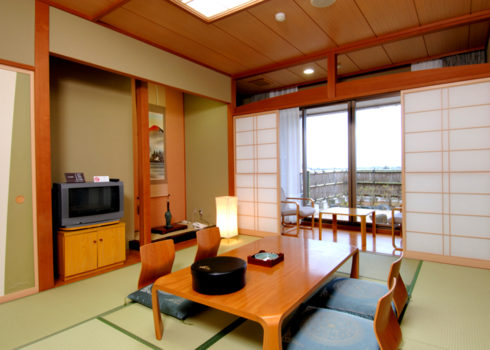
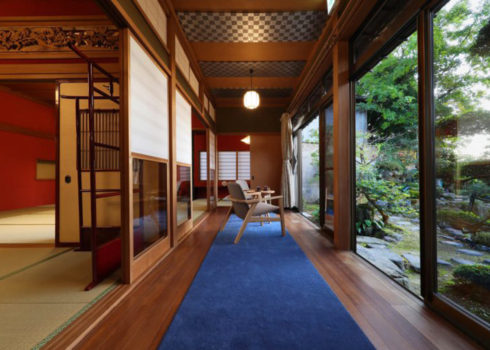
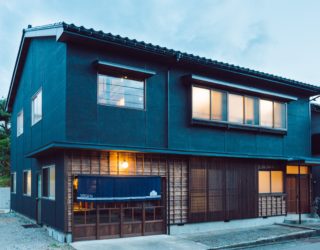
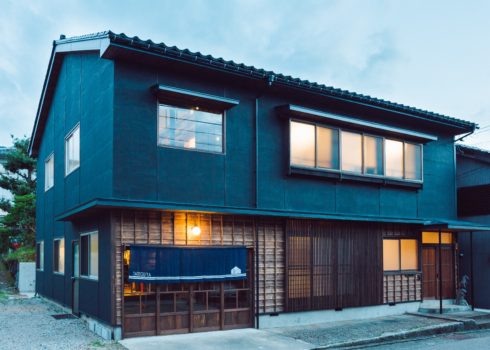
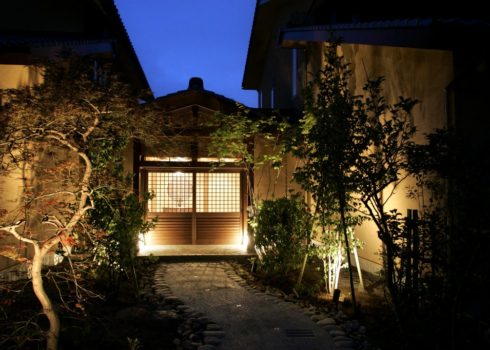
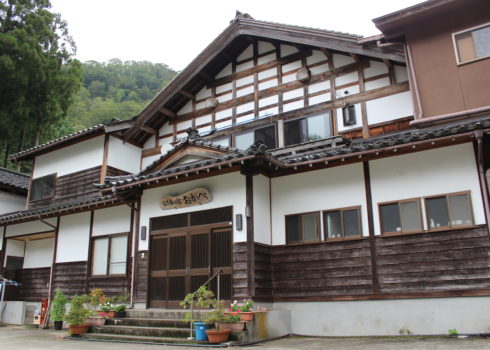
Opened in March 2019! This is a private lodging facility in a remodeled 100-year-old residence that saw its heyday as a wholesaler of cargo vessels sailing the Sea of Japan in the Edo period (1603–1868).
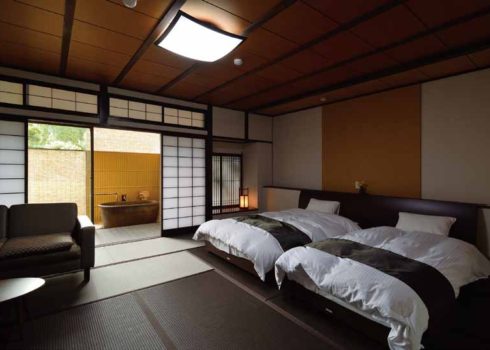
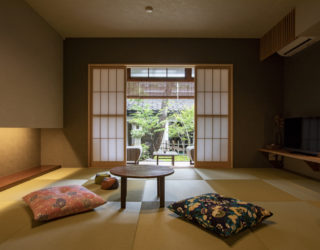
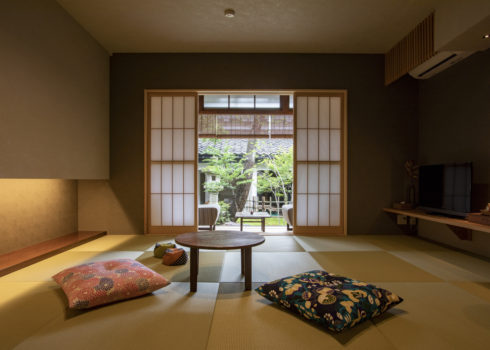
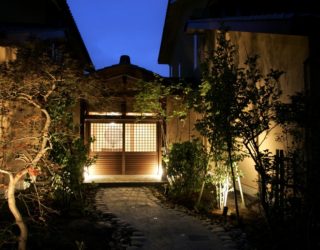
Enjoy the old-fashioned atmosphere of this traditional Japanese house.
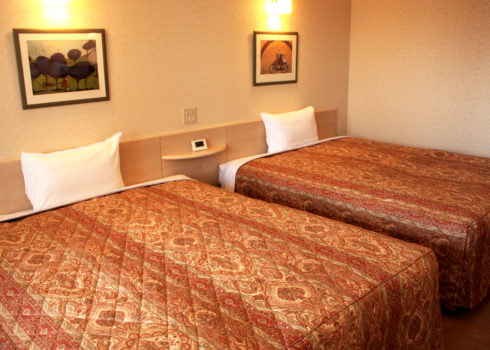
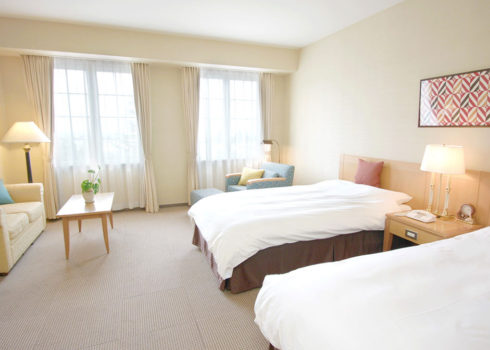
Total guest rooms: 36, capacity: 56 people
Parking lot capacity: 120 vehicles (free)
[Guest amenities]
Japanese restaurant Shiosai on the 6th floor: guests receive 10% discount on their meals
Standing alongside the Uchikawa flowing by the fishing village, this is a small hotel for exclusive use as a single unit.
Two facilities available, Kamome and Umineko
This nearly 100-year-old fisherman’s home has been renovated.
■ Capacity: Kamome 2 people, Umineko 4 people
Right in front of JR Kosugi Station!
Reopened in January 2014!!
■ Number of rooms
Single: 4
Twin: 2
Japanese style: 1
■ Accommodation capacity: About 15 people
■ Banquets: Up to about 50 people
The perfect accommodations for business travel. Stay here when visiting local businesses or on training courses. Please consult us about long-term stays. Stay for a reasonable price.
We accept budget consultations.
46 rooms, capacity 60 people
Super Hotel Toyama Imizu, Natural Onsen Higashikaze no Yu
Grand opening on Friday, December 18th, 2020! A 1-minute walk from Kosugi Station/parking lot for 69 vehicles, free parking/gender-segregated natural onsen “Higashikaze no Yu” with full facilities/welcome bar with all-you-can-drink alcoholic beverages/free breakfast with freshly baked bread and Japanese and Western buffet.
Our production process takes place here in Imizu; everything is handmade.
We primarily focus on producing and selling pressed trout sushi, as well as sasazushi (wrapped in a bamboo leaf), and all kinds of pressed sushi and catering.
We are open all year, so feel free to inquire any time.
We use the water from sponge gourds grown with pure water, free of agricultural chemicals, to make face lotions gentle on the complexion.
The beautifying ingredients unique to the sponge gourd are recommended for diaper rash in babies, alleviating the sensation of heat after a sunburn, and skincare after shaving. It’s a product the whole family can use.
From the shop you can see boats coming and going on the Uchikawa River every day. Toyama Bay is also close by.
It’s an unbeatable location. IMATO is a specialty dried foods shop that uses ingredients from Toyama Bay.
As you stroll alongside the Uchikawa, do stop by IMATO.
Founded in 1940, we primarily manufacture artisanal kamaboko and kombu maki unique to Toyama. In recent years, we’ve developed products such as glass shrimp kamaboko using locally-caught glass shrimp and kamaboko chips perfect for snacking.
Kosugiyaki Eiichikama is a Kosugi ceramics kiln that was restored by Eiichi Ikegami in 1970. We offer everything, from tea ceremony utensils, sake serving sets, tableware, and everyday goods to ceramic fine artworks. There is a studio and an exhibition room offering tours and sales, so please feel free to stop by.
Our produce has developed its beloved flavor through painstaking production methods and research and development suited to the climate.
○ Kiraraka kosui Japanese pears (late August to early September)
8 or 9 pears (2.8kg) from ¥3,000
○ Freeze-stored Kiraraka kosui Japanese pears (year-round)
2 pears from ¥2,600
Prices do not include tax
Uogen Food Industries Co. Ltd., Salt-Dried Fish Department
In addition to Nishin kombu rolls, simmered dried Pacific cod, simmered cod roe, and whelk simmered in sake, we also sell dried items like blackthroat seaperch, lightly salted to let you taste the flavor and umami of the fish, as well as local salted squid, chopped squid, and other dried foods. We can also create assortments to suit your budget.
We manufacture and sell Japanese and Western sweets, such as Karinto Manju, a sweet bun made with richly flavorful brown sugar from Hateruma and given a finish with a crunchy texture, and Toyama Rice Castella pound cake that softly melts in your mouth thanks to the distinctive Toyama Koshihikari rice flour.
We’ve passed down traditional flavors and techniques since our founding in the Edo period (1603–1868).
With our motto of “peace of mind and safety,” we have always been a part of the region.
We have used Japanese amberjack typical of Toyama to develop seasonings such as amberjack soy sauce, amberjack salt, and amberjack miso.
They are easy to use and will give your cooking an extra lift of richness and umami.
Chosen as the best in Japan five times at the Tokyo Ramen Show!
Expanding the Toyama brand to all of Japan and the world!!
☆ Recommendations
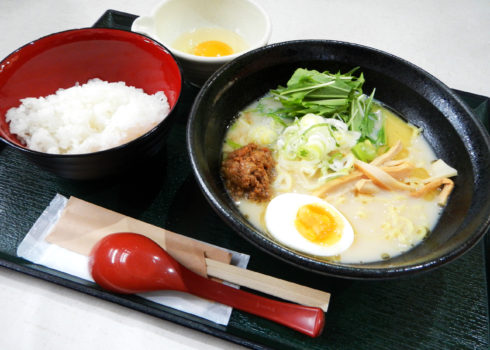
・Toyama Black: Ramen with seasoned soft-boiled egg ¥950 (incl. tax)
・Salt broth ramen with glass shrimp (with seasoned egg) ¥950 (incl. tax)
This is a cafe in an traditional house built over 70 years ago. It has an old-fashioned exterior that blends with the streetscape and a chic Japanese-style modern interior. We offer a menu made with ingredients free from preservatives and chemical seasonings wherever possible. *This is a “cafe for adults,” with no entry for children under the age of 13.
This cafe-gallery, which was used as a filming location for the movie Jinsei no Yakusoku, was remodeled from the former small cargo vessel wholesaler Watanabe Mansion, built over 100 years ago.
The Uchikawa scenery outside the windows will make you want to take pictures before you know it.
■ Capacity 31 seats
Freshly caught! Freshly boiled!!
We use a giant pot to boil Koshi red snow crabs straight out of Shinminato Fishing Harbor.
Eat whole, freshly boiled crabs to your heart’s content ♪
This restaurant offers primarily Japanese cuisine, using an abundance of seafood.
Weekday-only lunch 11:30 to 14:00
Reservation required 3 days in advance for ¥4,000, ¥5,000, and ¥6,000 set menus
■ Reservation required
■ Chairs throughout the restaurant, total 5 rooms small, medium, and large
■ Fully equipped with elevator
Enjoy your meal while looking out at the flowing waterfall and carp pond in our Japanese garden.
We handle all kinds of requests, including engagement gifts, memorial services, and all kinds of parties, catering, and bento lunches.
Capacity: 100 people (all private rooms)
Reservation required
We offer sushi made with the freshest ingredients, Shinminato Fishing Harbor seafood selected with skillful discernment and prepared quickly, all for a reasonable price. You’ll be completely satisfied with our carefully selected ingredients, skillful sushi-making, and hospitality from the heart, without a doubt. You’ll be treated to a meal of bliss.
Look out at the sailing ship Kaiwomaru and the silvery, sparkling Tateyama range as you enjoy plentiful, nourishing cuisine, made with seafood caught in Shinminato, including fresh glass shrimp, sea bream, red snow crab, and Pacific cod.
There are three Hikiyama Festivals: Ebie (Autumnal Equinox), Shinminato (10/1), and Daimon (the day before Health and Sports Day).
Come see the magnificent Imizu Hikiyama floats, including at the nationally registered Important Intangible Folk Cultural Asset Shinminato Hikiyama festival, when 13 Hikiyama floats, the largest number in the prefecture, are paraded through the town.
Uchikawa, which prospered as a stopover for the cargo ships that once sailed the Japan Sea, is a rare river that connects sea to sea.
Traditional homes line the sides of the river, and on both banks, fishing boats are moored in rows, depicting a scene that somehow evokes the image of old Japan. We recommend that you take a sightseeing boat to see the bridges or go for a walk in this area.
Why not wear an antique kimono as you stroll the streets of Uchikawa that are redolent with a heady atmosphere? Find one you like from among our collection of over 100 kimono, and we’ll dress you in just 10 minutes. It’s no problem to show up empty-handed, so even tourists wandering through can use this service!
At Shinminato Fishing Harbor near the fishing grounds, auctions are held in the early morning and again at 1:00 pm. The 1:00 pm auction is called the “Nadoki Auction,” where the red snow crabs being auctioned off look like a red carpet spread out across the entire surface of the floor. (Reservation required)
The Kaiwomaru, called the “Lady of the Sea,” is open to the public just as it was on active duty. It is right next to the observation plaza and Kaiwo Bird Park. The nearby Shinminato Bridge pedestrian walkway Ainokaze Promenade offers an open-air walk at a height of 47m. It is also recognized as a “mecca for lovers.”
Kaiwomaru boarding fee: Adults (high school and older) ¥400, children (elementary and junior high school students) ¥200
*Entry to Kaiwomaru Park is free
Opening hours
Kaiwomaru Park9:00 to 17:00
Closing day
Wednesdays (closed Thursday if Wednesday is a holiday)
Under the jurisdiction of Shimogamo Shrine in Kyoto, this is the major shrine of the ancient Kuragaki demesne.
With a large number of rare folkloric events taking place here throughout the year, it is known as a setting for interacting with the gods.
From the horseback archery conducted on May 4th to the amberjack-preparing ritual and to the children’s dances, about 30 different Shinto rituals and traditional cultural events are carried out and passed down here every year.
Otomo no Yakamochi built this shrine out of fondness for the onetime Nagonoura scenery. This beautiful shrine retains the elegance of the Man’yoshu poetry collection to this day.
When the autumnal festival is held every year on October 1st, 13 Hikiyama floats are paraded through the town.
Famous from ancient times for its god of marriage, this is a shrine with a long history, with its name listed in registries of Japanese shrines. The cool, quiet space surrounded by trees is soothing.
The fire-walking ritual is conducted on September 10th, providing a stunning view of the courageous lion dancers and portable shrines crossing over the flames.
Kite enthusiasts from across the country gather here, when the wide-open sky is decorated with kites made in ingenious shapes and colors. Local neighborhood associations compete in the great kite conference, which is a powerful sight to behold.
Address
Daimon Kite Park (on the left bank of the Sho River) >Google Maps
The decoratively illuminated Kaiwomaru and numerous fireworks gorgeously adorn the summer night sky. The sea lights up bright red, looking like a mine of stars boiling up from within the water, and the crowd’s excitement transforms into shouts of joy.
Himi onsen are generally sodium chloride hot springs, known as “beautifying hot springs” for their positive effects on the skin. Enjoy a relaxed, soothing experience with delicious food from the sea and the mountains, heart-cleansing scenery, and warm onsen.
Get your fill of local specialties such as conveyor-belt sushi made with fish delivered directly from Himi Fishing Harbor, Himi udon, and Himi beef.
Also recommended for shopping for fresh seafood from Toyama Bay, processed seafood, and sweets!
There is also a natural hot spring bathing facility and an observation deck.
Himi Fishing Cultural Exchange Center (Himi Ocean Exploration Hall)
With displays of real “Etchu-style fixed shore nets,” you can have fun learning about the Himi fishing industry.
Because renovations were completed in June 2020, there is now a virtual reality (VR) theater offering stunning films and an (AR) stream available on smartphones.
Himi Aiyama Garden is a 44,000-m2 Western-style garden of flowers and greenery located in a forest on a small hill.
Enjoy a cruise through the garden and a slower pace of life in a comfortable place where the Tateyama Range, the sea, and the sky dance together in beautiful harmony.
This park was built in 1996 as a botanical garden by cultivating and showcasing primarily seaside flora from all parts of Japan. In June 2020, it was renovated and reopened as a facility open come rain or shine, with a covered “fun exhibition garden,” playground equipment, and classrooms for training.
The Showa Experience area has an old-style Japanese house and model shop reminiscent of the Showa era (mid-20th century), teeming with displays of various retro items.
In the cafe area, the jukebox plays your favorite old music, beckoning you back to the Showa era.
Himi is dotted with approximately 30 ryokans, hotels, and other accommodations, mainly local guesthouses.
Warm kindness and care along with the blessings of the mountains and seas will make your trip profoundly memorable.
Enjoy Himi Onsenkyo, a popular hot spring location known for its aesthetic waters.
Himi sardines are listed in the Kojien dictionary as dried sardines, primarily made using Japanese sardines.
Dried sardines that are processed immediately after being caught, at the peak of their freshness, have a springy texture and outstanding flavor, color, and gloss.
Founded in 1872. The first generation owner, Riemon, saw the beautiful sunrise from the Sea of Japan behind the brewery and was moved by its energy. He decided to name the sake “Ariiso Akebono” (Sunrise on the Shore). Ever since, we have continued to brew sake in pursuit of the significance of local sake and are devoted to making sake that suits the local cuisine and food culture.
As a domain, we make wine with dedication to 100% in-house cultivation and fermentation. We also offer multicourse meals and sweets featuring fresh ingredients cultivated right here that pair well with wine. We sell both wine and homemade jams.
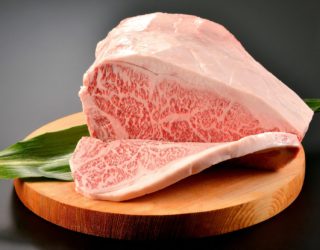
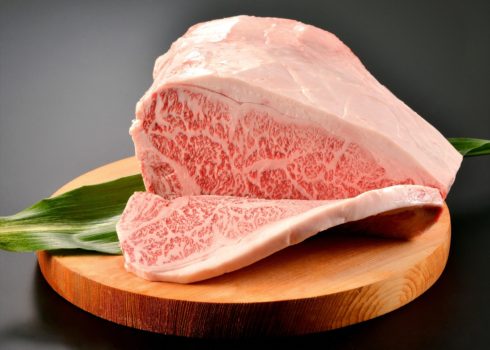
Himi beef is grown with clean spring water in the mountainous parts of Himi, raised with cattle-raising techniques developed over long years. This high-quality Japanese black beef has a total average of over 85% high-grade (A4 and above). As the production volume is low, you will want to eat this while you are here in Himi.
Winter amberjack caught in Himi dominate Toyama Bay in winter. The sashimi from these large amberjack weighing around 10 kg, plump with stored-up fat, has the finest flavor and melts in the mouth. Winter amberjack fishing season begins around November and is in full swing around December.
When it comes to Himi, we think of “kitokito” (fresh, in the local dialect) seafood. The fish caught in the morning in fixed shore nets are immediately placed in large volumes of ice water and brought to the fish market, where they are quickly auctioned and readied for the table by lunchtime or lined up in supermarkets.
This is a food event conveying Himi’s food culture.
Inns, Japanese restaurants, and sushi restaurants in the city use a variety of seasonal ingredients to offer a “Himi Sanmai Meal” for a limited time only as part of their weekday special menu.
Himi udon is made using hand-pulling methods said to have been passed down from the Edo period to the present day.
With a slippery and springy texture, these noodles have many ardent fans.
They are delicious regardless of whether they are served cold or in a steaming pot.
Curry, the typical “street food” gourmet meal. No Himi ingredient goes unused in this curry! That’s the motto for Himi curry, with each restaurant in the city creating its own unique curry menu using Himi dried sardines.
The Tateyama Range towers at approximately 3,000 meters, seeming to float in Toyama Bay. It’s all the more moving when weather conditions finally permit this rare view. Along the shoreline, a large number of photography enthusiasts and tourists gather to try to capture that scene in photographs.
Address
7 Sakae-machi, Himi (Himinoe Park address) >Google Maps
The magical view of the morning sun gradually showing its face from behind the Tateyama Range, dyeing everything around it orange, will take your breath away. Enjoy a luxurious morning. Recognized as one of Japan’s top 100 sunrises. In early summer, the red rising sun resembles a daruma doll.
Address
7 Sakae-machi, Himi (Himinoe Park address) >Google Maps
Encounter monuments to the popular characters created by Fujiko Fujio A, a manga artist from Himi. Sit down next to the character on “Moguro Fukuzo’s smile bench” and have fun taking commemorative pictures. The Himi Shiokaze art gallery is also not to be missed, displaying many of the artist’s original works.
Address
3-4 Chuo-machi, Himi (address and below Shiokaze Gallery) >Google Maps
Phone number
0766-72-4800
Admission fee
Adults ¥200 (free entry to high school students and younger and those with certificates of disability)
This festival began when geisha, hoping for a happy marriage, would use their one holiday per year to do their hair in the “marumage” style of married women and visit Senjuji Temple to pray to Kannon.
With children, in conical hats adorned with flowers, leading the way, taiko drum floats, festival pages, portable shrines, and women wearing the marumage hairstyle parade to Senjuji Temple.
This festival for Asahi Kannon at Jonichiji Temple began in the early Edo period (1603–1868), when a rainmaking ritual succeeded in ending a major drought, and the farmers celebrated by joyfully ringing the bell at Jonichiji Temple. Since then, those who want to prove their strength ring the temple bell with an enormous, freshly cut pine log.
Approximately 300 years ago, the entire area of Himi was struck by a terrible illness. The Gion deity of the Yasaka Shrine was sent from Kyoto to heal them, and when they prayed for recovery, the people were cured of the illness. To give thanks, they restored the Gion divine spirit to the portable shrine and began the tradition of parading it through the Gozamachi area.
This 25-minute round-trip tour will let you glide across Toyama Bay, part of the “World’s Most Beautiful Bays Club” to see the Ao Castle site, Karashima Island, and fixed short nets spread throughout the sea, all against the backdrop of the Tateyama Range seen across the water. You can also feed the seagulls.
From this slightly elevated hill on the south side of the town, you can get full views of the town, the coastline, and the Tateyama Range.
It is known as a leading spot for the prefecture’s cherry trees, the flowers of which are in full bloom around April 10 every year.
Beautiful azaleas bloom in May, warming your heart.
Jonichiji Temple, at the foot of Asahiyama Park, is an ancient Shingon Buddhist temple famous for the Gongon Festival.
In the temple grounds, you’ll find a giant gingko tree, said to have been planted when the temple was built.
This gingko tree, over 1,000 years old, is a nationally designated Natural Monument.
This is the prefecture’s best swimming beach, located on the beautiful Shimao coast.
In addition to the beautiful scenery of the Tateyama Range across the water from the beach, this area is recognized by the Ministry of the Environment as one of the “Top 100 swimming beaches” for its water quality, safety, cleanliness, and facilities.
This ski resort offers sweeping views of the dispersed villages all the way to Toyama Bay. Enjoy this space year-round, with the ski slopes filling with flowers in the off-season: 200,000 daffodils in mid-to-late April and 1 million cosmos in mid-to-late October.
Tonami Health and Welfare Facility, Yuzunosato Yamabuki
This is a perfect spot for day trips, where you can relax and enjoy the views of the Shogawa River flood plain. With a restaurant inside, you can stop by to use this facility en route your travels.
This is the sightseeing base for Tonami, the town of scattered villages and tulips. In addition to flower bulbs, handkerchiefs, neckties and other tulip-related goods, this is a direct sales location with a selection of fresh local vegetables.
This is the only place in the world where tulips bloom all year-round. In addition to a museum providing information about tulips, there is a terrace with flowers blooming throughout all four seasons and a shop selling cute fripperies. We recommend relaxing in the cafe.
This facility clearly introduces the charms of the Tonami Plain’s scattered village scenery. It comprises an Information Center, Tradition Hall, Exchange Hall, and Folk Arts Hall, as well as facilities for training courses. To learn more about the dispersed village landscape, stop by here first.
“Demachi Children’s Kabuki” is a Toyama Prefecture-designated Intangible Folk Cultural Asset with over 200 years of history. This hall displays three Hikiyama floats that are actually used in the festival. Various events are held in the auditorium, which is designed like an old-fashioned theater, mainly staged traditional performing arts.
Nationally Designated Historic Landmark Masuyama Castle Site
This is one of three great mountain castles of Etchu, famous among fans of mountain castles as the one that Uesugi Kenshin attacked three times. You can enjoy various ways such as voice guidance guided by the honorary castle owner (Lord), Shota Shunputei, and a GPS-linked app.
At the Reiwagura, you can purchase Wakatsuru Brewery’s sake and specialty wine and try tastings accompanied with local snacks. At the adjacent Taishogura and Saburomaru Distillery, you can observe the distillation process free of charge. (Reservation required)
As the gateway to Shogawa Onsenkyo, Roadside Station Shogawa is an intersection of towns and people, for everyone from locals to visitors. In addition to selling local products and souvenirs, the facility includes a cafe and restaurant, popular with locals as well as tourists.
This is a “hall of fame” for traditional crafts and displays and sells traditional Shogawa woodturning masterpieces, as well as offering demonstrations and classes for Shogawa woodturning (Saturday and Sunday). The facility also acts as a tourist information center for the surrounding area and rents out bicycles.
A wide variety of products are available for sale, including Shogawa district specialty Sho River yuzu processed goods, traditional craft Shogawa woodturning products, and Toyama tourist souvenirs. There is a cafe area, and on the outdoor wooden deck, you can enjoy the Sho River clearwater onsen foot bath for free.
Listen to the murmuring Sho River and the chirping birds while enjoying the Sho River Gorge scenery, which is a delight for the senses through all four seasons, from sporting fresh green leaves to donning autumn-hued leaves, and then transforming into a winter wonderland. Take the regular round-trip sightseeing service to Omaki Onsen, returning to the harbor after a short sightseeing trip of about 25 minutes.
Experience the breezy, relaxed space of a gazebo with the warmth of wood. Enjoy daffodils in spring; grand golf tournaments and barbecue in summer; cosmos in full bloom in autumn; skiing in winter; and views of dispersed villages, the North Japan Alps, and Toyama Bay throughout the year.
The entire hotel was remodeled in spring 2019. Returning to its origins as a traditional ryokan serving meals, it has been reborn as a modern Japanese restaurant and inn, complete with the convenience of a hotel and the relaxation of a ryokan.
Three minutes by car from Tonami Interchange and two minutes on foot from Tonami Station. Convenient, with shopping and restaurants nearby. Gokayama, Kanazawa, and Toyama are only 30 minutes away by car. An ideal base for business and sightseeing!
With the peaceful Sho River and the Tonami Plain decorated with flowers and greenery right in your line of sight, and with views of the Tateyama Range in the distance, this is the ideal location. Feel the passage of the seasons while you forget the noise of the city for a peaceful getaway.
A relaxation spot surrounded by Mother Nature: Omaki Onsen Spa Garden Waen. The 100% natural hot spring bath and cuisine made with seasonal ingredients will refresh you. You can also stay in a log house to get a mountain cabin experience!
Built in 1871, this is a traditional house that has over 150 years of history. With the convenience of visiting World Heritage Site Gokayama and with the abundant natural beauty of Shogawa Gorge, you can also enjoy a farming experience, brick-oven pizza, and barbecues. Enjoy a soothing stay that lets you forget everyday life.
The entire building has tatami flooring for a comfortable feel; the open air bath is full of rustic beauty, featuring a stone bath, cypress bath, and small ceramic tub baths. Dinner is a Japanese-style banquet, and breakfast features delicious rice cooked in an iron stove.
Here you can enjoy two wellsprings with different water components, a rarity in Japan. Our popular hot spring mud therapy and salon, the first in Japan, uses the benefits of the onsen to satisfy our female customers. Offering low-calorie meals is another one of this inn’s unique specialties.
This hotel-style ryokan is located in the mountains, 15 minutes from the Toyama Tonami Interchange. This inn has both spacious rooms and multipurpose facilities, making it a popular choice for groups, training camps, and events. It also is well-connected and boasts great access to nearby tourist attractions.
Look out at an avenue of 300-year-old pine trees as you relax in the open-air bath at this inn. Savor masterful meals made with sweetfish from the clear, natural waters of the Sho River and diverse seasonal blessings from the Hokuriku mountains and sea, using sophisticated preparation techniques.
See the villages dotting the scenery and the wonderful sunset! Listen to the locusts and evening cicadas in the castle site on the hill, and enjoy delicious meals made with wild greens and sweetfish. Enjoy your stay with your loved ones at a slower pace.
The Sho River delta, with its good drainage and winter snow cover in the area, protects the underground bulbs from disease and cold. During the bulbs’ growing season, the long daylight hours help each bulb gain weight, creating high-quality bulbs with stores of energy needed for them to bloom as flowers.
Absorbing nutrients from the earth through the rich snowmelt in the Sho River water system, these onions feature not only a juicy and sweet flavor, but also a dense and rich texture. This is the largest growing region among Japan’s snow-country producing areas.
Phone number
0763-58-5831
Address
【Roadside Station Tonami “Tonamino no Sato”】
3-11 Miyazawa-cho, Tonami
These juicy, seedless Sawashi persimmons are a popular item, with the day and night temperature difference of mountain districts creating brightly colored and refreshingly sweet fruit. They are named “fukufuku” in the hope that “fuku (good fortune) will come to everyone.”
Phone number
0763-58-5831
Address
【Roadside Station Tonami “Tonamino no Sato”】
3-11 Miyazawa-cho, Tonami
As the northernmost yuzu-growing region on the Sea of Japan coast, the climate and natural features of this area, such as the cold winter wind known as the “Sho River mountain wind,” affect the fruit. When compared with yuzu from other regions, they have a rougher, noticeably bumpier surface, thick rind, and strong fragrance.
Phone number
0763-58-5831
Address
【Roadside Station Tonami “Tonamino no Sato”】
3-11 Miyazawa-cho, Tonami
The sweetfish that grow in the clear waters of the class A Sho River, containing fine quality plankton flowing out of the mountains of Hida, feature springy meat and a mouthwatering aroma when eaten. Enjoy this first-rate sweetfish at one of several restaurants lined up along the banks of the Sho River, which bustle with customers day after day during fishing season.
Regular holiday
Every Tuesday
April to October: 2nd and 4th Thursdays; November to March: Every Thursday
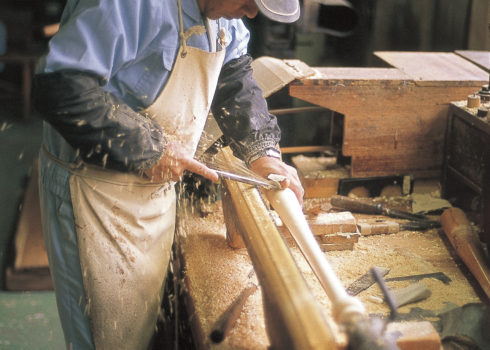
Shogawa turned wood is designated as a traditional handicraft. It began to be produced using the raw timber stocked by logging businesses in large volumes in Shogawa District starting in the Edo period. All items are made by hand by artisans and are distinguished as durable products with beautiful wood grain.
Details
【(in the Shogawa Chamber of Commerce) Shogawa Woodturning Society】
These somen noodles are hand-pulled in the Okado district of Tonami, in a tradition that has continued since the Edo period. The long noodles are rolled up and wrapped in old-fashioned washi paper for a unique look. They feature a gloss and springiness created by their cold preparation that only takes place in winter.
Phone number
0763-58-5831
Address
3-11 Miyazawa-cho, Tonami, Roadside Station Tonami “Tonamino no Sato”
Blessed with the clear streams of the Sho River and the Oyabe River, the plains in the Tonami area turn into water-filled rice paddies early in the season. The region has come to be known for its production of high-quality rice. Since this nearly basin-shaped triangle of land is covered in snow in winter and surrounded by mountains, it has a penetrating cold in winter, making it the perfect climate for making sake.
Address
3-11 Miyazawa-cho, Tonami, Roadside Station Tonami “Tonamino no Sato” >Google Maps
The local, high-quality clay and glaze make these green-glazed ceramic works unique in Japan. Each piece is created by hand, featuring a unique design that seeks “the beauty in utility” and a simple texture.
Our shop’s popular items include the famous Sho River yuzu soft serve ice cream, oyaki fried flour cakes, and “Dam Curry” unique to Sho River waterways. Inside the shop, we sell Sho River and Tonami souvenirs and specialties, and on the wooden deck outside, you can enjoy the Sho River clearwater onsen foot bath free of charge.
With a full menu featuring the blessings of the Sho River and the Tonami Plain, enjoy food as well as desserts of every cuisine, from Japanese to Western. We are also particular about our dishware, using local traditional handicrafts, such as Shogawa turned wooden dishware and Etchu Sansukeyaki ceramics. Attached to the Roadside Station, we also welcome groups.
With Japanese cuisine made with well-polished traditional techniques using seasonal Toyama ingredients and attentive consideration to detail, you’ll find hospitality distinctive to a longstanding restaurant. We have everything from economical lunch offerings to banquet-style meals and many rooms to accommodate large and small groups.
At this restaurant, the popular banquet cuisine features meat-based dishes. The chef will grill steak while you watch for our multicourse meals as well as hotpot multicourse meals such as shabu-shabu and sukiyaki. We have plenty of seating for groups large and small.
Our full menu includes set meals, noodles, special meals, and seasonal fish dishes made with freshly caught Sho River sweetfish and other fish caught in Toyama Bay. We also have generous lunch offerings, such as the “Chef’s Choice Set Meal,” “Seafood Rice Bowl,” and “Pork Fried with Ginger.”
At this cafe inside the Tonami Tulip Gallery, our recommendation is the tulip soft serve ice cream, which is only available here. Our specialty menu is fun to choose from, featuring serious cuisine and original cooking.
Phone number
0763-33-0770
Adress
100-1 Nakamura, Tonami, inside the Tonami Tulip Gallery
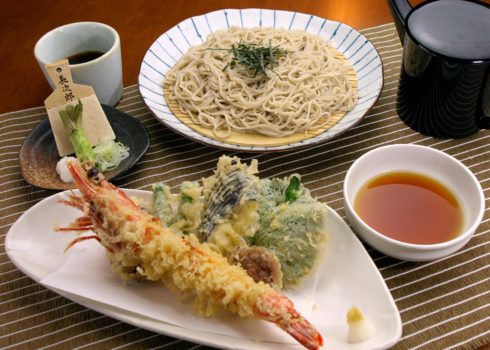
This shop is located in a renovated traditional house that belonged to successive generations of storehouse guards at Masuyama Castle. Our 100% soba is made for you with 100% local buckwheat flour and a focus on the “3 types of freshness” (freshly ground, freshly kneaded, and freshly boiled). It features a unique springy texture and slender shape. Our menu items made with locally grown vegetables are also popular.
Our soba noodles are our pride and joy; they are aromatic and made with 100% locally-grown buckwheat flour. Dedicated to “freshly ground, freshly kneaded, and freshly boiled,” this shop is primarily run by local volunteers. Only open on Sundays at lunchtime.
Our homestyle cooking is delicious, and our dishes using edible wild plants are also popular. Connected to the ski resort, the restaurant offers meals eaten while taking in the snowy landscape in winter, water lilies in spring, and cosmos flowers in autumn. There is also an observation facility nearby for unbroken views of the Tonami Plain scenery and its dispersed villages.
At Steakhouse Promenade Momiji, adjacent to Roadside Station Tonami, you can enjoy an authentic steak grilled right in front of you by the chef in a restaurant with jazz music playing.
The dishes are made by the owner, and the utensils are custom-made. Enjoy our garlic rice made with local rice and kombu, and a nice selection of wine.
In the afternoons, we offer a lunch menu, including meatloaf.
Address
3-9 Miyazawa-cho, Tonami (inside Roadside Station Tonami) >Google Maps
Phone number
0763-23-4388
Business hours
(Lunch)11:00 to 14:30 (last order 14:00)
(Dinner) 17:30 to 21:00 (last order 20:00)*Reservation required
Regular holiday
Every Monday and 2nd Tuesdays
Closed the following day when open for a holiday
(Closed for lunch on Mondays and Tuesdays)
Traditional folk cooking has been handed down in the Tonami Plain since olden times, and we offer the same using an “azumadachi,” a traditional Tonami house, built in the rural landscape in 1897. The dishes we use include precious Wajima lacquerware. We have plenty of seating for groups large and small.
Wakatsuru Taishogura and Saburomaru Distillery Tour
Sake has been made at Taishogura since 1922, where the stucco walls and brick chimney will give you a sense of the history of the famous “Wakatsuru” sake. Saburomaru Distillery is the only whiskey distillery in Hokuriku. Here you can get a sense of the process whereby the malt cultivated by the natural features of Tonami is reborn as unblended whiskey.
Try ceramics classes at Etchu Sansukeyaki Pottery, with its over 150 years of history. The patient instruction will set even novices at ease. You can also have a genuine experience using a potter’s wheel to create a one-of-a-kind, original piece of ceramics.
This scenic spot offers sweeping views of the dispersed village; on clear days, you can even see the Tateyama Range and the Sea of Japan off in the distance. Around early May, the setting sun reflected in the water-filled rice paddies and the night views are popular. The observation plaza has a fully maintained parking lot for large vehicles.
On display here are three Hikiyama festival floats from “Demachi Children’s Kabuki,” a Toyama Prefecture designated Folk Cultural Asset. Various events are held in the auditorium, which is designed like an old-fashioned theater, stagingmainly traditional performing arts.
This is the only place in the world where tulips bloom all year-round. In addition to a museum providing information about tulips, there is a terrace with flowers blooming throughout all four seasons, a multipurpose auditorium, and a shop selling cute fripperies.
Listen to the murmuring Sho River and the chirping birds while enjoying the Sho River Gorge scenery, which is a delight for the senses through all four seasons, from sporting fresh green leaves to donning autumn-hued leaves, and then transforming into a winter wonderland. Take the regular round-trip sightseeing service to Omaki Onsen, returning to the harbor after a short sightseeing trip of about 25 minutes.
This is one of the largest tulip festivals in Japan, with over 3 million flowers blooming in their full glory. In a normal year, about 300,000 people visit from Japan and overseas. Enjoy the extraordinary experience of being engulfed in countless tulips.
Toyama Yotaka Festival/Sho River Sightseeing Festival
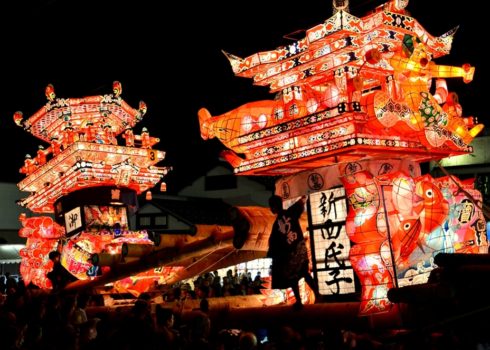
The Yotaka Lantern Festival remains a tradition of the Tonami Plain. Originating as a rice paddy festival praying for abundant crops, it adds vivid color to the town in early summer. The festival reaches its climax with the feverish spectacle of paper lantern floats crashing into one another.
Address
Downtown Tonami/entire Sho River district
Opening hours
Tonami Yotaka Festival: 2nd Friday and Saturday in June
Sho River Sightseeing Festival: 1st Saturday and Sunday in June
Taking place at the Suisei Botanical Gardens, one of Hokuriku’s largest iris gardens and a nationally distinguished park noted for its uniquely beautiful landscape gardening, the festival is focused on 700,000 irises of 600 different varieties, as well as on water lilies and hydrangeas that bloom over an extensive area of 6 ha.
The Sho River Water Festival, one celebrating the blessings of the Sho River, is an event unlike any other in Japan. In olden days, the Sho River district was a leading transport area for timber from the mountains (log chutes). The festival features events unusual in Japan that recreate timber transport work, such as the “Log-Riding Championship.”
The contrast between the pink cosmos flowers seeming to fill the entire ski slope and the perfectly clear blue sky is a sight to behold. Take the lift to the summit to get sweeping views of the dispersed village landscape and to see a panorama of the Sea of Japan and the Tateyama Range.
In winter, the Tonami Tulip Park displays “flowers of light” in full bloom. About 100,000 light bulbs create this illumination display in the Tulip Tower and other spots, thereby beautifully lighting up the park and the entire surrounding area.
This is a natural onsen produced by Mother Nature in Oyabe. Relax and spend the whole day here, with a large public bath, a stone sauna, family baths, and a restaurant among the facilities available.
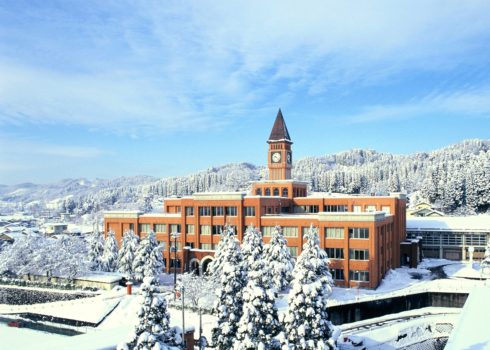
Isurugi Station is Oyabe’s main railway station. The station building also includes Oyabe City Library and the Tourist Information Center. The walls of the pathway are lined with local Japanese cedar wood, and the exterior of the building features a brick styling emblematic of Marchen fairytale architecture.
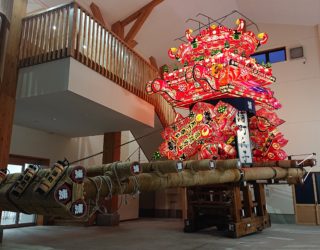
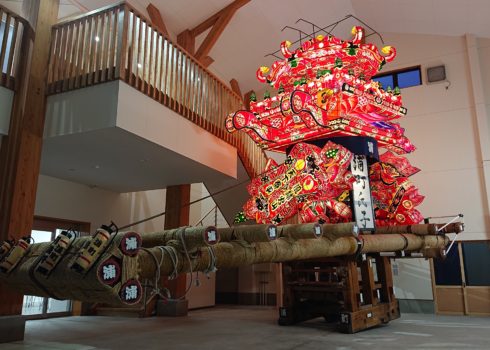
Tsuzawa Andon Fureai Hall is a sightseeing facility that lets visitors enjoy the charm of the Tsuzawa Yotaka Andon Festival all year round. In addition to a roughly 7 m tall lantern float on permanent display, the facility is equipped with meeting rooms, and offers Dengaku paper lantern painting lessons on a regular basis.
*There is a fee payable to use the meeting rooms, etc.
*See the website for details.
Opening hours
[Andon Exhibition Room]
9:00 am to 5:00 pm
[Multipurpose rooms, classrooms, training rooms, and meeting rooms]
9:00 am to 9:00 pm *During some time slots, there are no permanent staff members.
Closing day
Mondays (or next day, if a holiday), New Year’s holidays (12/29 to 1/3)
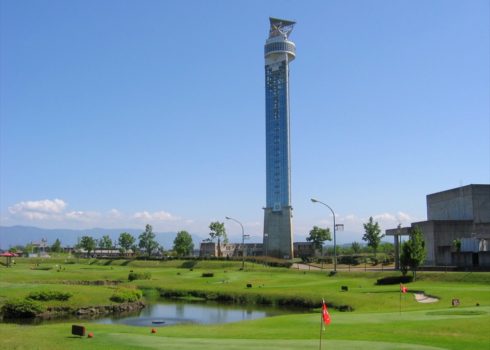
Contains the 118-meter Crossland Tower, an exchange plaza, Crossland Center, the Da Vinci Techno Museum, and Art House Oyabe. The tower offers sweeping views of the majestic Tateyama Range and scattered villages in the area.
This is a roadside station fully loaded with the charms of “eating, playing, and relaxing” in Oyabe. The local agricultural produce section sells freshly harvested vegetables and processed foods made with local agricultural goods. The facilities also include a food court and coin-operated shower stalls.
Kurikara Genpei no Sato Hanyuguchi (historical national highway information center and rest area)
Kurikara Pass has been a setting for historical events for over 1,000 years. This is an information center and rest area in the Hanyu area, the doorstep of the Toyama Prefecture side of the pass. With an exhibition zone and an information zone, you can have fun learning about the relationship between the highway and the people.
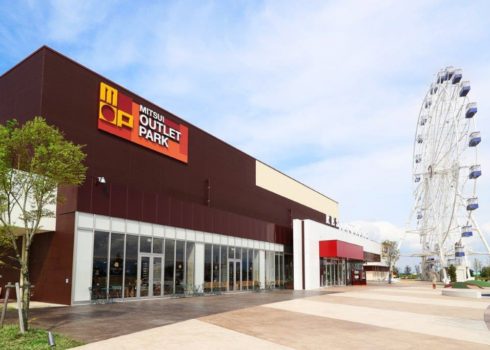
Mitsui Outlet Park Hokuriku Oyabe is the Hokuriku region’s first genuine outlet mall. Featuring a roughly 50-meter Ferris wheel that offers an unbroken view of the Tonami Plain, and a pop jet water fountain super popular with kids, this facility has much more than shopping. It is a place to enjoy the entire day with your whole family.
This is the birthplace of the late industrialist brothers Yonetaro and Takejiro Otani, honorary citizens of Oyabe. This house was rebuilt by Yonetaro in 1935 and is now used as a facility. There are materials showing how common people of that time lived, along with a commemorative room honoring the people of the Otani family.
This facility exhibits wooden items for which preservation is complete, from among the artifacts unearthed at Oyabe’s Sakuramachi archaeological site. The iron sword unearthed from the Wakamiya ancient burial mound is also a must-see.
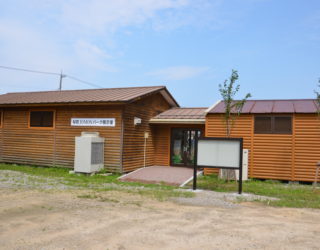
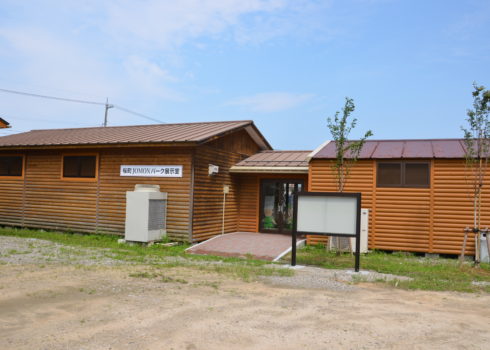
Sakuramachi JOMON Park is a hands-on learning facility offering familiarity with the sophisticated machining techniques of the Jomon people. Experience the lifestyle of the Jomon people as understood from the artifacts discovered at the Jomon period Sakuramachi archaeological site.
Address
1716-1 Sakura-machi, Oyabe
Opening hours
9:00 to 16:30
Closing day
Mondays (weekday after holidays or substitute holidays) and winter season (12/1 to end of February)
Phone number
0766-67-5255
*During the winter season, contact the Oyabe Board of Education Culture and Sports Division. (0766-53-5854
Inabayama Fureai Petting Zoo, located at the summit of Mount Inaba, raises rabbits, squirrels, goats, and other animals. On holidays, large numbers of young families come by to interact with the animals.
[Closed] Mondays (or next day, if a holiday)
*Depending on the weather and the animals’ health, interactive activities with the animals are subject to cancellation.
Enjoy a carefree few moments by the side of a waterfall. Our natural onsen boasts an abundant quantity of water and a soft texture. Your body and soul will melt in the gracefully rising steam.
Adjacent to Crossland Oyabe, our accommodations are sought after not only for sightseeing but also for business trips by our guests from within and outside the prefecture. With fresh seasonal Toyama ingredients selected with a discerning eye, our party plan meals are created by the sure skills of our head chef and are very popular.
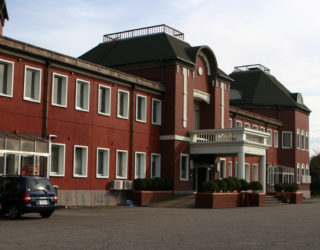
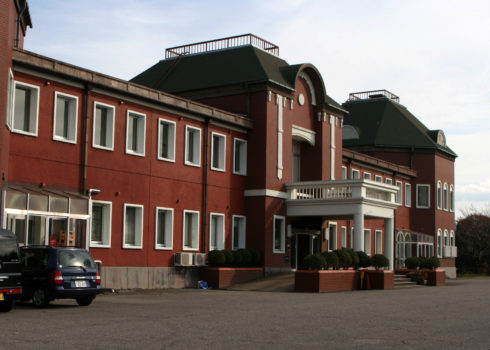
This public lodging facility, established so that young people could have safe, comfortable, and economical trips, features an exterior modeled after the Renaissance-style Tokyo Station.
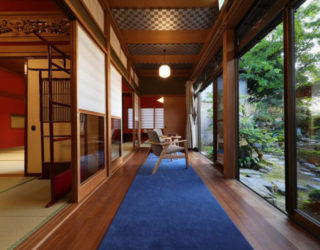
We renovated a long-disused house into a lodging facility, keeping the Inami-carved transoms and walls painted with red lacquer. Savor traditional Japan to the fullest here, with the koi pond in the garden and the maple trees displaying the beauty of all four seasons.
This is an American-style inn, with no meal service. At this roadside lodging optimal for car trips, a family of four can rent a room starting at ¥10,000. We support simple and free journeys and lifestyles.
“Inaba Marchen Beef” is Japanese Black beef produced on the Mt. Inaba ranch in northern Oyabe City.
This marbled meat featuring umami-laden high-quality fat and rich red meat is certified as “Inaba Marchen Beef” if it has a yield rating of A or B and a meat quality rating of 3 or higher.
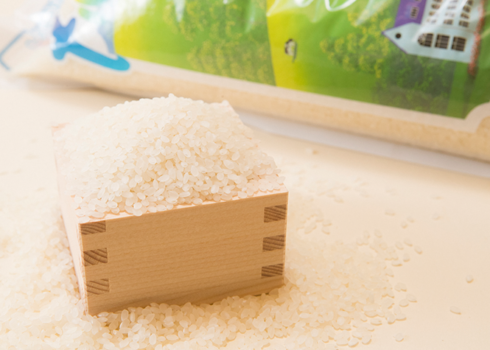
“Marchen rice” is named after Oyabe City’s nickname of “Marchen (fairy tale) town,” for its architecture modeled after famous Western-style buildings from Japan and overseas. This rice is safe, secure, and completely delicious, with carefully selected first-grade Koshihikari rice processed with agricultural process control methods.
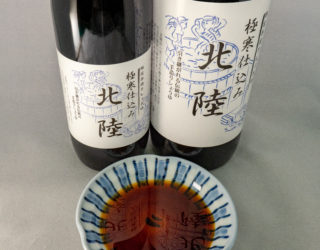
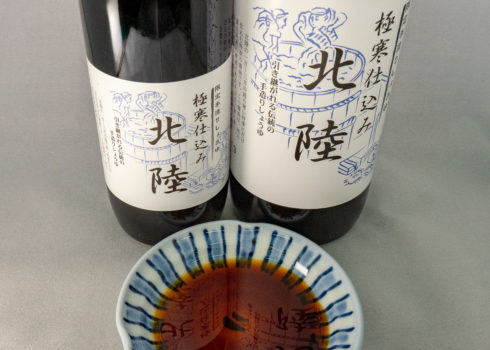
We make limited-edition handmade soy sauce using only Japanese raw materials and manufacturing methods. The traditional soy sauce manufacturing method of maturing in wooden barrels for three years is now only practiced in a few places, even in Japan. We present to you our traditional flavors cultivated by nature and our skillful manufacturing process.
This is one of the longest-standing Japanese confectionary shops in Toyama since its establishment well over 200 years ago.
Our improved usugohri rice cake “T5” was chosen among nine “world-class supreme souvenirs.”
With a lineup of about 50–60 sweets, both Japanese and Western, we meticulously make everything by hand and in small batches. Children love our Merugyu-kun-shaped dorayaki and bouchée.
We use local rice to create a lineup of 20–30 products focusing on Japanese domestic raw materials and fresh seasonal ingredients. Our famous “kombu mochi” are so popular that they sell out in the morning at roadside stations and other shops.
This is a long-standing confectionery shop that has continued to preserve traditional techniques ever since it was founded during the mid-Edo period (1603–1868). We also handle cakes and other Western confectioneries beloved by a broad spectrum of generations. Our “Tomaya no Sato” made with Oyabe Miyajima chestnuts is a masterpiece with a profoundly rich yet simple flavor.
A cafe in the afternoon and a bar at night: Tea & Bar. Our daily lunch specials are hearty yet reasonably priced. With over 200 kinds of drinks, we have plenty of variety, from alcoholic beverages to hot drinks.
Established in 1926. This Japanese restaurant gives off the feeling of the “good old days.” Each of our rooms is reserved for one party per day so that our guests can take their time and have a leisurely meal together.
(1) 11:00 to 14:30
(2) 17:30 to 20:30
*Until further notice, weekday dinner service is only available by reservation at least one day in advance. (Inquire by phone for details.)
Our signature menu features hearty Pekotto set meals that change daily and are made with fresh vegetables and fish stocked that day. Enjoy our handmade goods while you wait.
We are famous for eggs over rice, made with fresh local eggs and dashi soy sauce from a longstanding soy sauce maker. Choose from three types of eggs and soy sauce to find your own perfect flavor. Our “street food gourmet” white ramen is also a popular item.
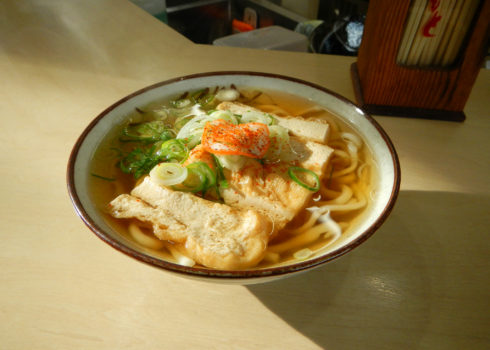
With about 50 items on our menu, our soba and udon have been popular mainstays ever since the restaurant was first opened. The wood-lined interior of the shop will warm your body and soul. We also have tatami rooms so that you can enjoy a quiet meal with your family.
This café has a cute “fairy tale chic” exterior. Our curry rice, featuring a good helping of home-grown vegetables, and our homemade cakes have been popular ever since the cafe was first opened. The warmth is like being back in your mother’s kitchen.
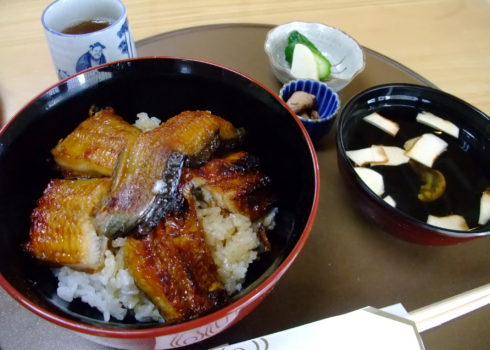
Welcome to Ogawaya, a Japanese restaurant in Oyabe. Our specialty is eel broiled in a soy-based sauce. Come enjoy authentic Kaga Japanese cooking. (Inquire by phone for details.)
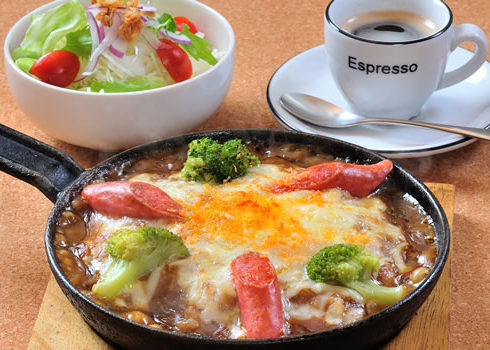
Since its founding, the popular items at this curry shop have been pork cutlet curry and omelet curry. There are six levels of spiciness for the curry. Our toasted cheese curry is also popular with female customers.
This is a Japanese restaurant in front of Isurugi Station. Every item on our menu is a masterpiece made with plenty of local ingredients and devotion to quality. A filling multicourse meal is also available.
At this Japanese restaurant, enjoy fresh seasonal ingredients carefully selected by the head chef. Savor the fruits of the Sea of Japan and of our local mountains. At the back of the building, there is also a well-loved izakaya, Shunsai Shuraku Miyoshi.
This restaurant specializes in service à la carte and tempura. With large and small private rooms and an elegantly Japanese interior, enjoy a meal made with fresh ingredients in dishes like sashimi, amberjack, and daikon cooked with soy sauce, tempura, and hotpot. [Reservations required]
At this Japanese restaurant, enjoy drinks and cuisine made with fresh seasonal ingredients. Try eel and sweetfish in summer or oysters, soft roe, and opilio crab in winter.
A small café in downtown Oyabe. The lunch menu changes every day, featuring a wide variety of Japanese and Western cuisine. The coffee is carefully hand-dripped one cup at a time.
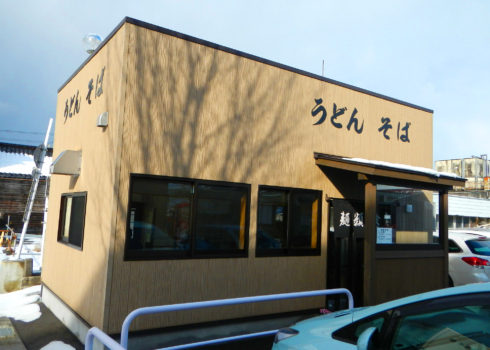
Located in front of the north entrance of Isurugi Station on the Ainokaze Toyama Railway Line. A longstanding restaurant founded over 70 years ago, it continues to charm the locals with its famous exquisite udon and soba with a full dashi flavor.
At this café in front of the station, enjoy fresh fruit sundaes, coffee, and Oyabe milkshakes. The interior has a pleasant retro ambience, where you can enjoy a tranquil visit.
Contains the 118-meter Crossland Tower, an exchange plaza, Crossland Center, the Da Vinci Techno Museum, and Art House Oyabe. The tower offers sweeping views of the majestic Tateyama Range and scattered villages in the area.
[Crossland Tower Observatory Fees]
High school students and above ¥420, elementary and junior high school students ¥210, and young children (age 3 and up) ¥100
Opening hours
[Crossland Tower hours] Weekdays 10:00 to 18:00 Weekends and holidays 10:00 to 21:00 (Entry up to 30 minutes before closing time)
Closing day
Wednesday (or next day, if a holiday), New Year’s holidays (12/29 to 1/3)
Mount Inaba is a wonderful rest spot within the city, surrounded by plentiful nature. With livestock farms and the Inabayama Fureai Petting Zoo, it bustles with families on the weekends. Get beautiful, sweeping views of scattered villages from the observation plaza, and enjoy the huge panorama of the Tateyama Range on clear days.
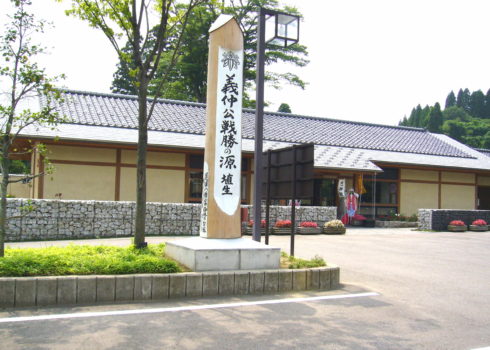
Hanyu Gokoku Hachiman Shrine is famous as the place where Kiso no Yoshinaka prayed for victory in battle, has a history that spans approximately 1,300 years, and is designated a nationally Important Cultural Property. The statue of Minamoto no Yoshinaka erected here is one of the largest horse-and-rider statues in Japan.
Miyajima Gorge overflows with legends, greenery, and mountain stream beauty, including its Ichinotaki Falls, known as a mini Niagara, as well its Ninotaki Falls, Sannotaki Falls, Ryugu Pools, Kannondaki Falls, 12 Venus statues, and Konadegawa Dam. There are also onsen where you can relax and fully enjoy nature.
Kurikara Prefectural Park (Kurikara-san Double-Flowered Cherry Blossom Festival)
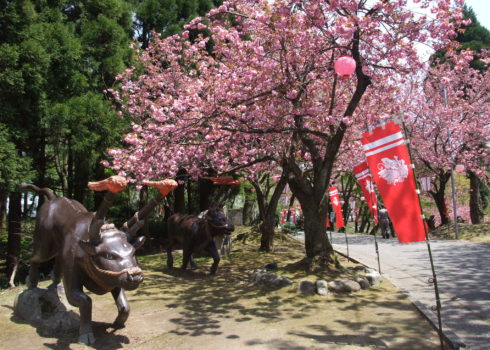
At this ancient battlefield, where Kiso no Yoshinaka fought Taira no Koremori in a battle between the Minamoto and Taira clans, Kiso tied torches to the horns of oxen and set them loose on the enemy forces, ensuring his victory. In spring, about 6,000 double-flowered cherry trees blossom in their full glory, with Kurikara Fudoji Temple at the center of it all.
The “Marchen” fairy tale architecture is a series of public facilities modeled on motifs from famous European castles and palaces. There are 34 of these buildings throughout the city, known to many people as a symbol of the region.
This is the site of Imaisurugi Castle, which belonged to Toshihide Maeda, nephew of Toshiie Maeda, who laid the foundations of the Kaga Domain and its worth of a million koku of rice. In spring, enjoy the sight of approximately 600 Yoshino cherry trees in full bloom, and in autumn, the colorful foliage.
The Isurugi Hikiyama Festival exemplifies springtime in Isurugi, which once prospered as an important location along the former Hokuriku Highway. Eleven dazzling Hanadashi floats representing the best of the Momoyama period’s fine and applied arts are accompanied by traditional music as they weave their way through the town. As the sun sets and the lanterns are lit, the town shows a different side from from what it does during daytime.
Address
Throughout the Isurugi District, Oyabe >Google Maps
Admission fee
Free
Opening hours
4/29 (holiday) 15:00 on Parade ceremony and lineup (approximate)
The Oyabe Lion Dance Festival began when the founder of Oyabe City, Toshihide Maeda, entered Imaisurugi Castle as its lord, an occasion on which the local people performed the lion dance. The lion dances that parade out of each neighborhood bring excitement wherever they arrive in the city. The children’s dance is also a must-see.
The Tsuzawa Yotaka Andon Festival is also called the “Brawling Yotaka Festival” because of its 7-meter-high, 12-meter-long floats that, with their great lanterns bedecked with images of warriors, clash into one another. Their collisions, as they try to break the other side’s float and hanging decorations, are worth seeing.
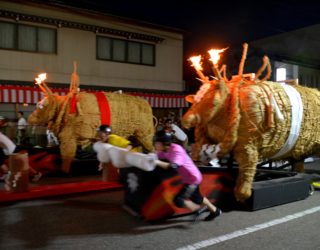
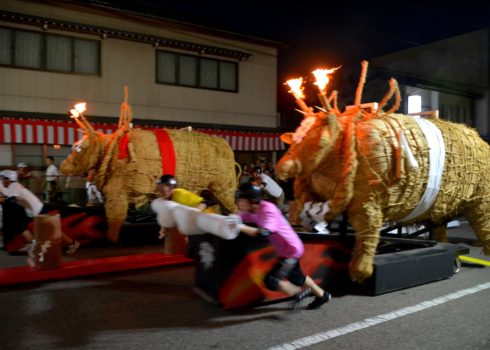
This event is named after the “fire ox plan,” the tactic used by Kiso no Yoshinaka when he defeated the Taira army at the Battle of Kurikara. The highlight is the fire ox race, when “kagyu” (fire oxen) made of about 700 kg of rice straw are pulled by teams of four people to compete for best time, which is a sight to see!
Address
Isurugi shopping arcade, Oyabe, in front of the Oyabe Chamber of Commerce >Google Maps
Admission fee
Free
Opening hours
Last Saturday in July
Phone number
0766-67-1760
(Oyabe City, Commerce and Tourism Section)
Tsuzawa Andon Fureai Hall is a sightseeing facility that lets visitors enjoy the charm of the Tsuzawa Yotaka Andon Festival all year round. In addition to a roughly 7 m tall lantern float on permanent display, the facility is equipped with meeting rooms, and offers Dengaku paper lantern painting lessons on a regular basis.
*There is a fee payable to use the meeting rooms, etc.
*See the website for details.
Opening hours
[Andon Exhibition Room]
9:00 am to 5:00 pm
[Multipurpose rooms, classrooms, training rooms, and meeting rooms]
9:00 am to 9:00 pm *During some time slots, there are no permanent staff members.
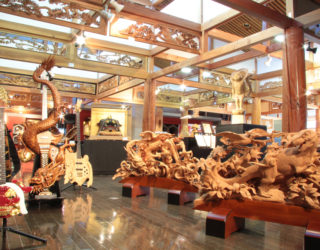
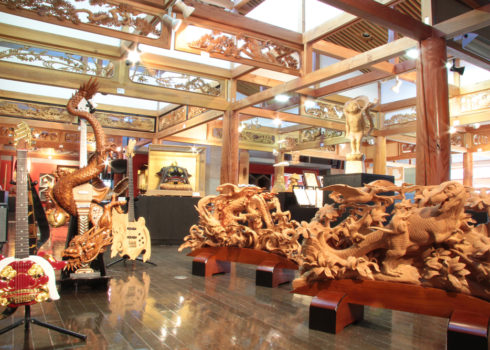
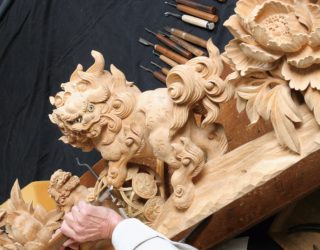
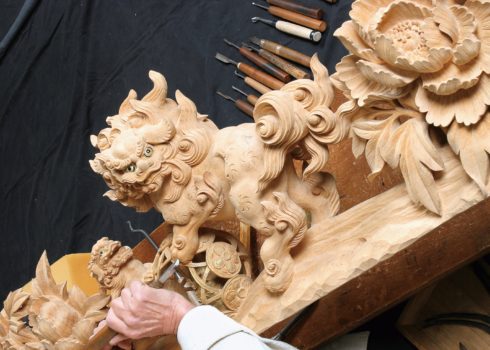
This hall contains modern carvings and craftwork such as architectural transoms, lion masks, Tenjin figures, and other objects designated as national traditional handicrafts. The hall displays and sells about 200 pieces of the cream of Inami wood carving, which boasts a tradition of about 250 years.
The Johana Hikiyama Festival, registered as a UNESCO intangible cultural heritage, is a refined and graceful festival in which lion dancers, tall masts, large ornamental umbrellas, portable shrines, Iori floats, and Hikiyama floats parade through the town. At Hikiyama Hall, there are permanent displays of the actual Iori and Hikiyama floats used in the festival, providing a taste of the ambience of the festival.
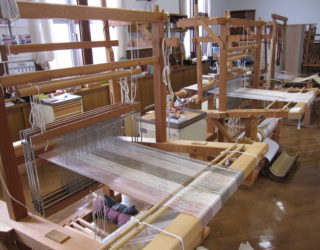
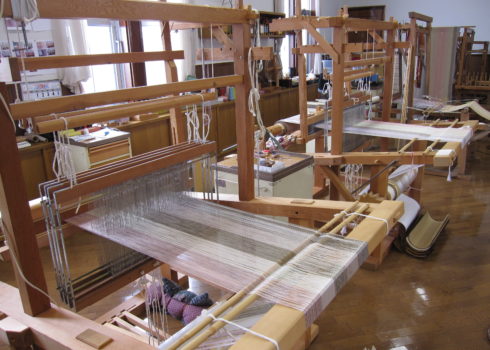
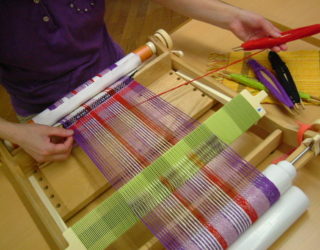
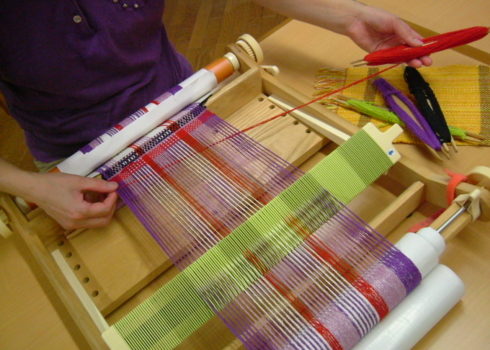
This bright, spacious hall displays looms from the past and present. Also, a variety of courses are offered for hands-on experience of weaving under the direction of an expert teacher. Goods are also made here, so you can observe weaving in progress.
Roadside Station Inami, Inami Kibori no Sato Soyukan “Create Workshop”
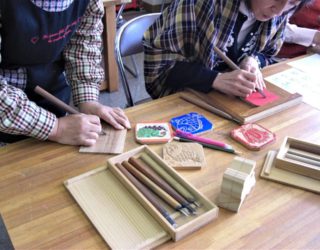
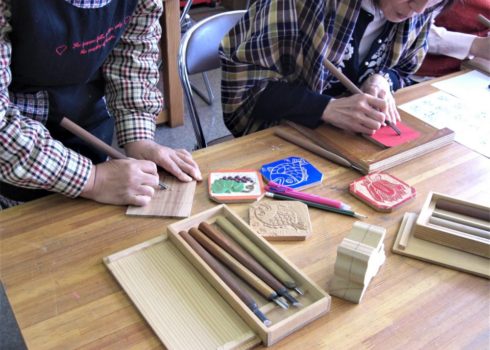
This workshop holds hands-on production classes for carving and other crafts that anyone can easily enjoy. Visit the website to see the details of each course. Instructors will guide you through the process with peace of mind.
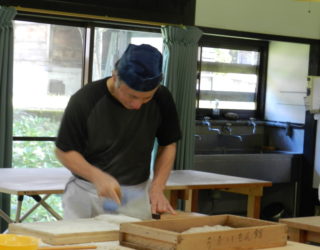
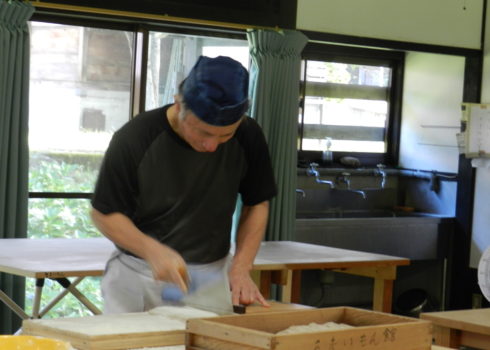
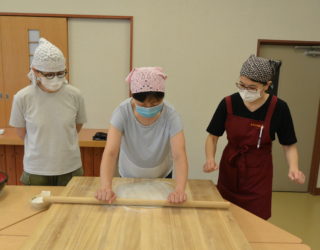
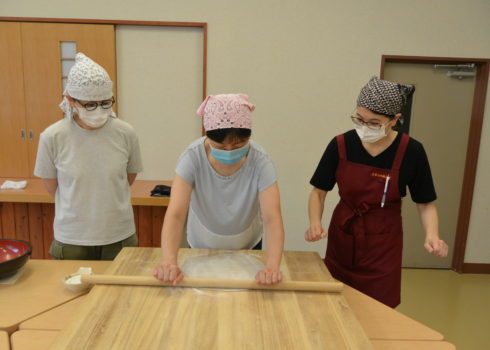
At Umaimonkan in the Soba-no-Sato, you can take our popular soba-making class. Toga soba is delicious to begin with, but it’s even better when you make it yourself. Plus, the flavor of freshly made, freshly boiled soba is something special.
This facility is located in a former elementary school, where you can make your own soba and mochi. Come and enjoy yourself, surrounded by nature. Please inquire for details.
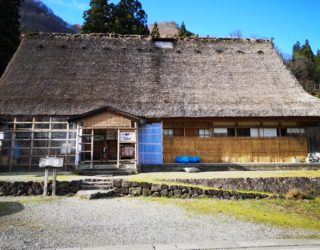
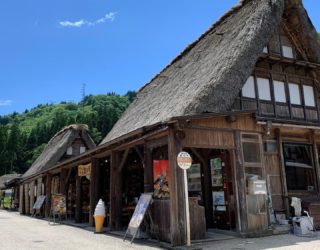
This facility presents clear displays about the once-thriving silk farming industry. Large photos are displayed, showing everything from the customs of Ainokura in the Showa period (mid-20th century) to current photos of the four seasons. Large panels give clear explanations of the World Heritage gassho-zukuri thatched-roof buildings, from their history to their construction.
Building 1 is an actual gassho-zukuri private home that has displays of utensils used in daily life in Gokayama in the Edo period. Walk around in the attic to see the gassho-zukuri frame structure up close. Building 2 has displays of tools of the three main industries of Gokayama during the Edo period: saltpeter, silk farming, and washi papermaking.
In the Kaga Domain era, producing saltpeter as an ingredient for gunpowder was the biggest industry in Gokayama for 300 years. Ensho no Yakata introduces the tools of that period and the whole process from gathering materials to making and shipping the saltpeter.
Address
134 Suganuma, Nanto (Ensho no Yakata) >Google Maps
Phone number
0763-67-3262
Opening hours
April to November, 9:00 to 16:30; December to March, 9:00 to 16:00
Gokayama Folk Hall retains the uniform, open frontage of a gassho-zukuri building, with almost no remodeling. On display are about 200 utensils for daily use that convey the image of traditional life in a mountain village. Go upstairs to see the attic construction, silkworm farming displays, and “crossing a ravine in a basket.”
Nationally Designated Important Cultural Property Murakami House
This is one of the oldest thatched-roof houses, built about 350 years ago. It is a valuable house that retains the exemplary thatched-roof architectural style of its time. It was designated a National Important Cultural Property in 1958.
Nationally Designated Important Cultural Property Iwase House
This thatched-roof house, built over a period of 8 years in the mid-1700s, is one of the largest in Japan and shows the power of the Kaga domain. Because it was an official’s house paying saltpeter to the Kaga clan, it was given special permission to be built with zelkova materials. It was designated a National Important Cultural Property in 1958.
An inn with a flowing wellspring, built on high ground in the countryside overlooking the Tateyama mountain range. It was completely renovated in 2015. In addition to an open-air bath and a large public bath overlooking the peaceful village scenery, we have a real sand bath, rare in Toyama and popular with our female guests.
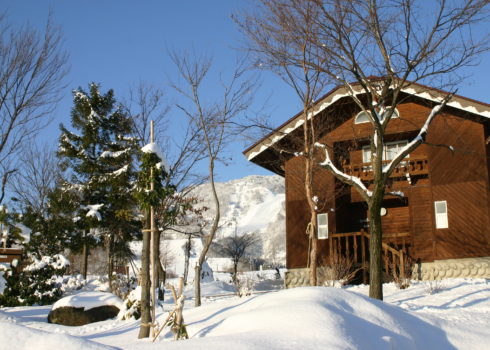
In these Swiss-style cottages built to gently hug the landscape of Mount Io, which straddles Toyama and Ishikawa, we invite you to a world out of the ordinary, where time and the atmosphere are mellow. Our complete facilities offer you a comfortable cottage stay.
Address
Arosa Village, Saikawashichi, Nanto, Toyama >Google Maps
Inami: the wood carving town registered as a Japanese heritage site. The inns dotted throughout the town were created in collaboration with artists active in each area and give off the ambience of an art gallery. Staying here enables participation in workshops as the apprentice of Inami artisans.
This is a small townhouse ryokan in the Inami old town, known as the home of wood carving, located in a renovated 80-year-old merchant townhouse. With meals made with local ingredients, a private onsen usable on an hourly basis, and a wine cellar-style bar exclusively for our guests, you can relax and enjoy yourself.
An auberge hosting only three groups of guests per day. Enjoy our rural French cuisine masterfully prepared with homegrown rice and fresh vegetables. Look out at the breezes, the birdsong, and the green forests around you as you relax and heal your spirit.
Our gentle natural onsen and jet massage pool filled with onsen water are very popular. In our spacious guest rooms, we pride ourselves on the cuisine we offer, both French and Japanese, centered on the best local ingredients and ingredients typical to the Hokuriku region.
This piping hot spring water bubbles up from the base of Mount Kongodo, the highest peak in Toga. The spring water is of a simple alkaline type, highly effective for beautifying the skin as well as for nerve pain and fatigue. Enjoy our typical mountain village cuisine, featuring the famous Toga Village handmade soba noodles, Toga tofu, char, and edible wild plants.
Gokayama Onsen Gokasan Sou is located within a tranquil rural landscape amid mountains. At Gokasan Sou, we aim to offer natural and simple hospitality. Come to Gokasan Sou to relax, soaking in the mountain village hot spring water and letting yourself melt into the nature of Gokayama.
This quiet inn stands modestly amid lush nature, surrounded by the mountains of the upper reaches of the Sho River. We boast an onsen with simple weak alkaline water that is gentle on the skin. At this inn, you will be able to relax in peace.
Omaki Onsen, located between a reservoir and a cliff, is an inn accessible only by sightseeing boats. The lobby, with its sunken fireplace, warmly welcomes you. Away from everyday life, enjoy the luxurious feeling of time itself slowing down.
With now rarely-seen thick crossbeams, zelkova wood framework construction, and black lustrous pothooks oxidized by smoke, the scene will evoke a feeling of nostalgia from deep within your heart. Our dinners offer colorful cuisine made with mountain village ingredients, yet not limited to the world of traditional mountain cooking.
Since it was built in 1930, this inn has been a beloved place at Gokayama. We welcome you wholeheartedly with a natural onsen and local cuisine. Close to the World Heritage Suganuma Gassho-zukuri Village. In front of the largest Important Cultural Property thatched-roof house, the Iwase House.
You can also use our onsen bath as part of a day visit.
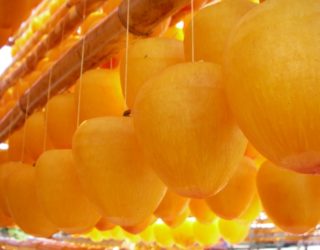
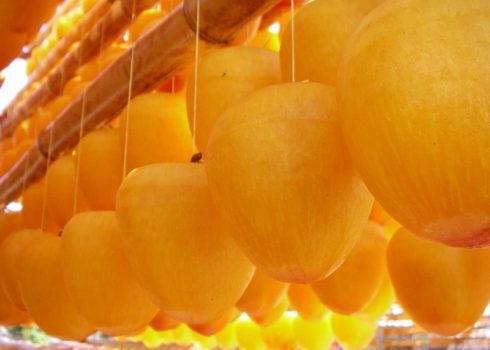
[Nanto Specialty] About 360 years ago, the third Kaga daimyo Toshitsune Maeda came to what is now Fukumitsu and highly praised the handmade dried persimmons there. Afterward, the Maeda family consistently promoted the production of dried persimmons, so the craft of drying persimmons flourished here. Enjoy the soft fruit and rich sweetness.
Address
21 Nakanogo, Nanto (Roadside Station Fukumitsu) >Google Maps
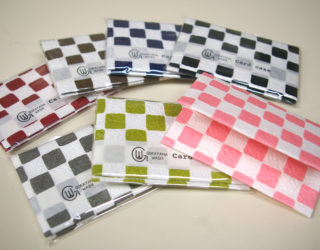
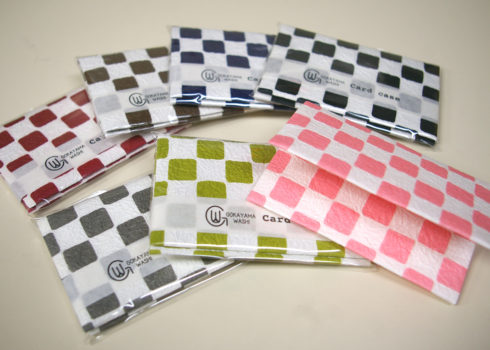
[Nanto Specialty] The gorgeous color and durability of every type of washi paper made with Gokayama kozo pulp and each washi accessory made carefully by hand make them popular souvenirs to bring overseas. There is also a great lineup of materials for crafting.
Address
215 Higashinakae, Nanto (Roadside Station Taira, Gokayama Washi no Sato) >Google Maps
About 440 years ago, during the Edo period, the silk craftsmanship handed down in Johana, Nanto, became so popular that its market spread to Kyoto, Osaka, and even Edo. ”Shike silk,” woven using dupion silk from double cocoons made by two silkworms, is especially beautiful and richly nuanced.
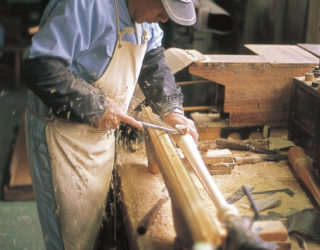
[Nanto Specialty] Starting with the reconstruction of Zuisenji Temple, Inami is a town built by the wood carvers’ magnificent Inami carvings, exemplified by beauty created with a single temple carpenter’s chisel. Enjoy unique items made with all the devoted concentration of techniques handed down by the artisans of the past.
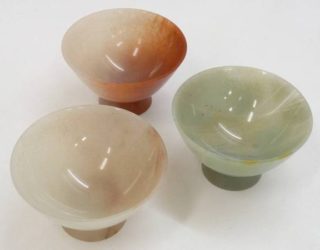
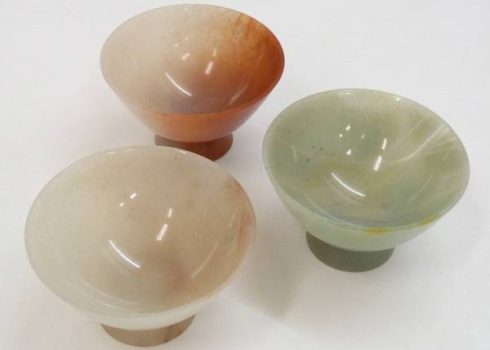
[Nanto Specialty] The fieldstones of the Oyabe River come in a wide variety of colors, including yellow, crimson, violet, white, ash brown, and dark blue. Their beauty and hardness rival Chinese jade. Made from natural rock, no two are the same, and each has its own charm.
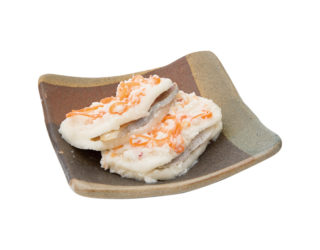
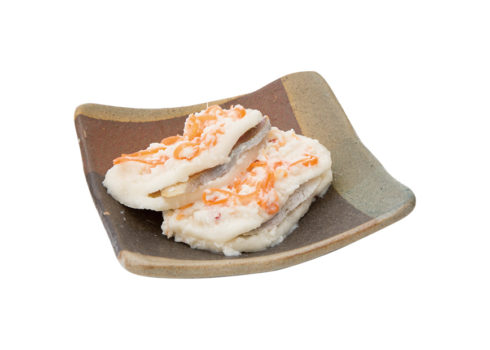
[Nanto Specialty] Fermentation-based processing techniques have been used since olden times in Nanto to make preserved foods for the harsh, snowy winters. Kabura-zushi (sushi made with turnips) is a typical fermented food made in every household, symbolizing the taste of winter for local people.
Address
21 Nakanogo, Nanto (Roadside Station Fukumitsu) >Google Maps
[Nanto Specialty] Fukumitsu, Nanto holds the top share of wooden bat manufacture in Japan. These bats are made with the full use of artisanal techniques passed down since the Taisho era (early 20th century) and purchased even by professional baseball players. Try out making a one-of-a-kind original bat using carefully selected materials.
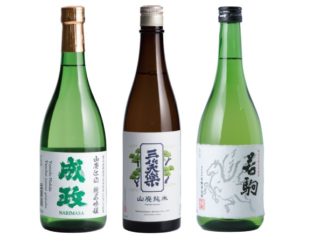
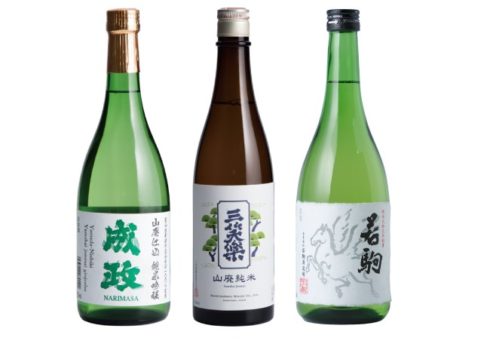
[Nanto Specialty] Blessed with high-quality water and rice, Nanto is home to three sake breweries. Whether in the mountains or the fields, the brewing location gives each sake its own unique flavor. Taste and compare these flavorful craft sakes.
Address
21 Nakanogo, Nanto (Roadside Station Fukumitsu) >Google Maps
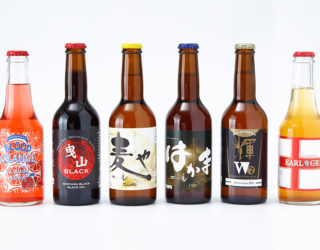
[Nanto Specialty] Craft beer from Nanto. This beer is notable for its wide variety of flavors. Give it a try, whether or not you are already a beer fan.
Famous for “iwana nigiri-zushi”, a rare treat even in Japan. The iwana (char) that inhabit the clear streams of Gokayama have faintly pink, firm flesh that exquisitely balances moderate acidity and sweetness. Seasonal ingredients are also used in plenty. We look forward to seeing you.
A small café bar tucked into an alleyway in Inami, Nanto. We make smoked food using wood shavings from local woodworkers. We use the shavings of wood popular with local artisans, such as hinoki cypress, chestnut, and cherry. Enjoy these fragrances as you take in the distinctive flavors of Inami.
A Japanese soba shop listed in the Michelin Guide. Our specialty natural jumbo shrimp is so tender! Our feather-light, crunchy tempura is especially popular with women! And our stone-milled, 100% Nanto (Johana/Inami) nihachi soba noodles are subtly fragrant and sweet as well as deliciously smooth—a masterpiece!
A classical Japanese garden and ryokan established in 1900. Enjoy your meal while gazing at our elegant courtyard, which is registered as a national Tangible Cultural Property. We also recommend dining on the second floor, overlooking the Oyabe River.
This restaurant, built in 1906, offers Japanese cuisine made with an abundance of fresh seafood and inland treats. The restaurant was even featured in the manga Oishinbo. As all the seating is in private rooms, customers can relax and disregard their surroundings in all contexts, from family gatherings to memorial services, celebrations, and business entertainment.
Located in Johana in the foothills of Gokayama, Nanto, not far from the route to the ancient city of Kanazawa. We are proud to offer both French and Japanese cuisine, centered on local ingredients and ingredients typical to the Hokuriku region.
Combining a café area and a shop featuring clothing, bags, and other small goods, the concept is of a space where daily life combines with relaxation. The menu features original ice cream dishes and sweets as well as light meals. Takeout is also available. We recommend the satoyama flan and the satoyama fritters, both made with local ingredients.
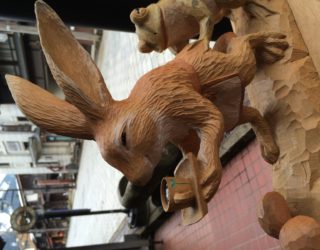
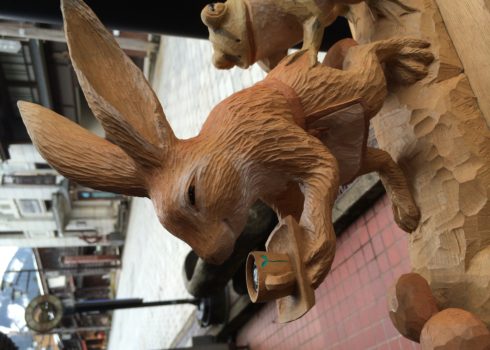
This gallery and café focuses on works by Hokuriku artists, including Inami sculptors. Come and take a break with some siphon coffee and homemade chiffon cake. Look for the rabbit sculpture when you come to visit us.
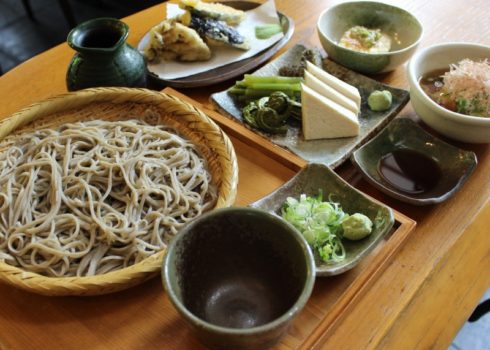
Handmade soba. Gokayama tofu cuisine. Seasonal tempura. Enjoy the flavors of Gokayama to your heart’s content. We make the flour for our full-husk soba in-house, blending a Gokayama native variety with Niigata Hitachiaki soba and Nanto Toyomusume, among others.
To offer distinctive dishes for each season, we change the menu four times a year. Our regulars enjoy getting to try new flavors every time. Our shop also has a lineup of delicious local souvenirs unique to Gokayama, which you can peruse after your meal.
This village has 20 thatched-roof houses, the oldest of which is estimated to have been built in the 17th century. Temples, shrines, earth- and panel-walled storehouses, and other traditional buildings, as well as hayfields for the grass used in thatching the roofs and wooded thickets to protect the village from avalanches, are all carefully preserved as historical landmarks.
Along National Highway 156, the thatched-roof village appears through the trees on the right bank of the Sho River. The Suganuma Gassho-zukuri village is a small hamlet on a plateau along the Sho River. Featuring nine thatched-roof houses, the entire village is designated a traditional architectural preservation district.
This temple was founded in 1390 by Shakunyo, fifth priest of Honganji Temple. It is the largest Shinshu Buddhist wooden temple structure in the Hokuriku region. The main attraction is the elaborately carved main temple gate, most of which is a masterpiece created by Inami carpenters, becoming the foundation of the Inami woodcarving tradition.
The stone-paved Yokamachi Street running through the town center is lined with many carving workshops and rings with the pleasant sound of wooden hammers. In 2018, it was recognized as a Japan Heritage site along with Zuisenji Temple, as the “Inami Woodcarving Museum Born from the Chisels of Master Carpenters.”
This Johana Jinmeigu Shrine festival is registered on the UNESCO Intangible Cultural Heritage list. Six intricately carved and painted festival floats holding holy statues are paraded through the town. The “ioriuta” song unique to Johana, accompanied by the shamisen, can be heard from the lead “ioriyatai” float.
Use real tools to create your very own sake cup under the direction of an artisan. Afterward, visit Wakatsuru Shuzo to try some local sake. This hands-on wood carving experience is designed so that even beginners can participate with ease.
At the Gassho-zukuri Experience Center, you can try your hand at making Japanese washi paper. The gallery has displays of historical materials related to Gokayama washi paper and holds exhibits of the famous washi paper from all over Japan.
Address
148 Shimonashi, Nanto (Roadside Station Taira Gokayama Washi no Sato) >Google Maps
Phone number
0763-66-2223
Admission fee
[Participation Fee]
Handmade washi paper/postcard ¥700
Uchiwa fan (May to October) ¥1,500
Johana Betsuin Zentokuji Temple, which belongs to the Otani sect of Shinshu Buddhism, was established by Rennyo, the eighth Honganji Temple priest, in the Muromachi period, at Sunagozaka, Inoue-no-sho, Kahoku County, Kaga. In the Edo period, under the protection of the Kaga domain, it flourished as the supervising temple of Shinshu Buddhist temples in Etchu Province.
Hands-on: Make wagashi sweets with wooden confectionary molds
Tamura Manseido is one of Johana’s oldest sweetshops, passed down generations since the Kansei era (late 18th century). Here you can use their precious wooden candy molds to make traditional Japanese sweets and enjoy the atmosphere as you experience part of a simple form of the tea ceremony.
Hands-on: Grill your own sembei and kakimochi rice crackers
Try grilling your own sembei and kakimochi rice crackers. The grilling experience takes about 10 minutes. The fee is ¥200 per person (8 raw crackers).
Enjoy a lively session of grilling with your family or friends, and eat the crackers hot off the grill.
The paper sifting experience offers equipment that is actually used to make washi.
You can create paper the size of a placemat and decorate it with autumn leaves.




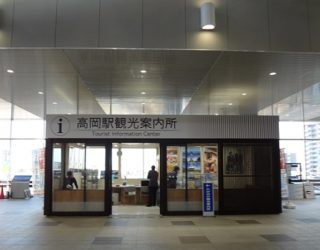
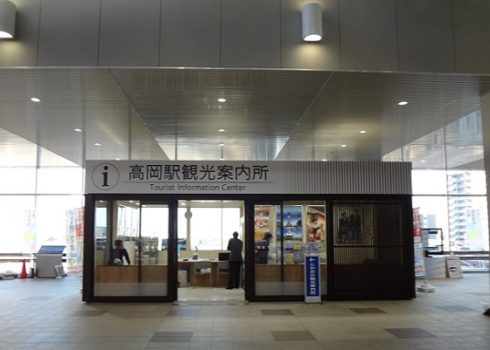

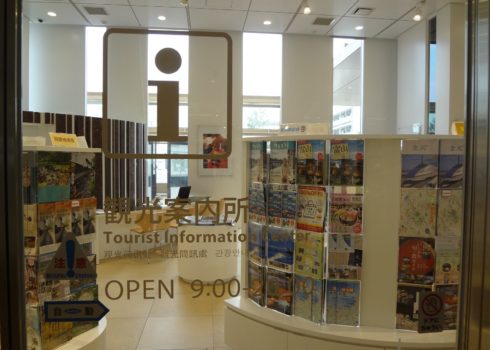
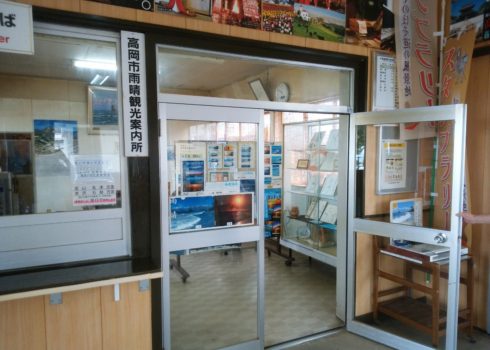
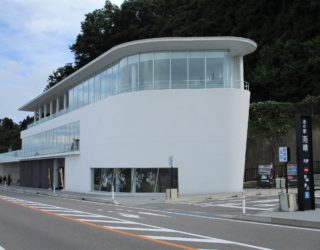
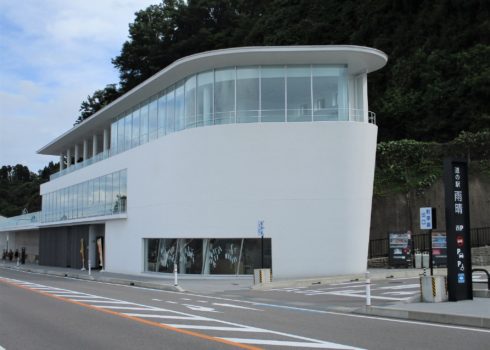
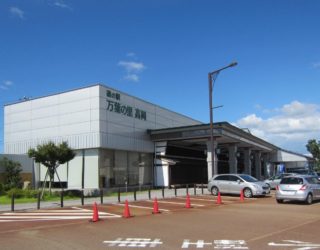
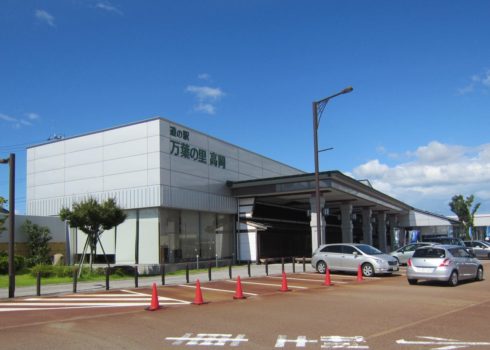
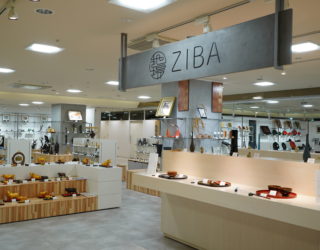
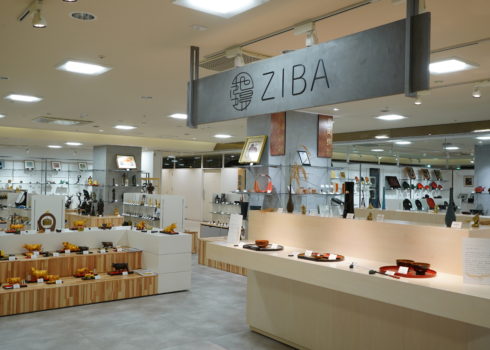
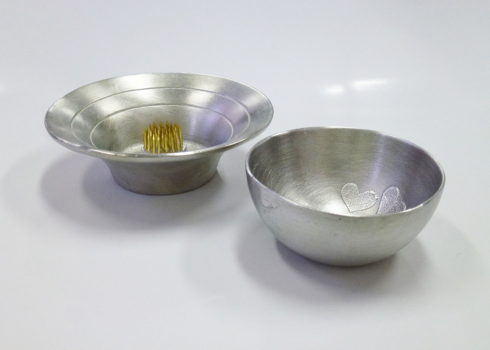
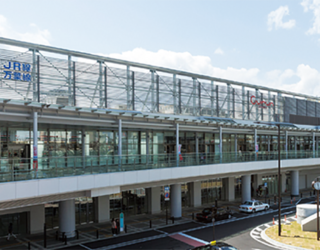
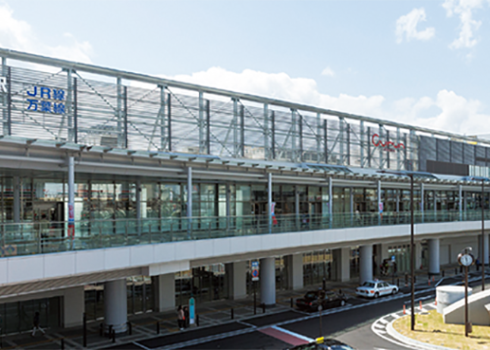
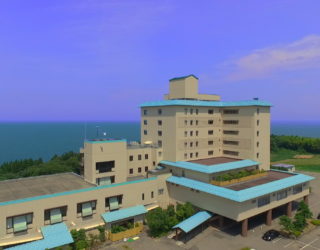
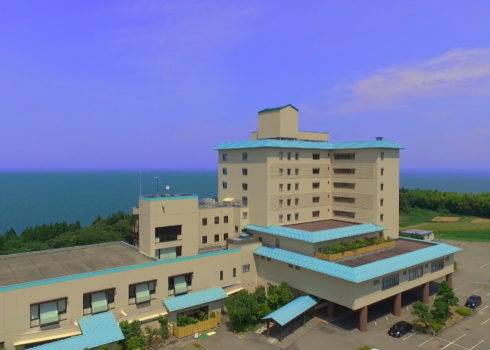
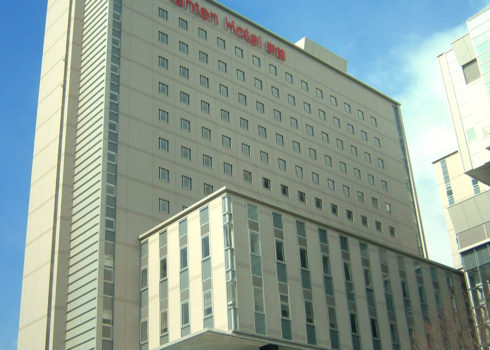
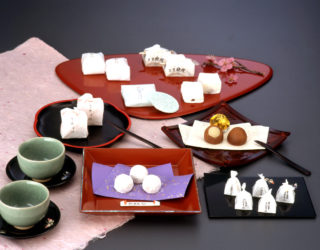
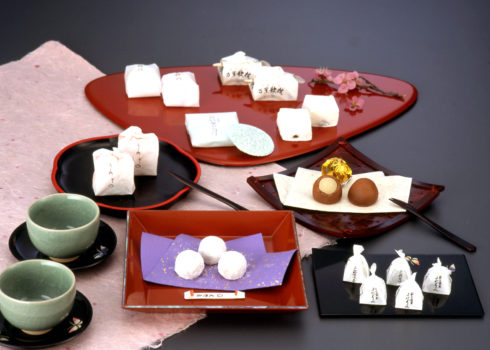
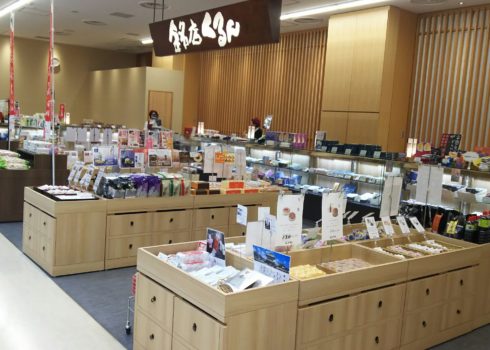
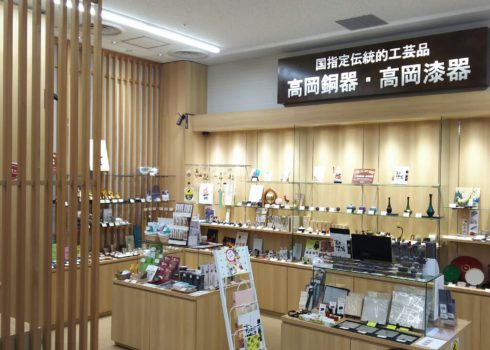
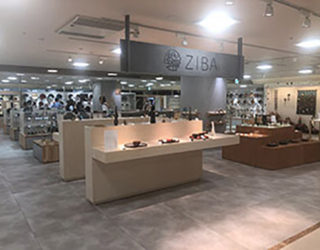
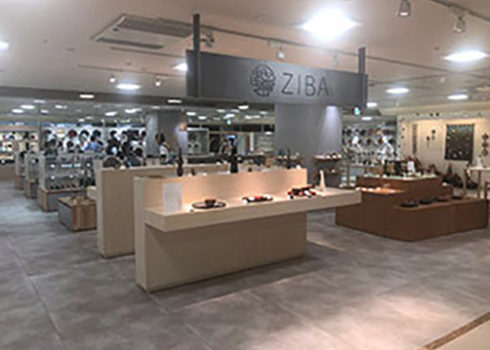
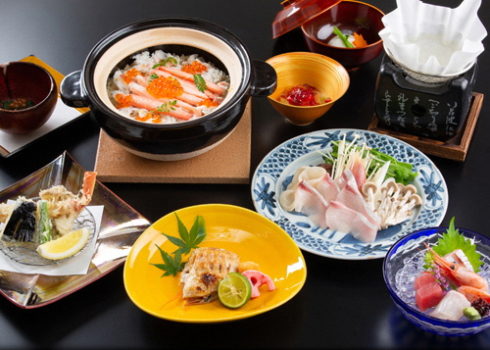

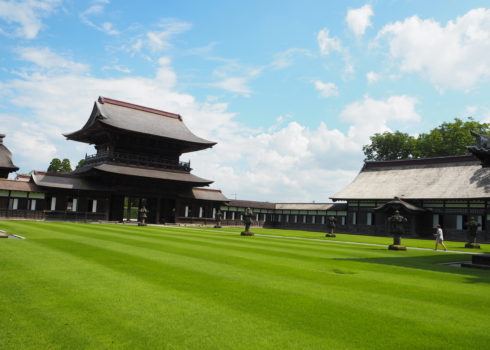
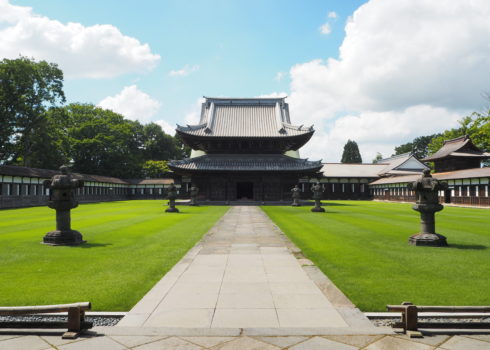
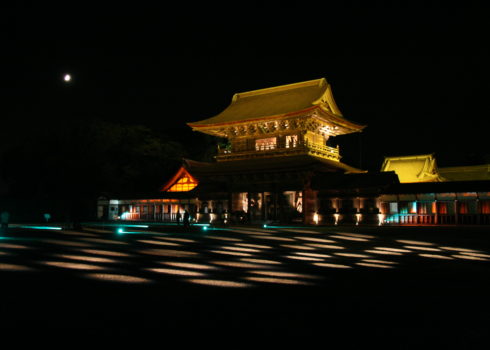
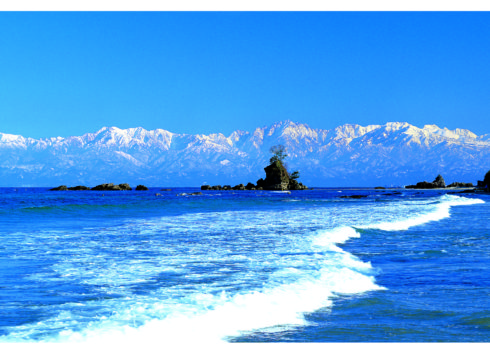
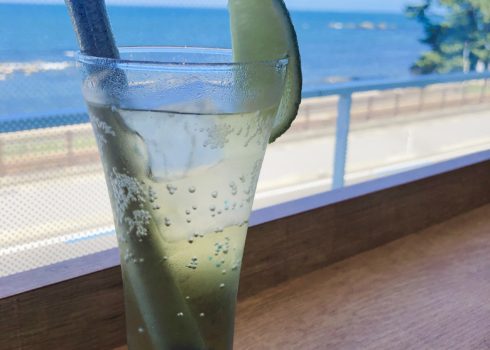
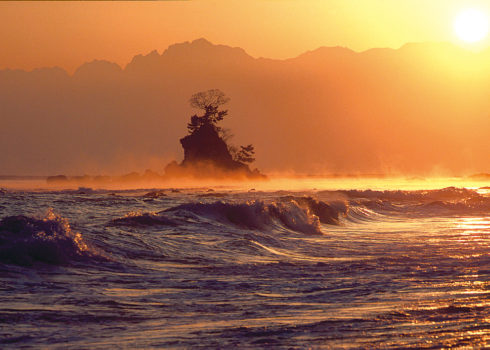
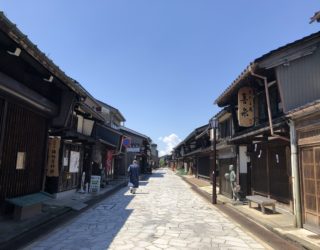
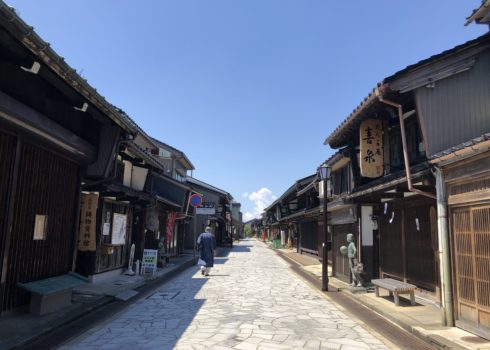
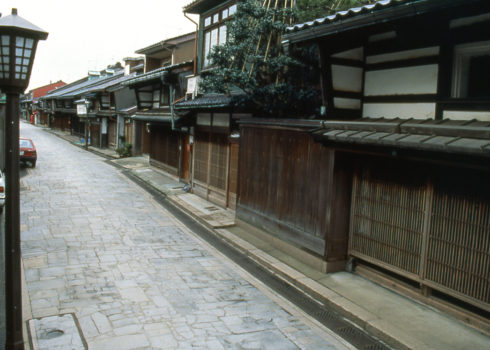
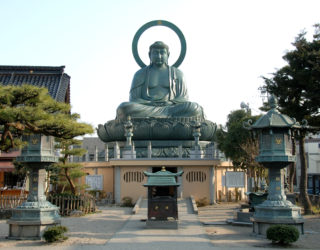
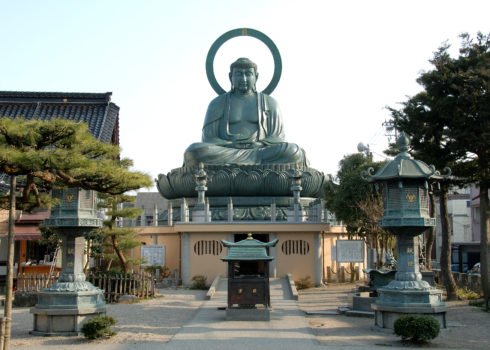
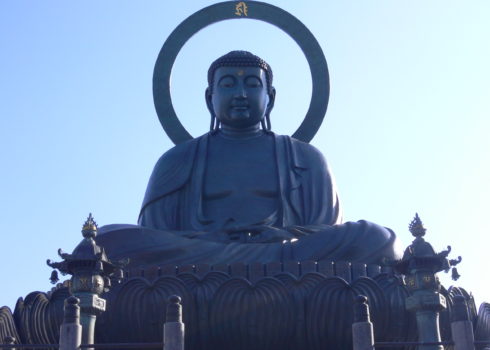
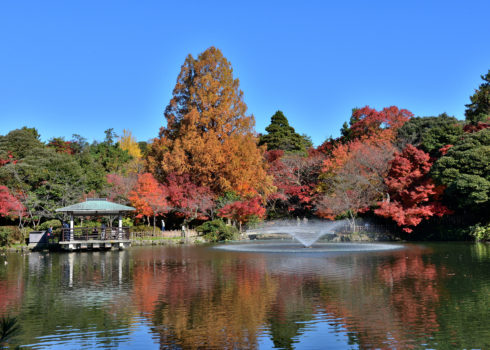
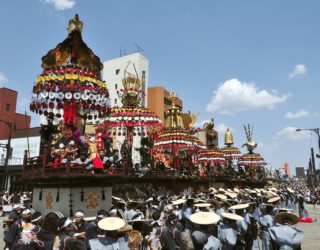

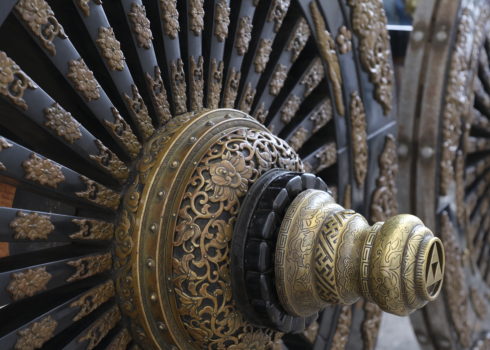
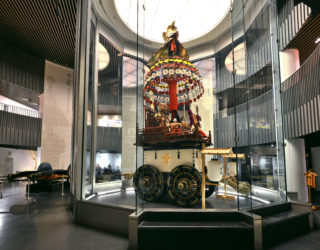
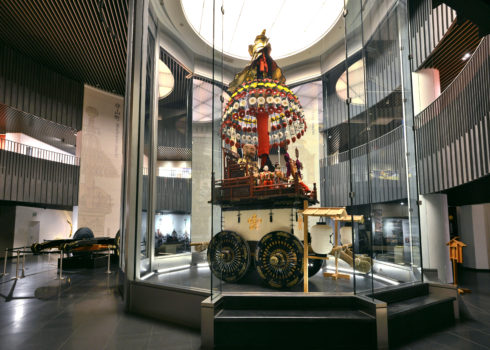
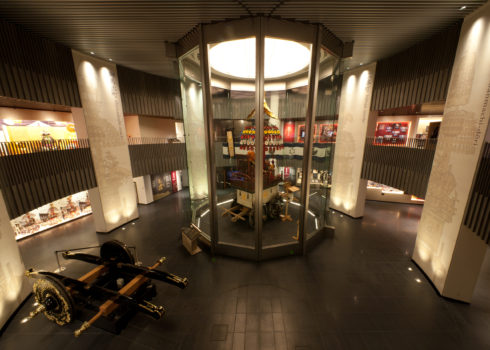

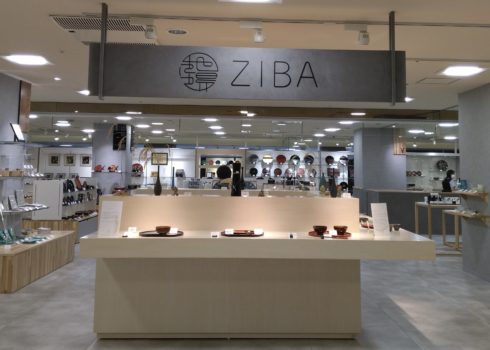
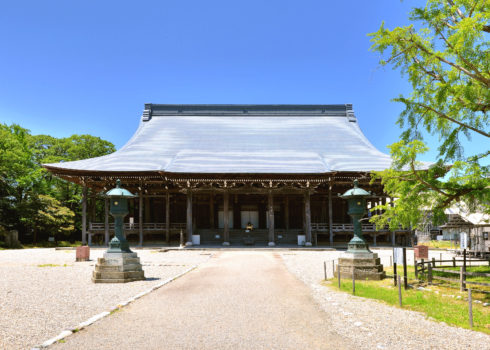
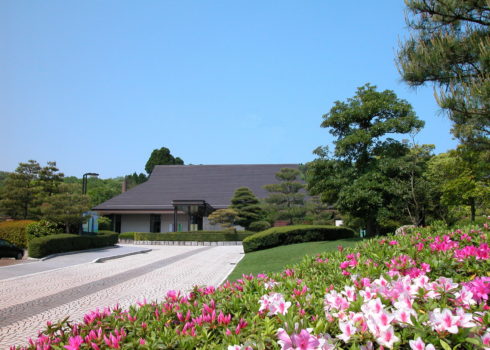
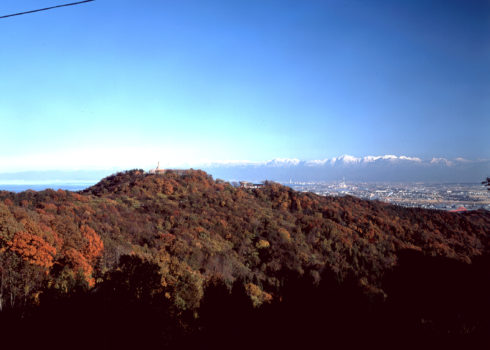
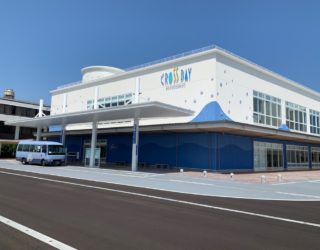
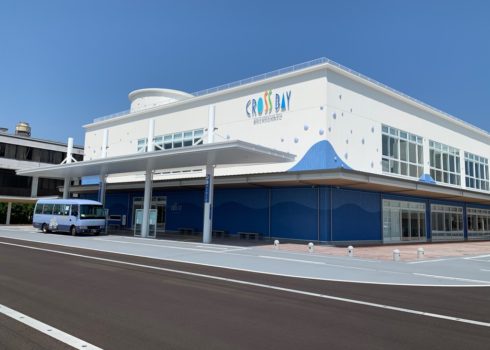
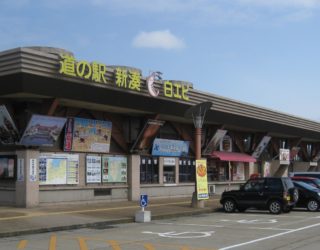
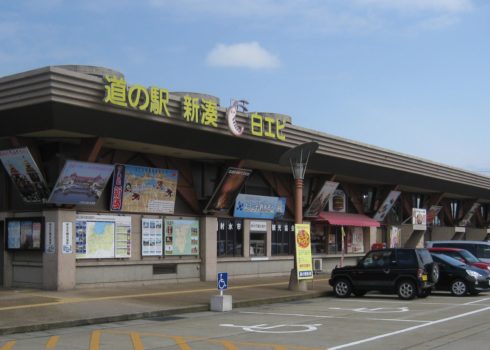
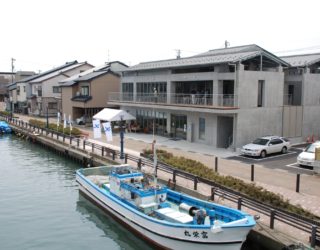
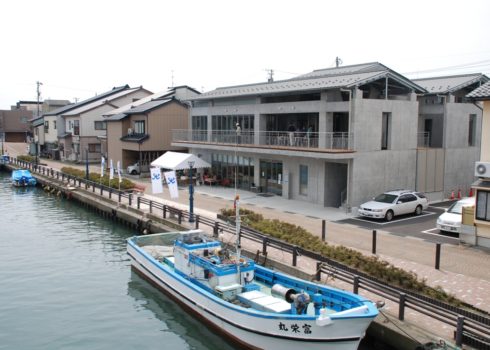
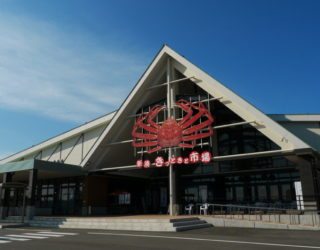

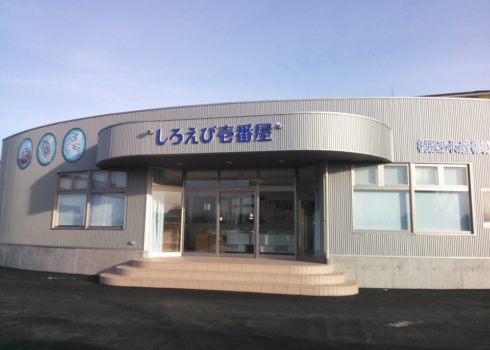
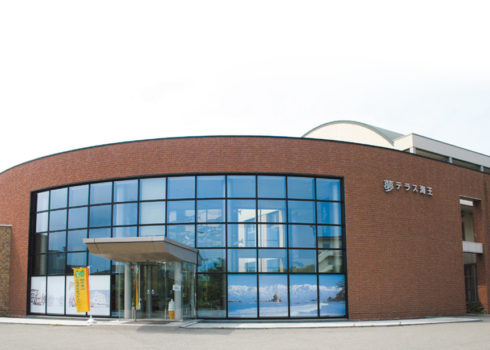
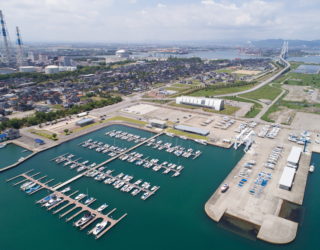
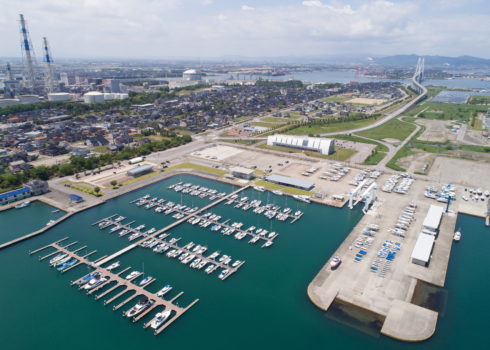
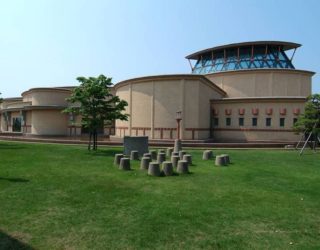
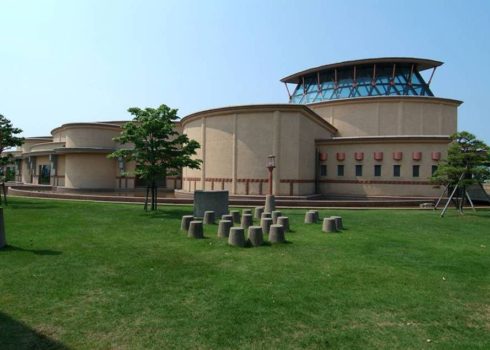
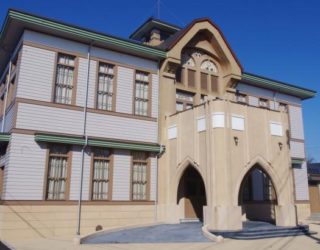
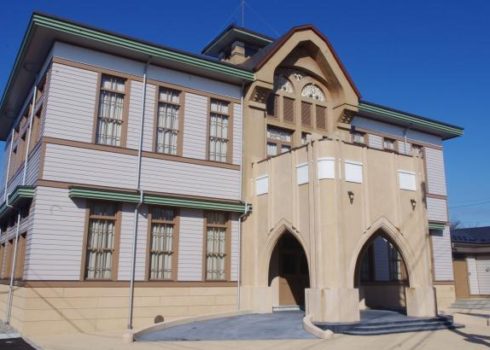
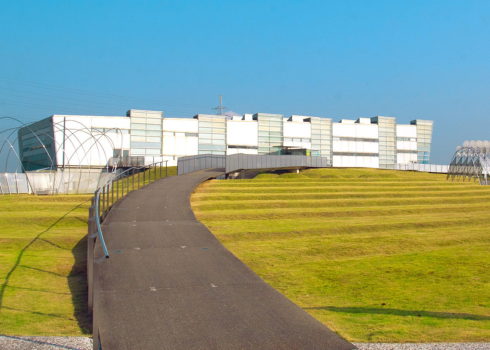
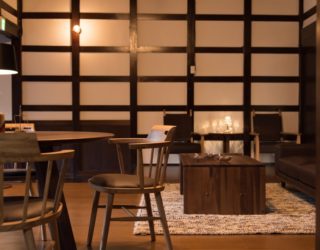
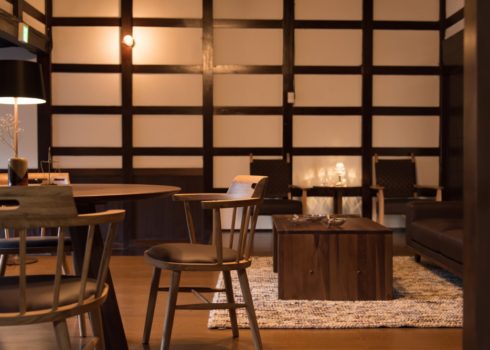
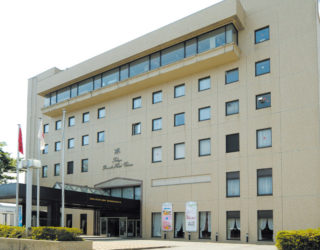

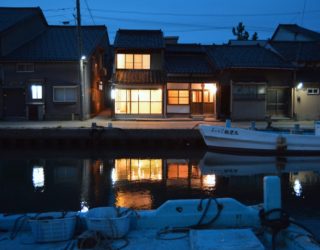
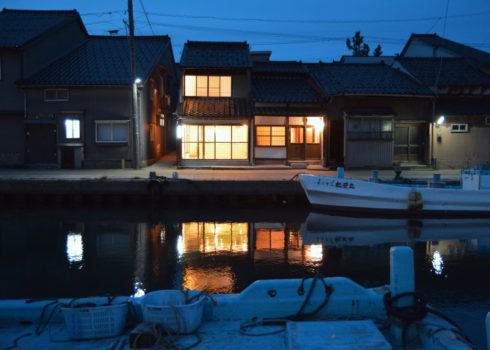
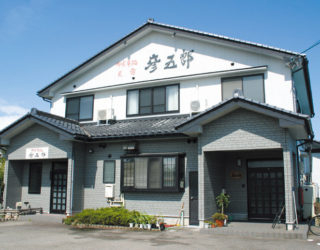
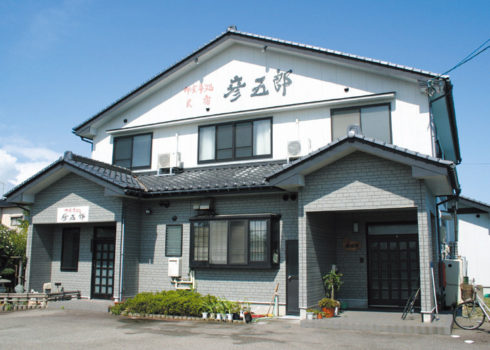
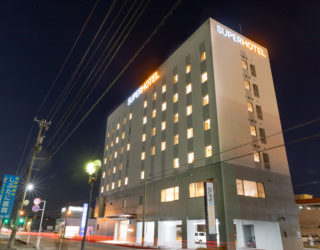
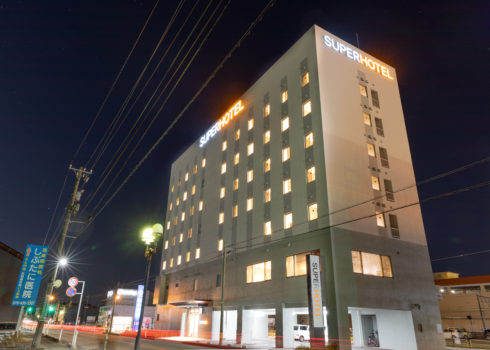
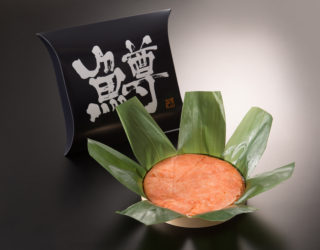
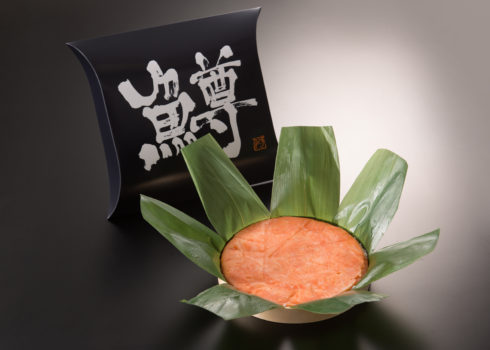
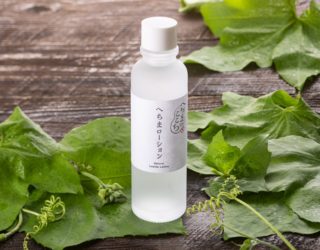
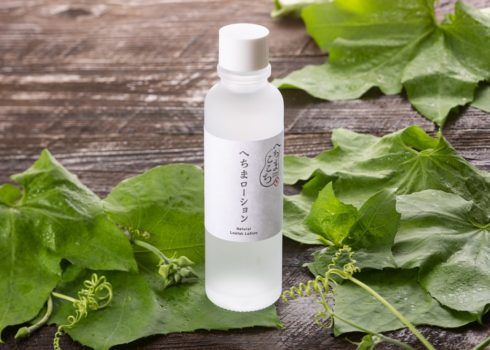
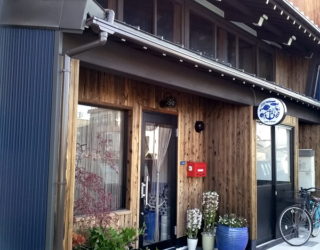
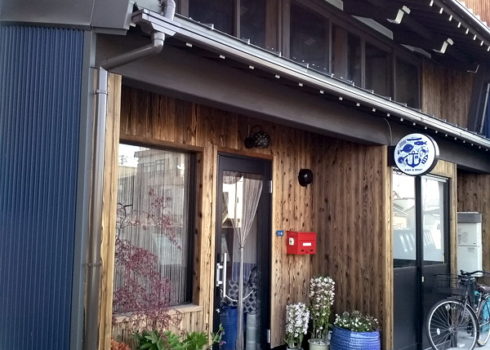
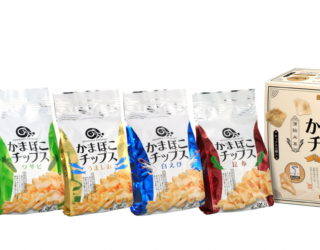
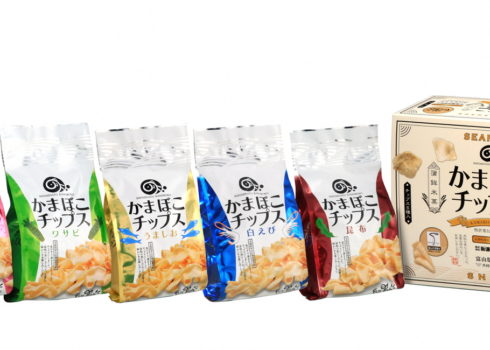
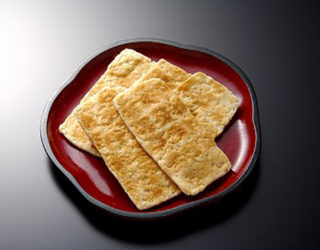
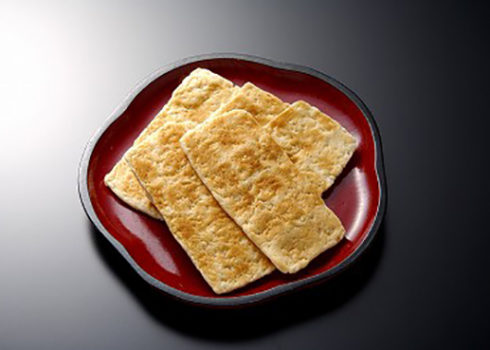
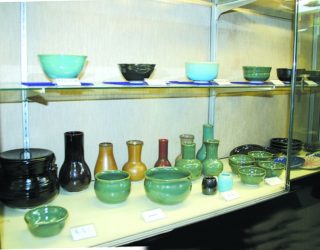
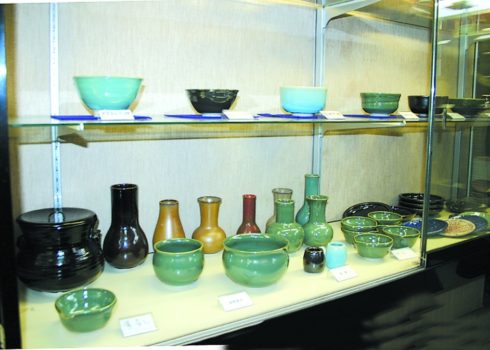
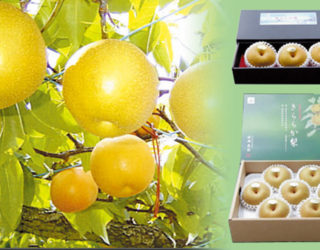
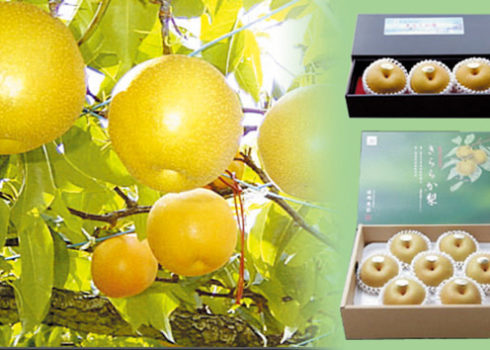
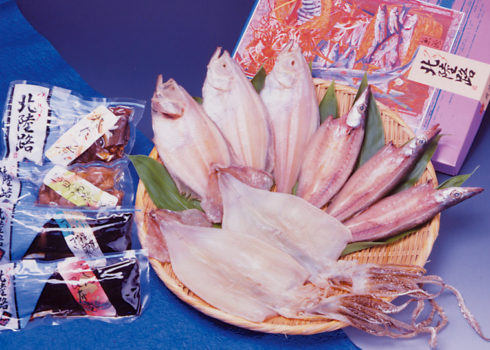
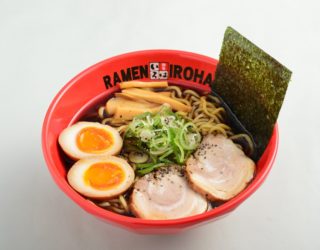
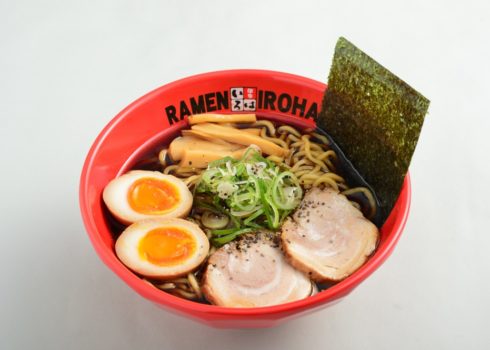
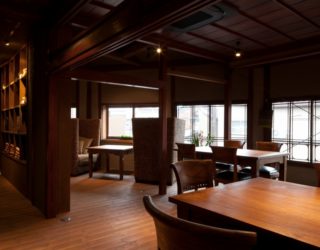
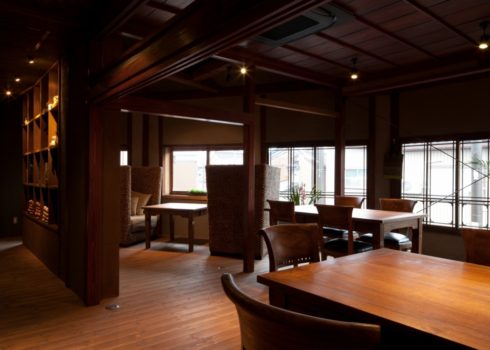
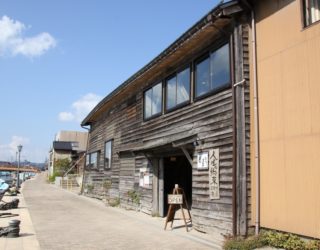
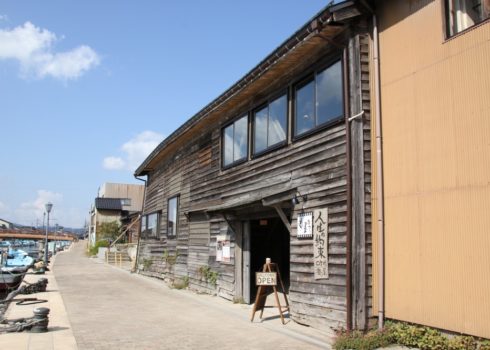
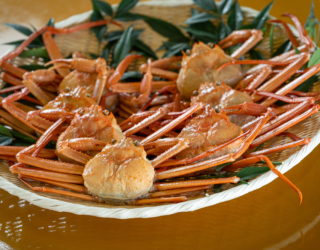
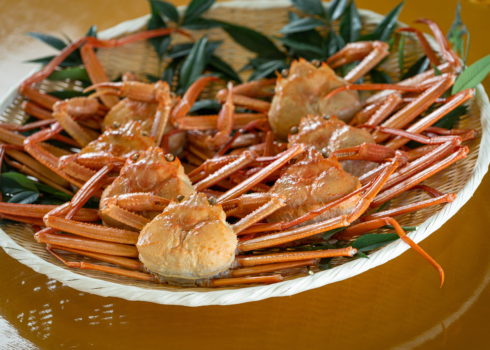
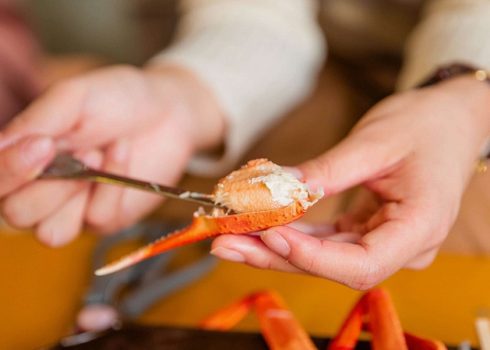
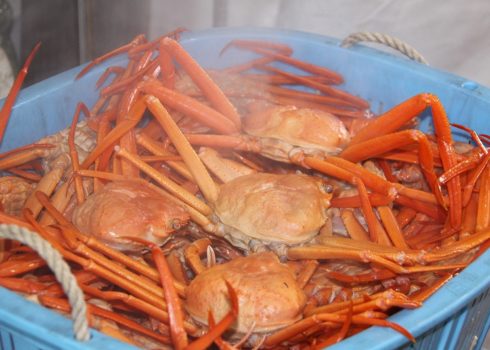
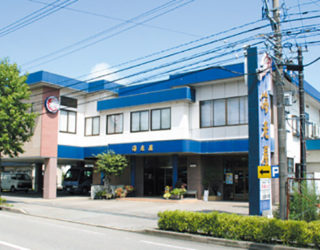
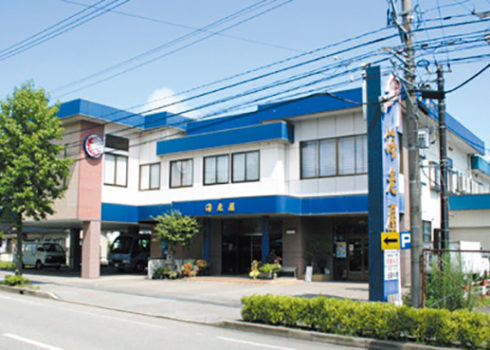
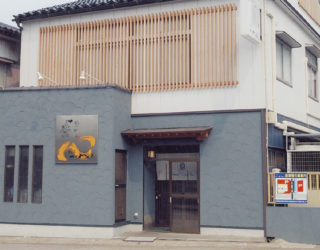
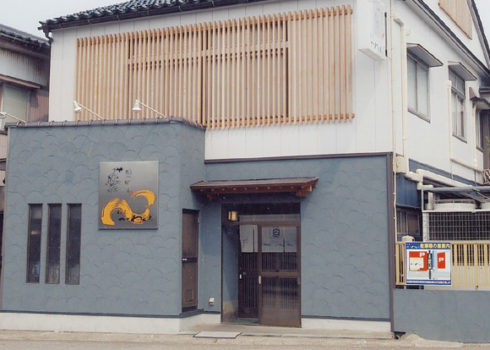
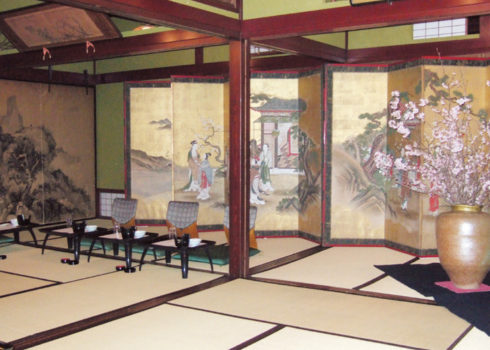
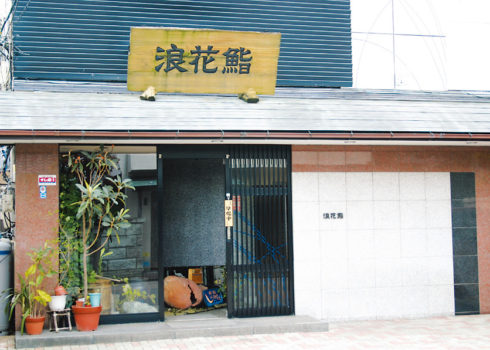
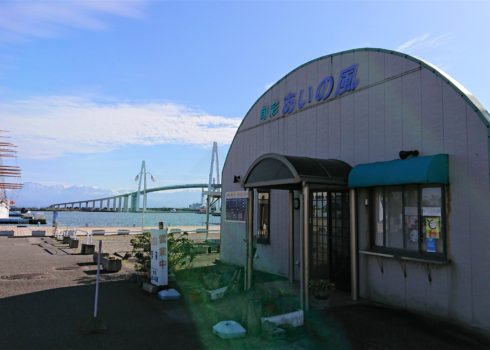
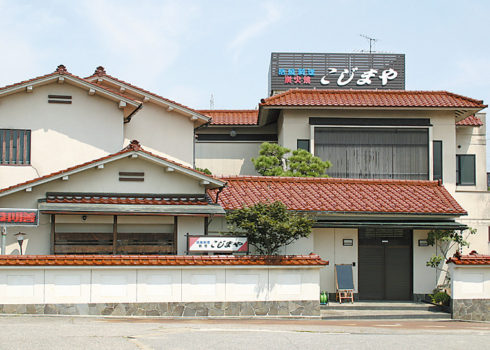
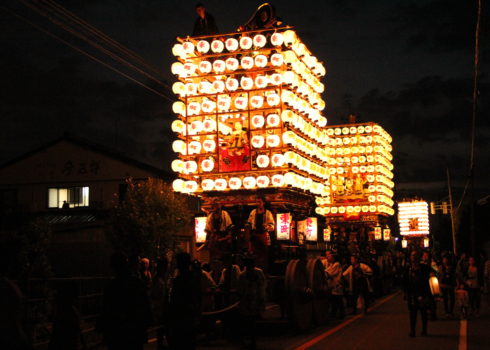
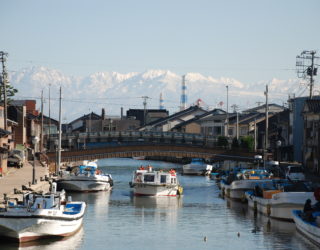

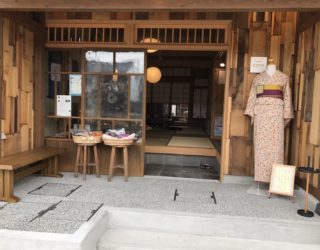
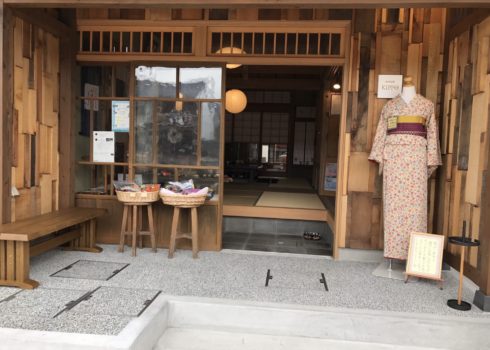
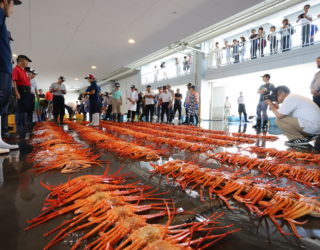
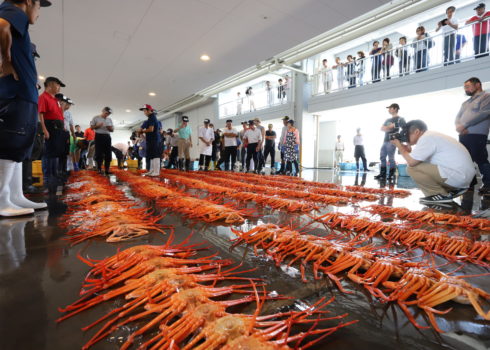
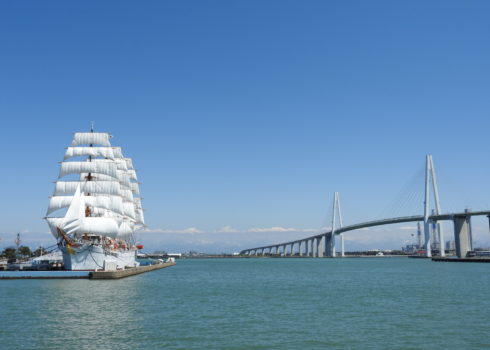
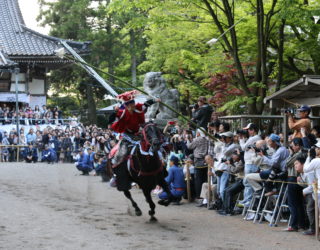
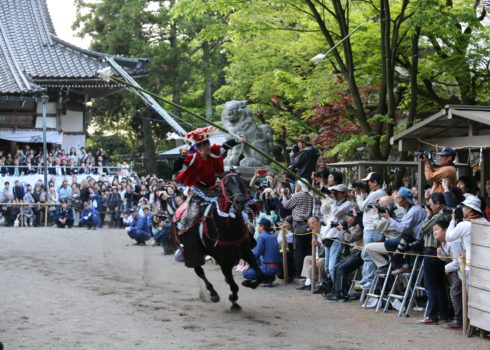
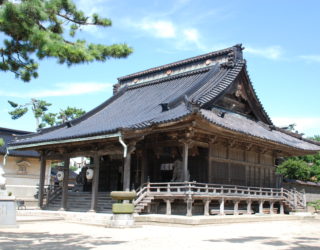
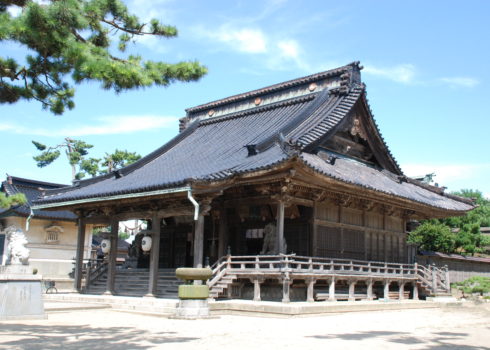
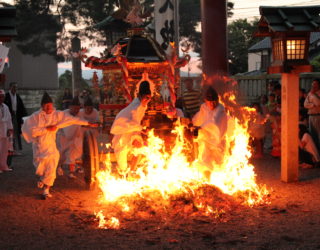
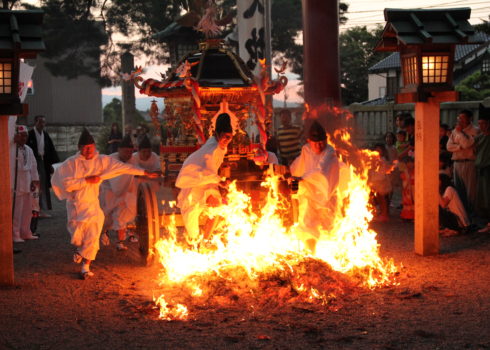
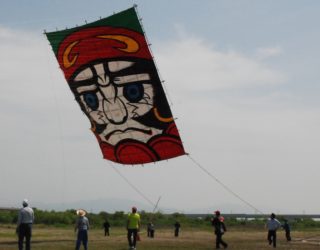
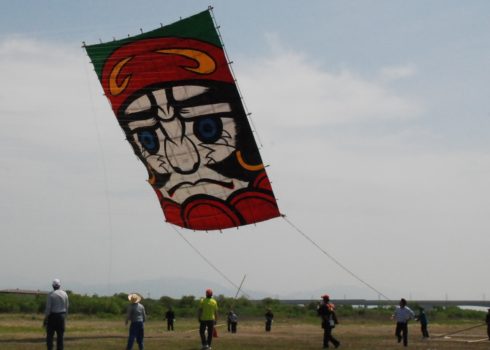
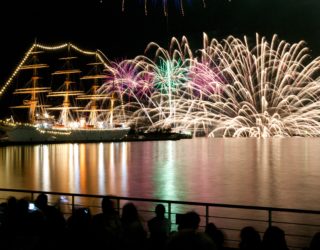
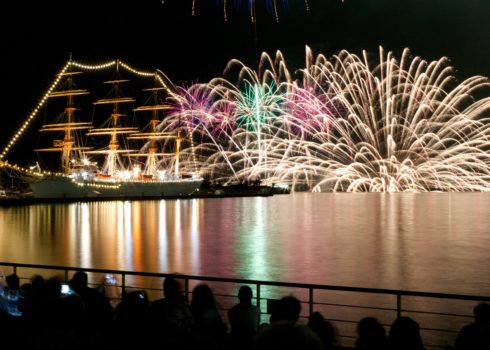
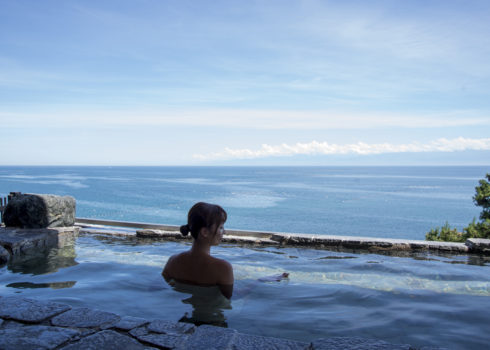
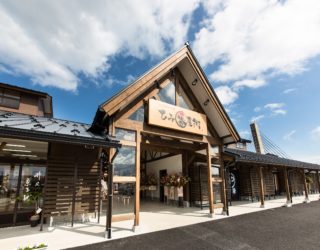
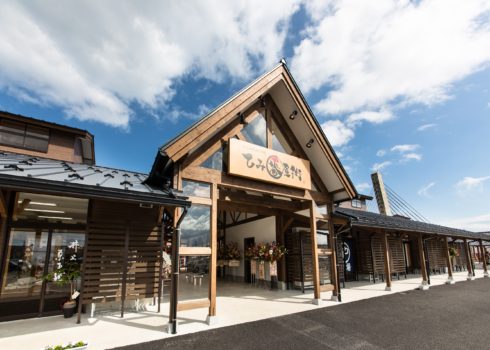
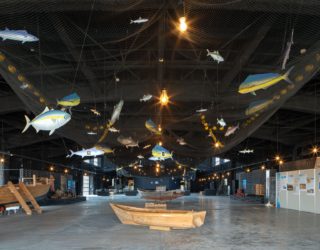
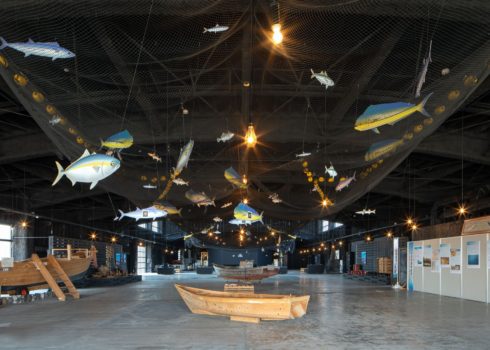
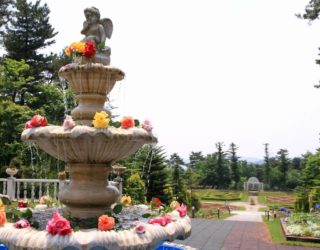
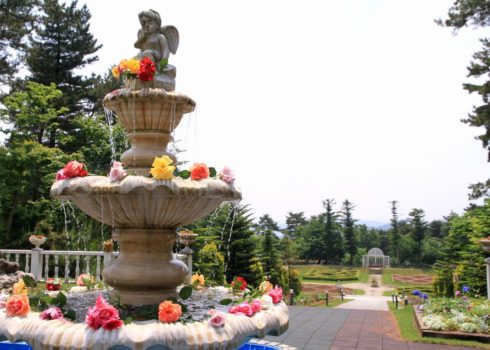
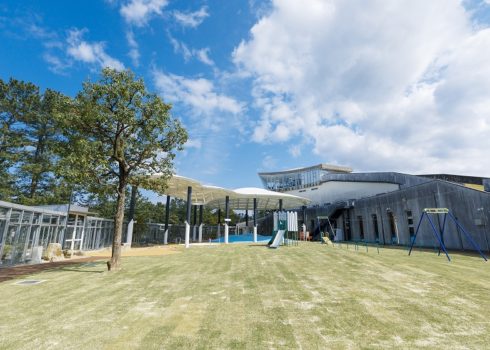
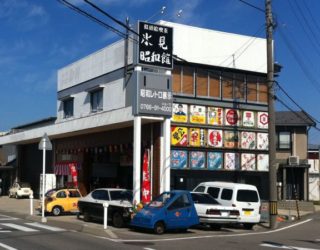
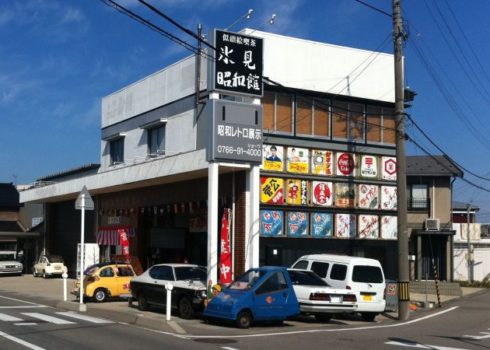
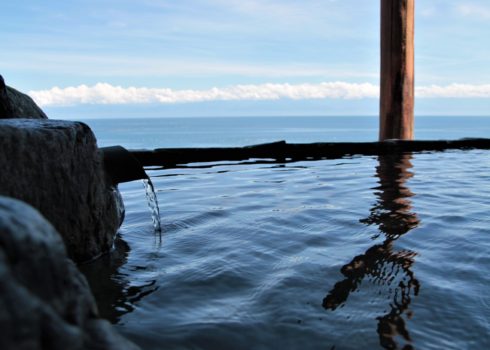
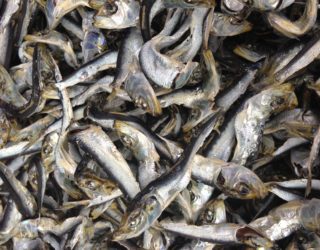
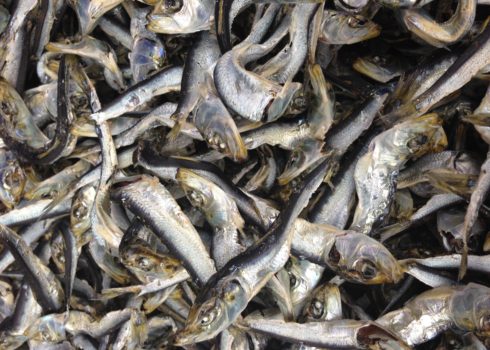
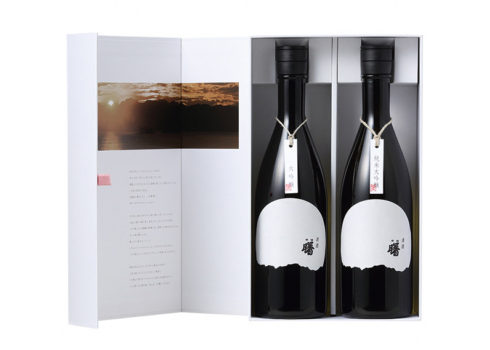
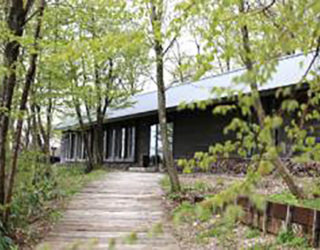
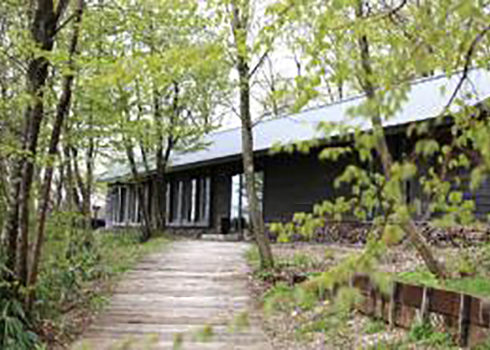
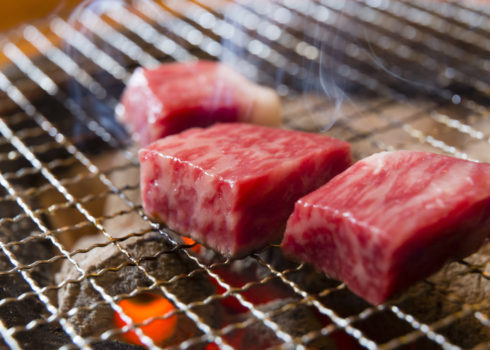
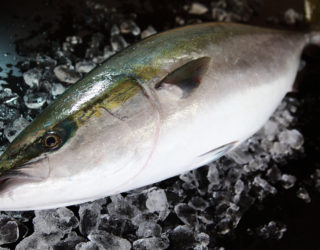
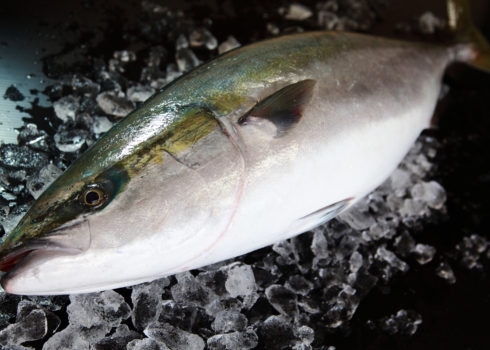
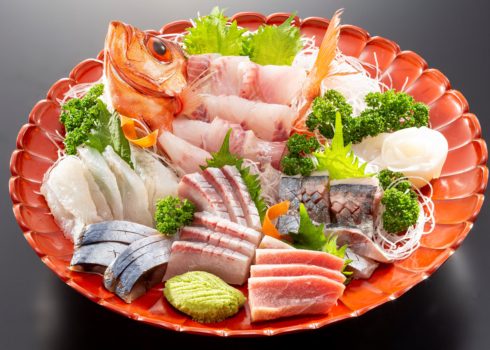
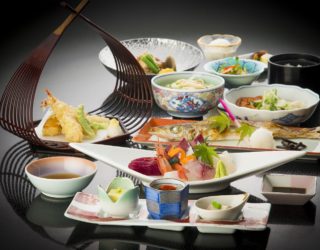
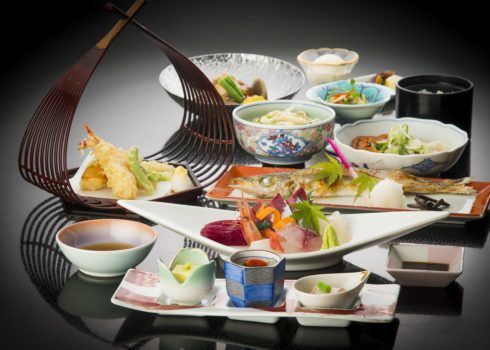
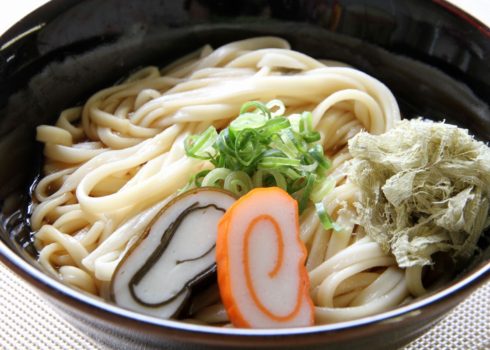
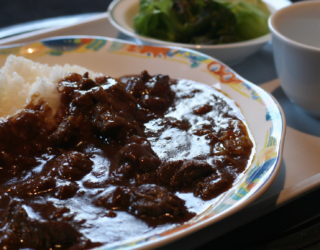
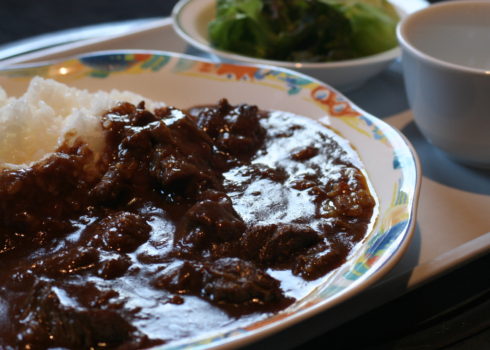
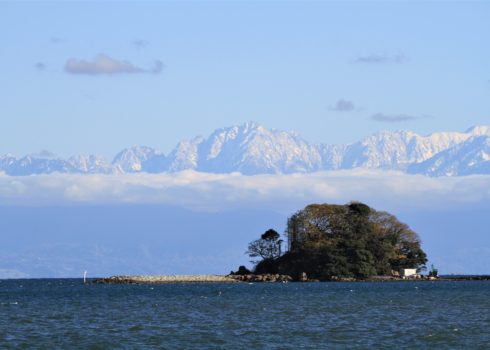
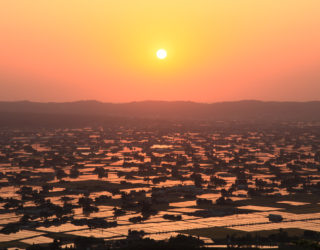
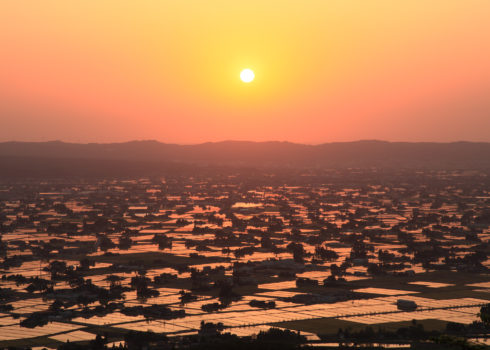


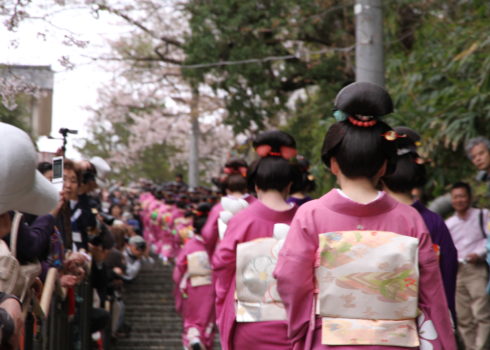

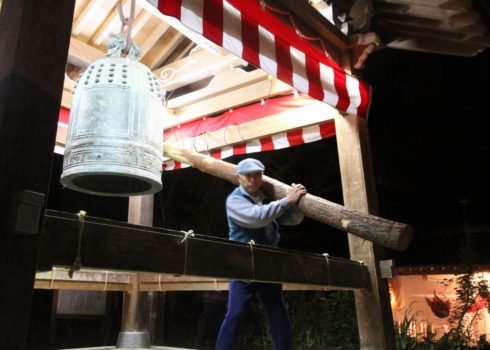
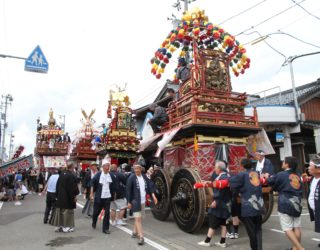
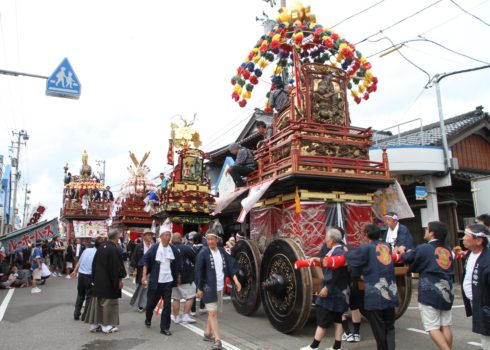
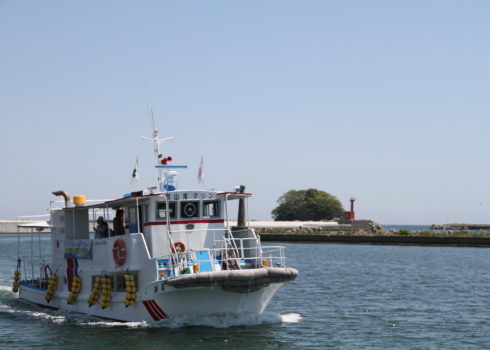
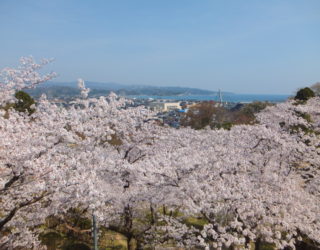
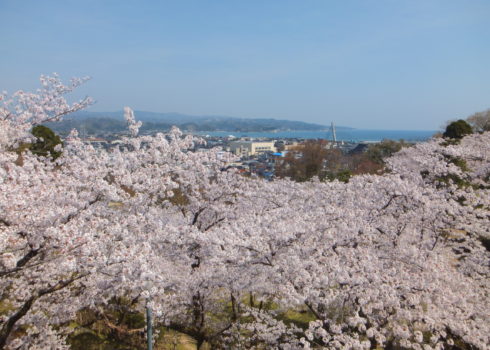
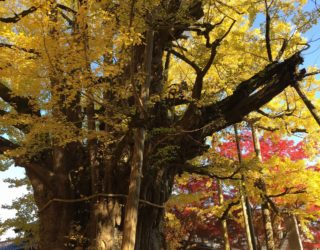
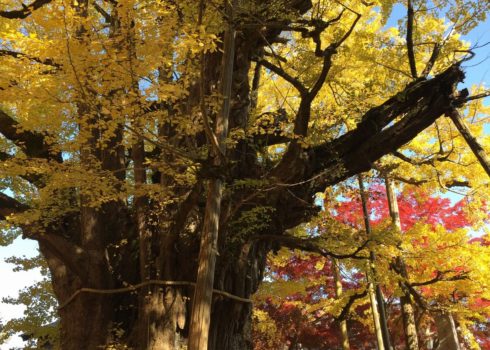
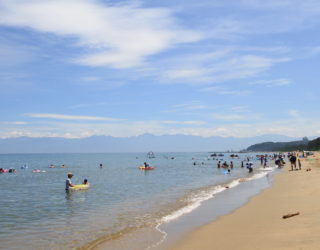
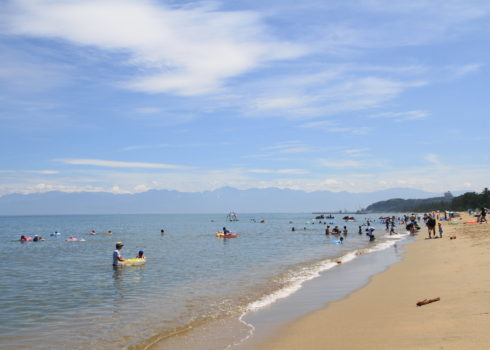
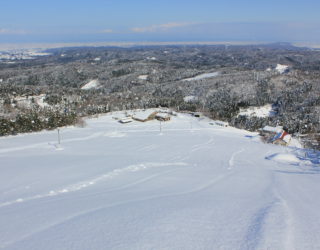
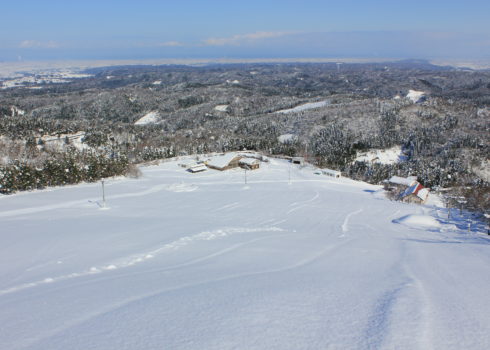
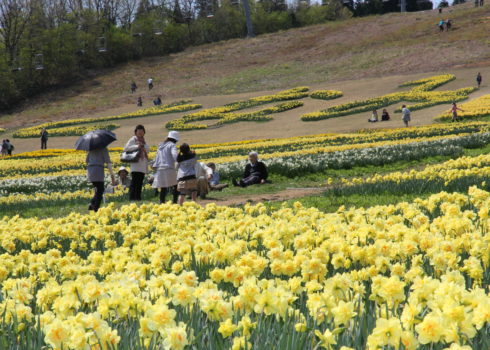
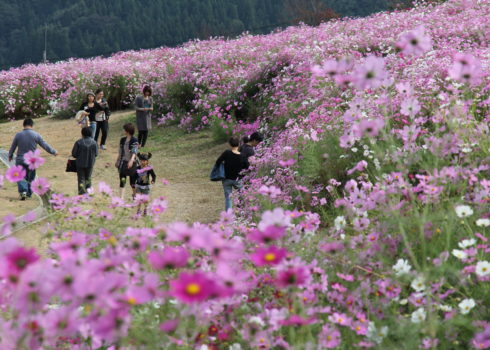
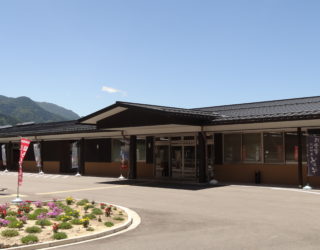
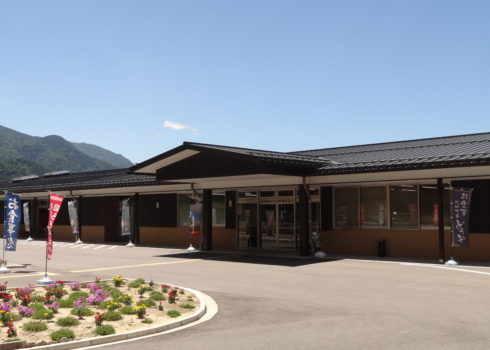
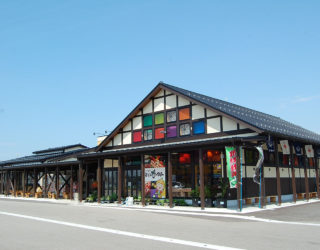
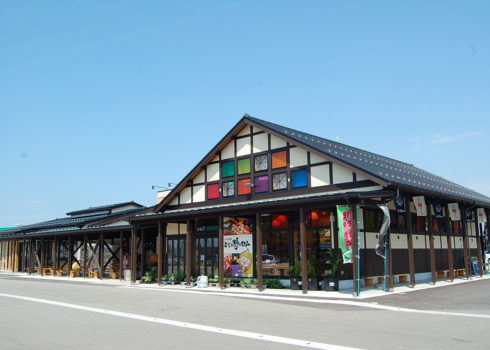
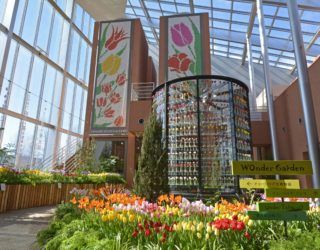
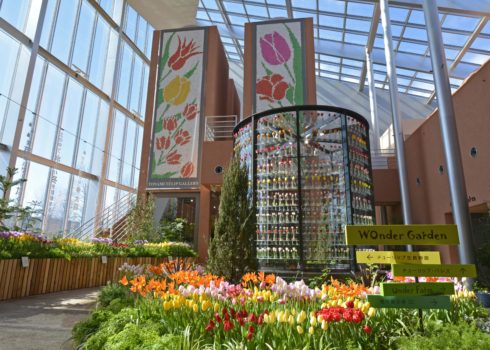
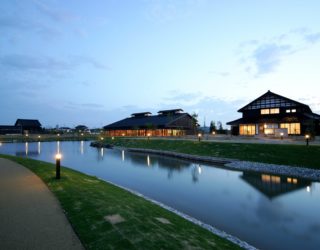
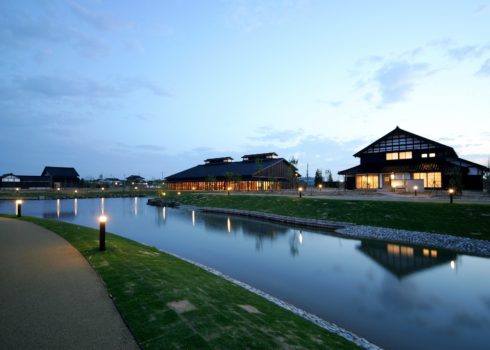
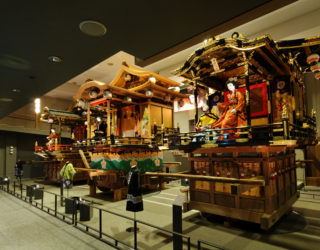
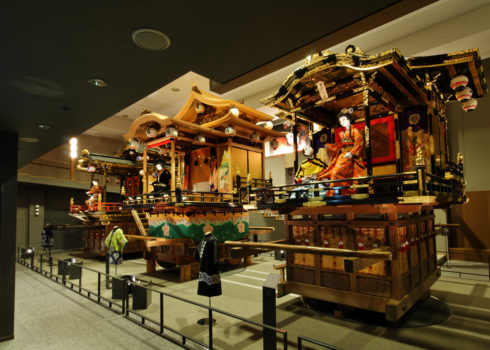
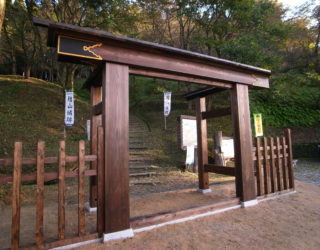
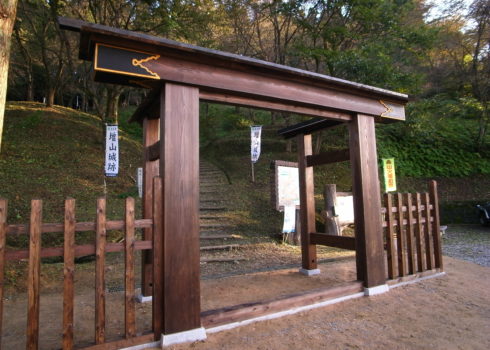
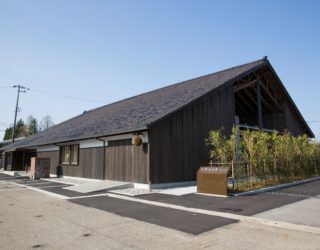
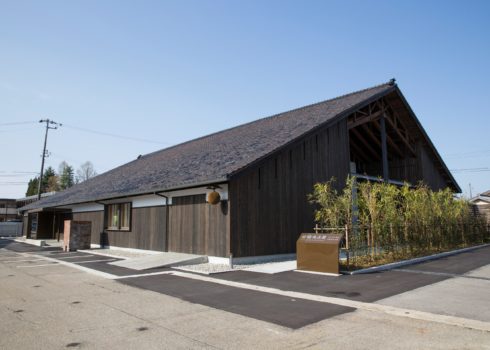
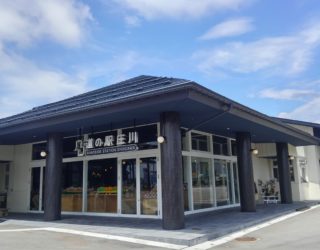
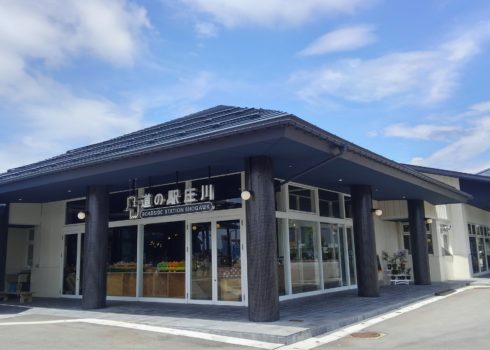
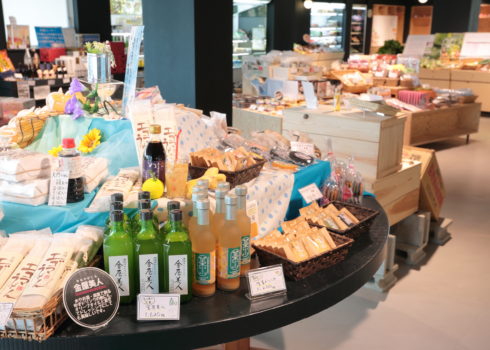
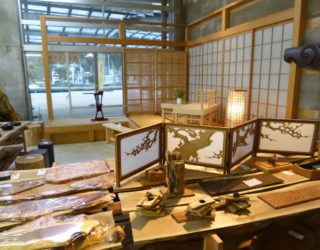
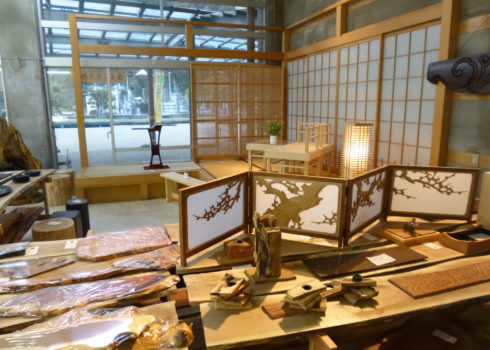
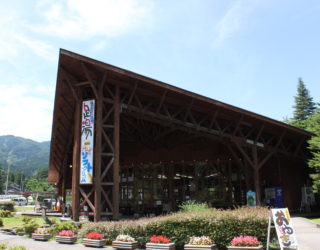

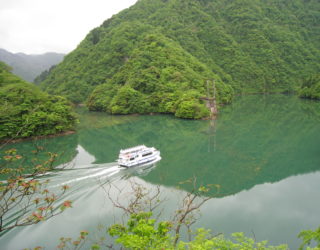
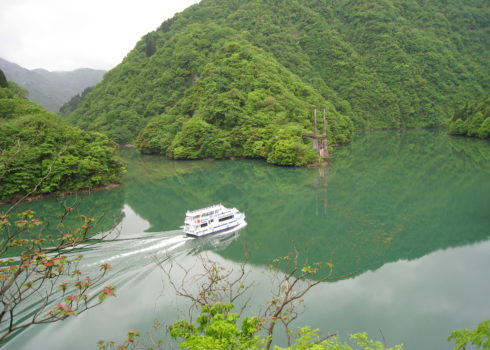
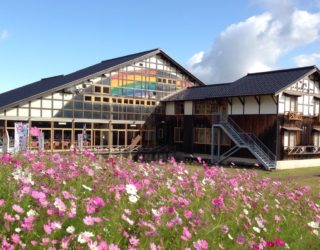
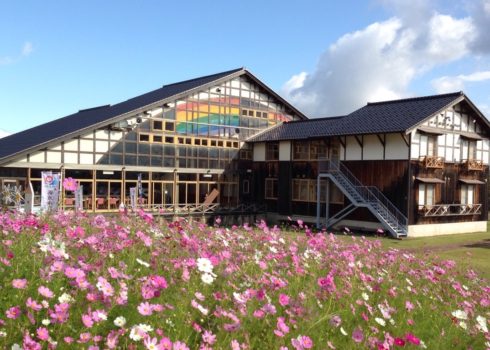
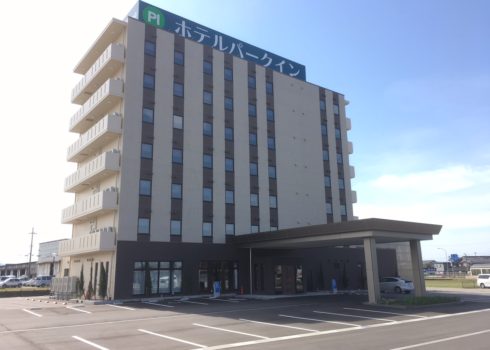
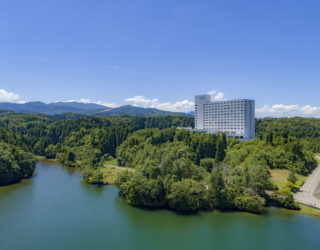
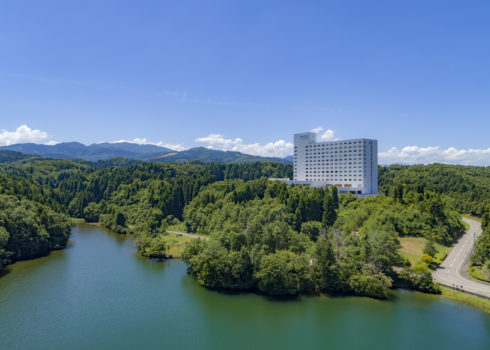
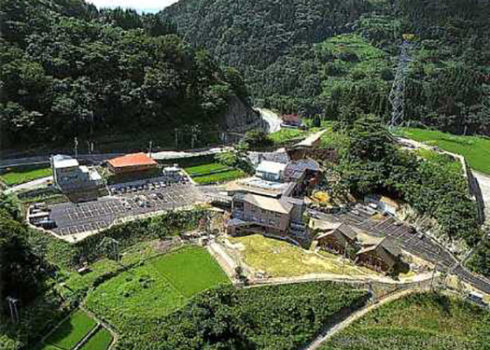
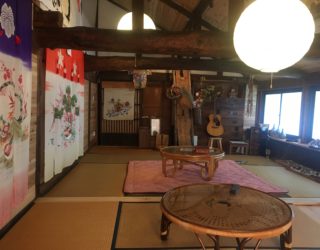
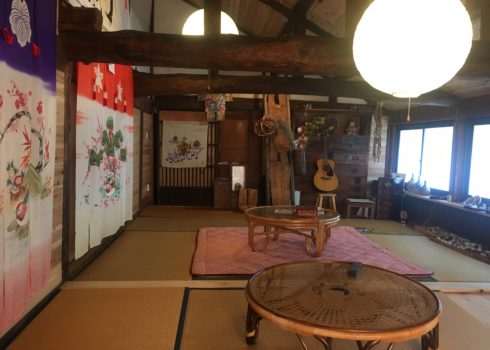
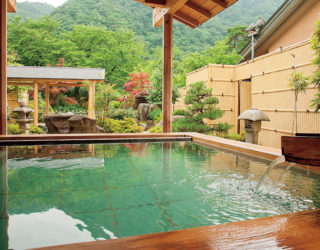
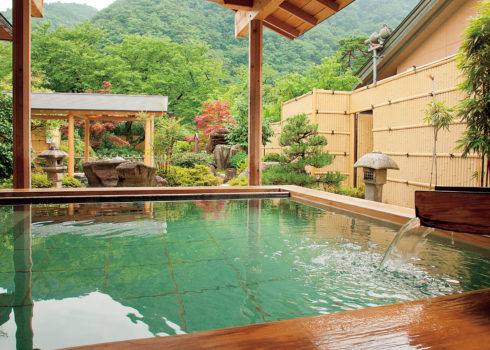
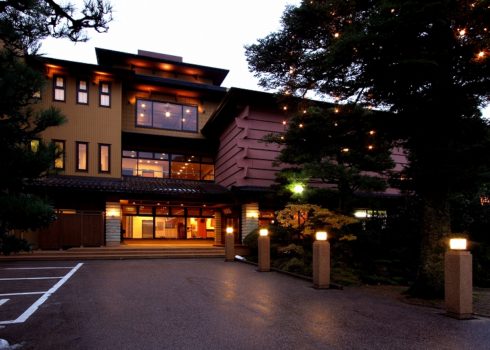
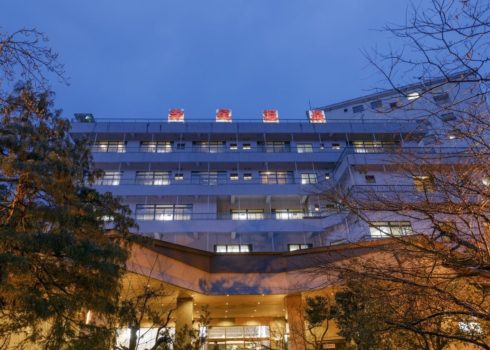
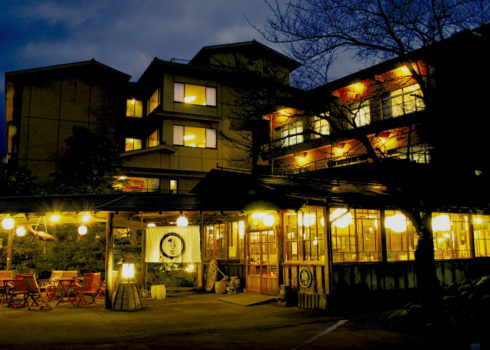
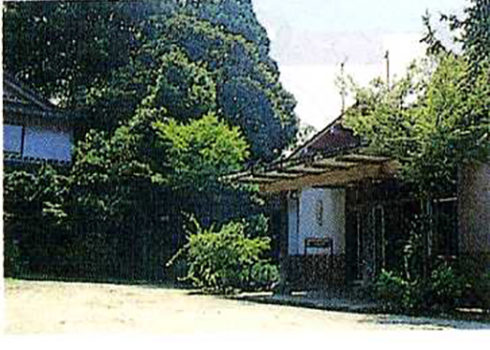
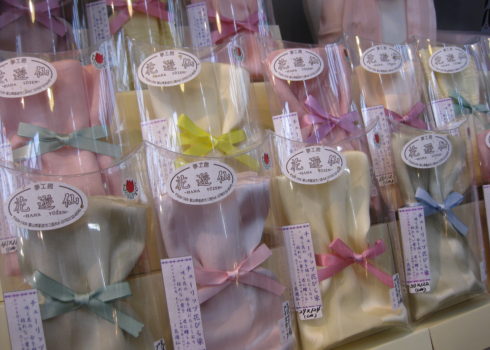
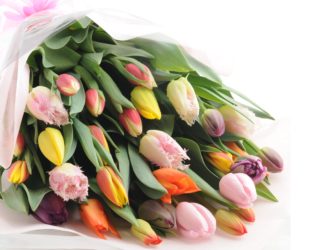
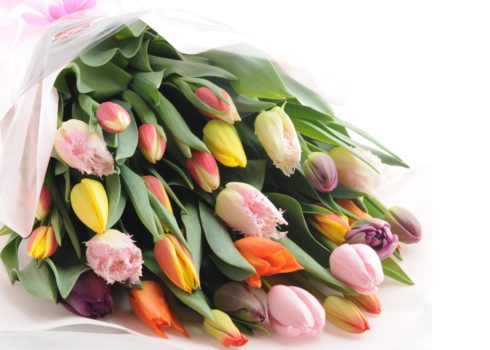
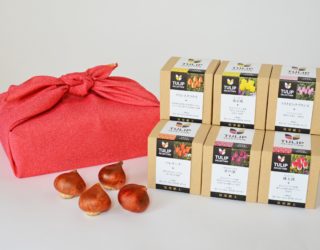
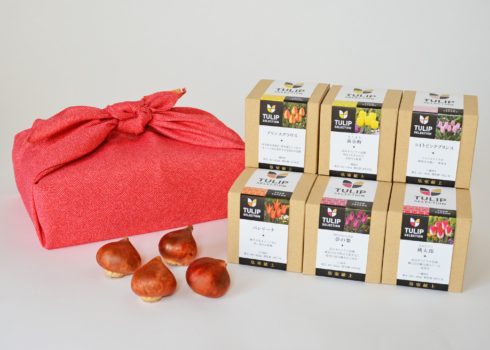
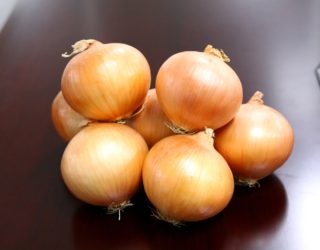
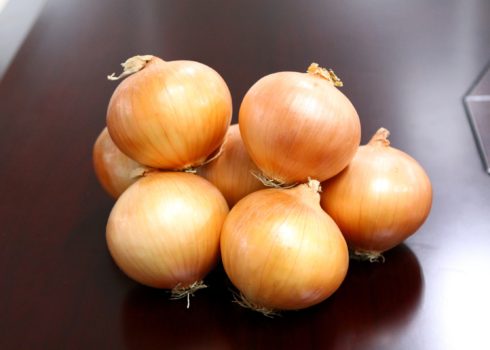
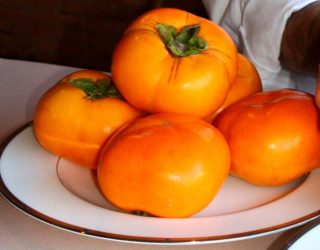
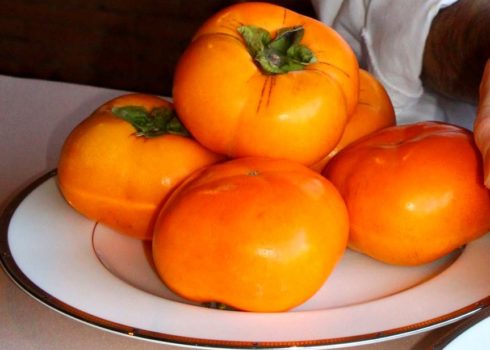
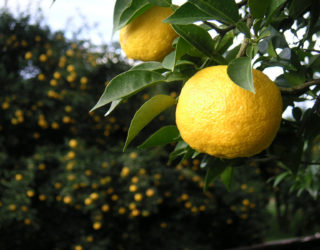
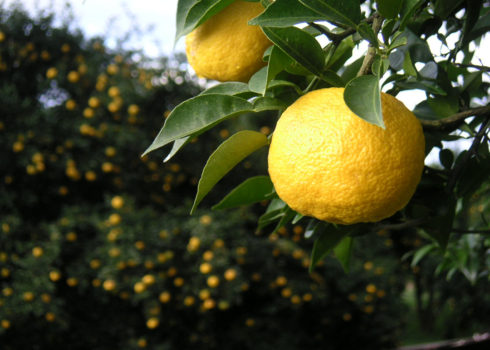
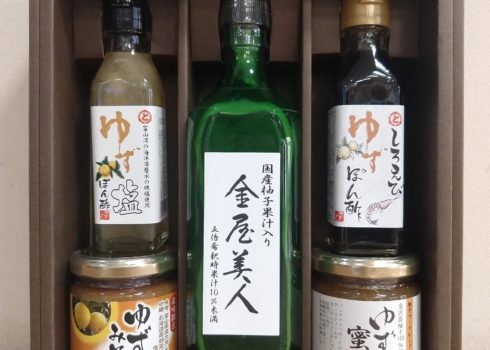
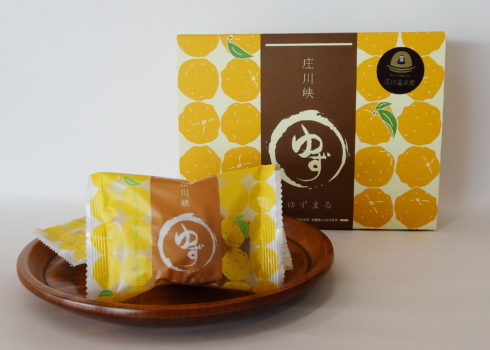
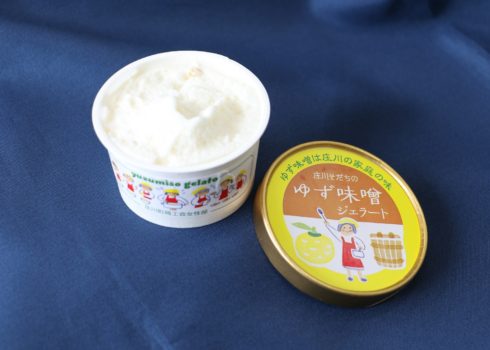
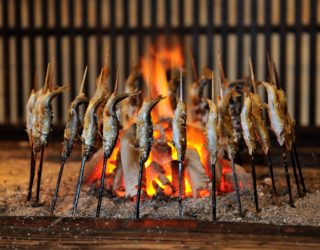
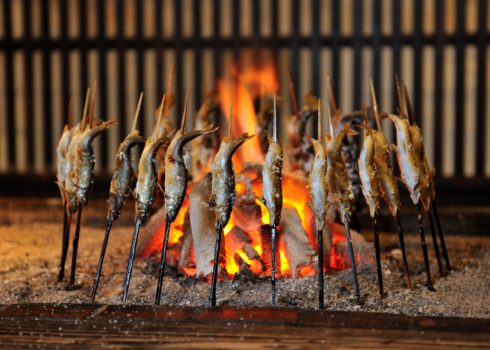
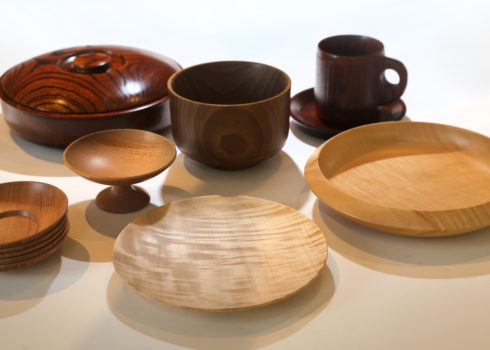
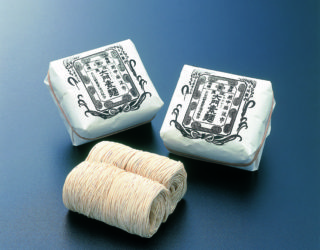
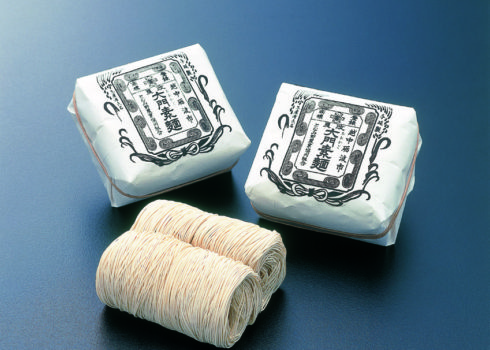
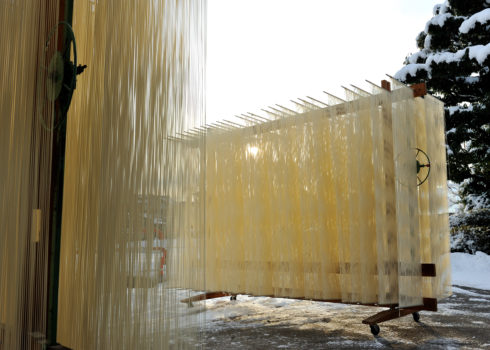
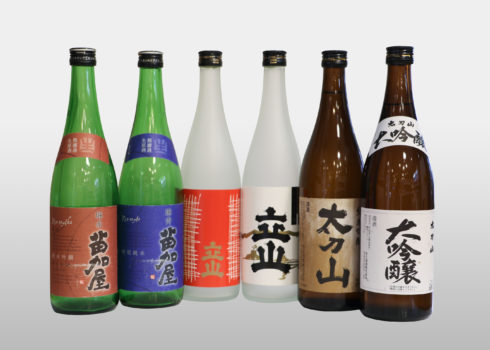
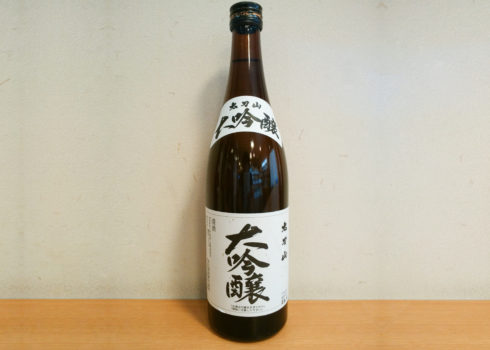
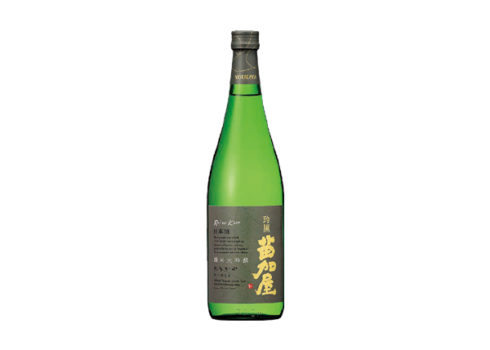
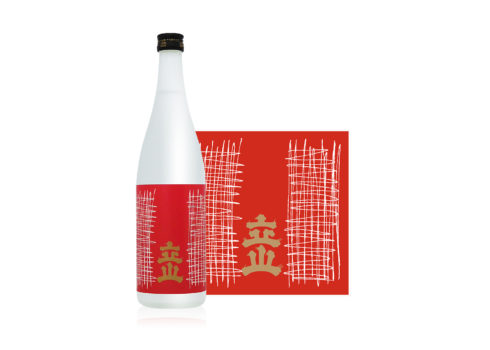
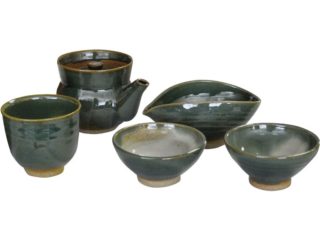
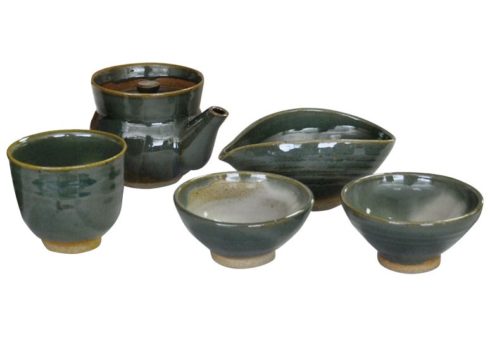
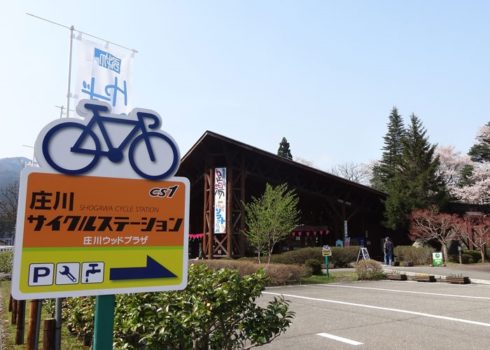
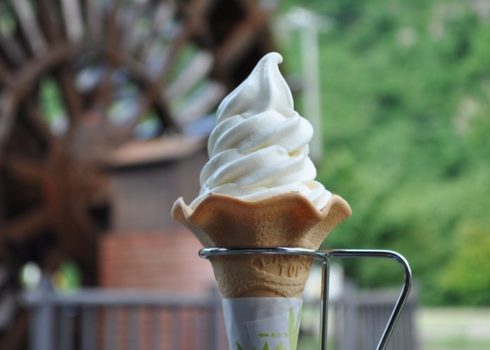
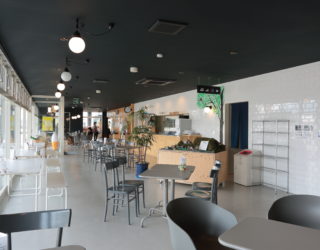
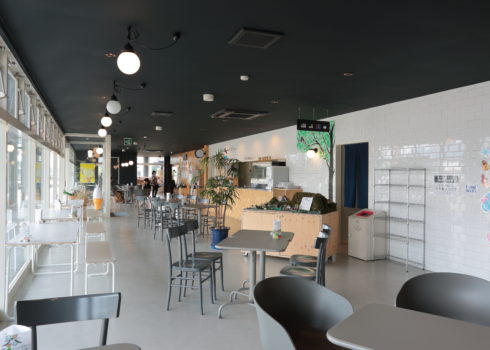
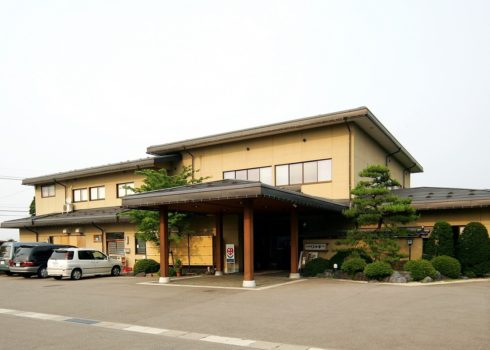
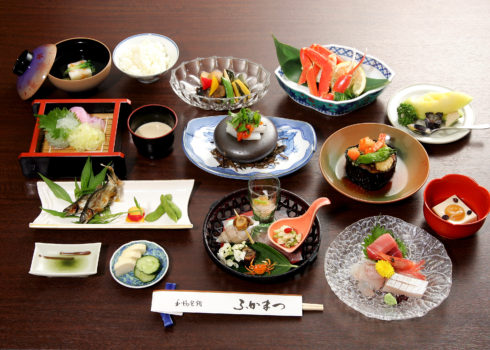
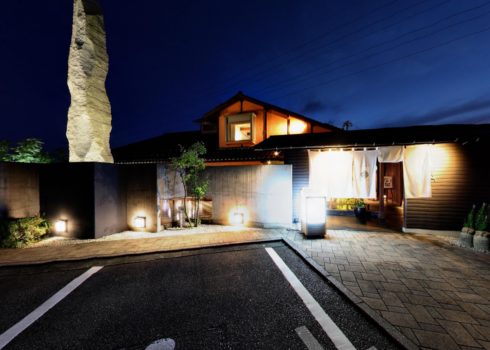
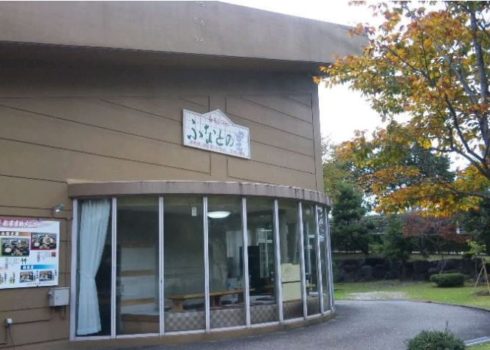
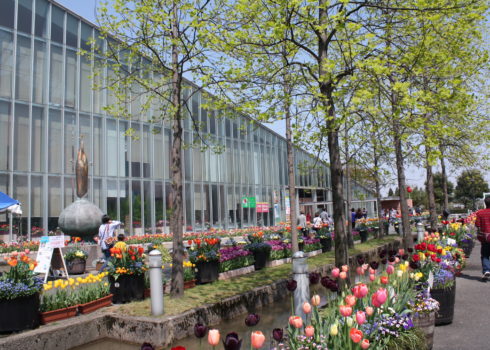
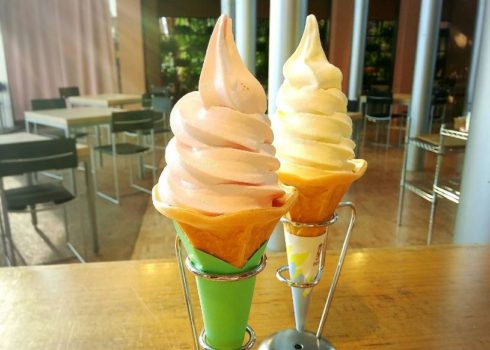
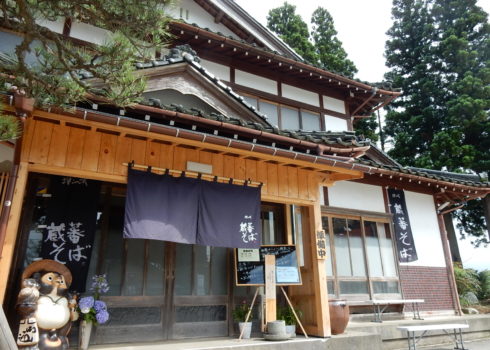
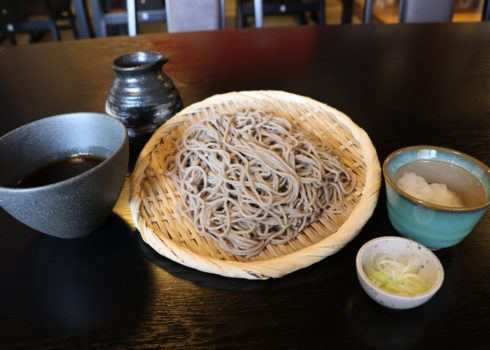
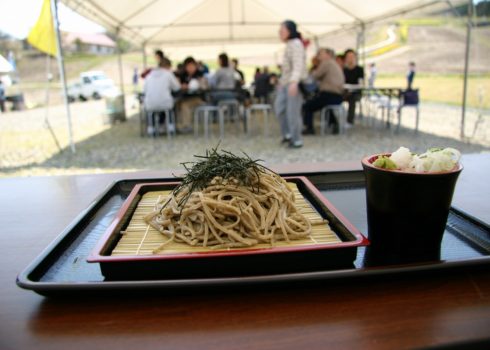
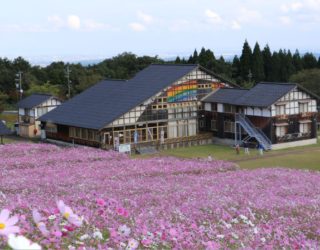
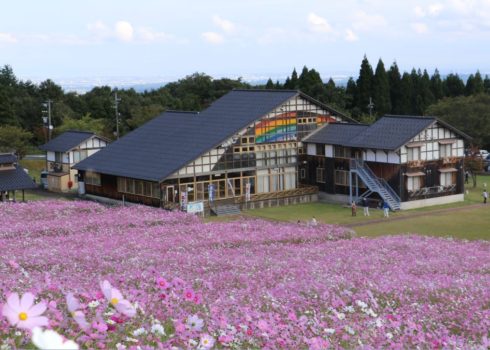
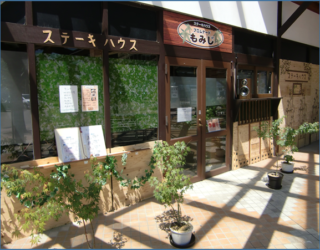
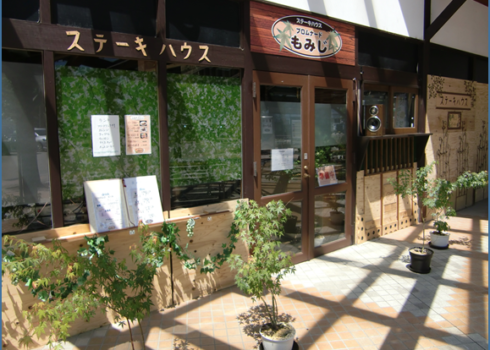
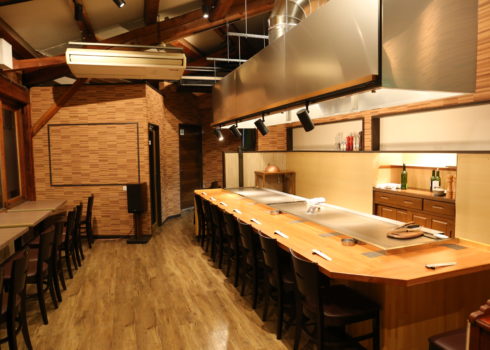
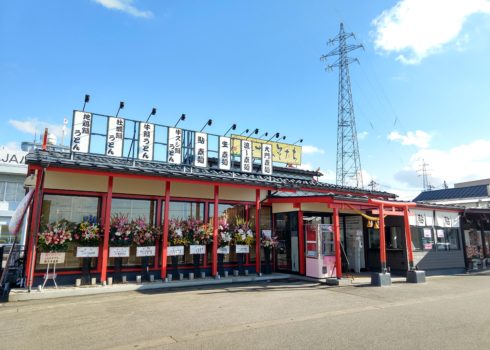
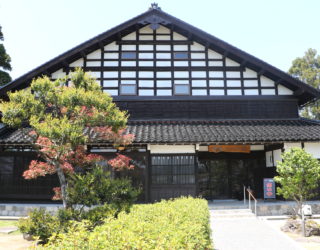
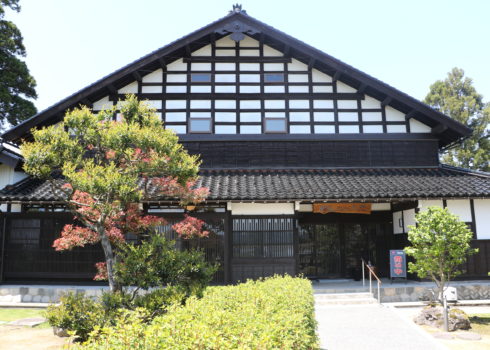
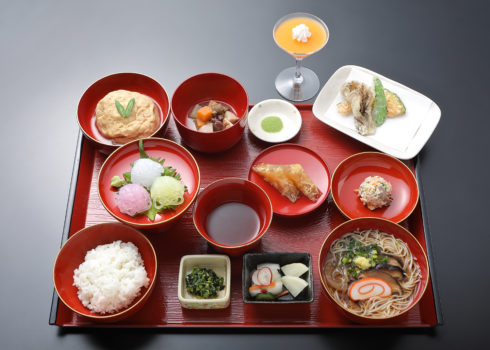
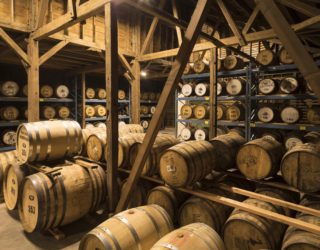
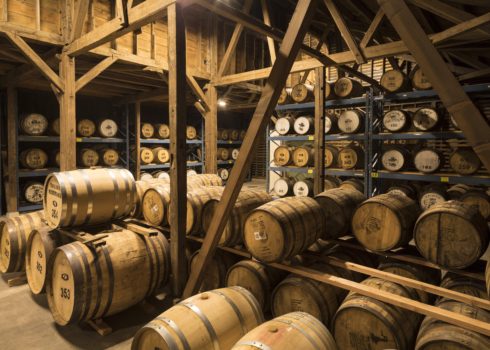
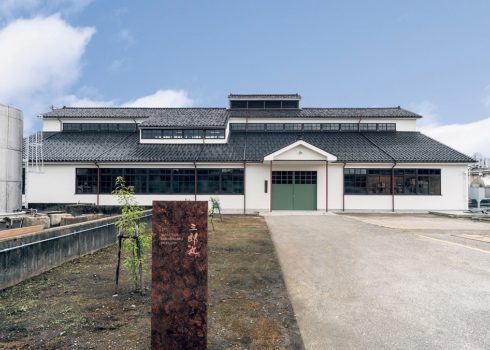
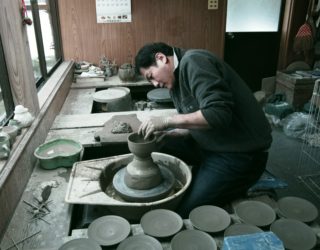
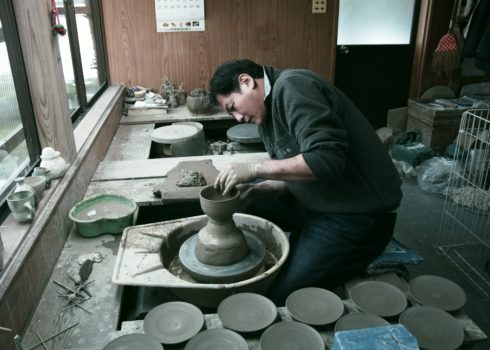
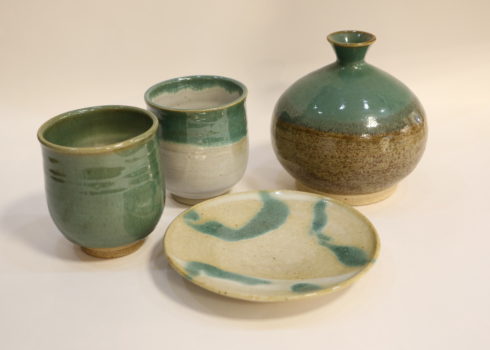
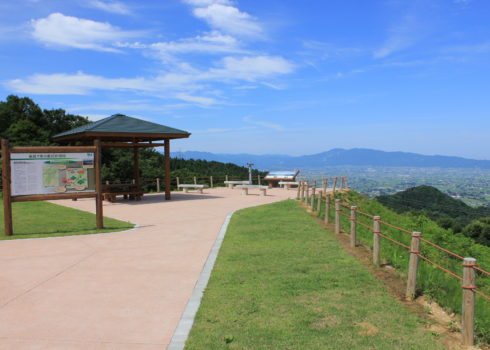
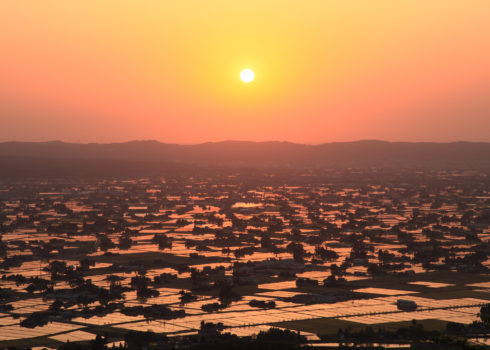
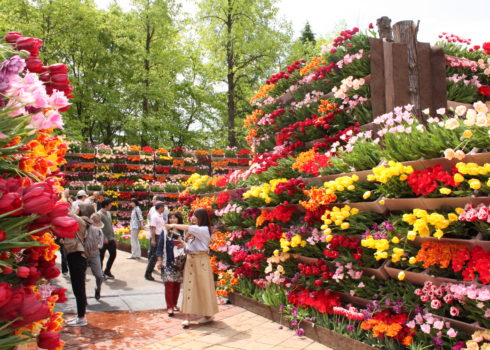
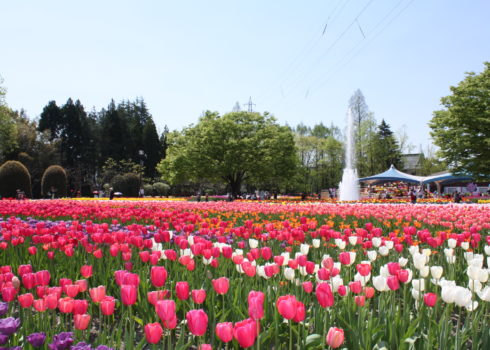
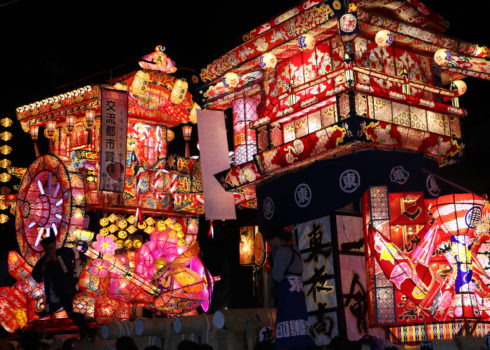
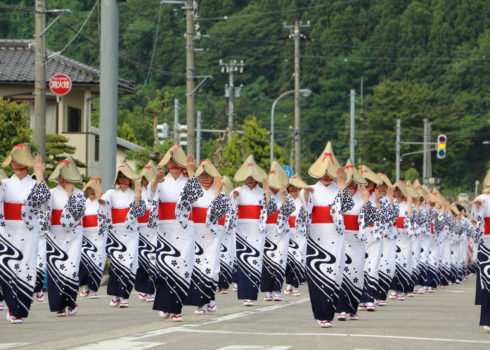
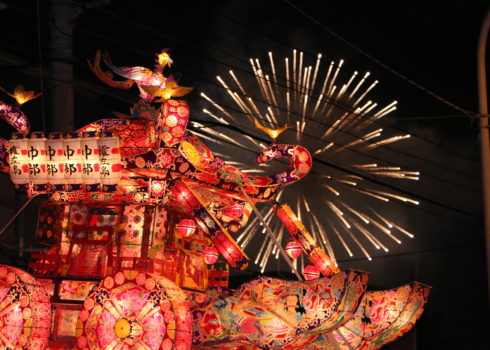
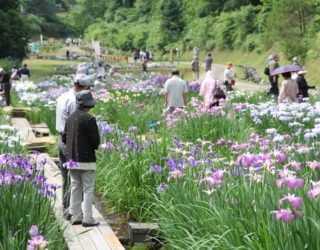
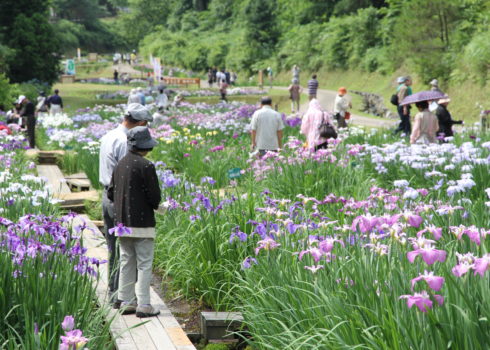
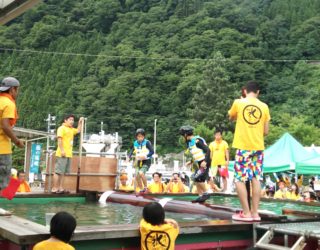
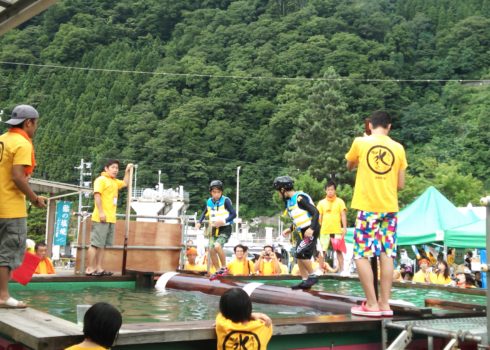
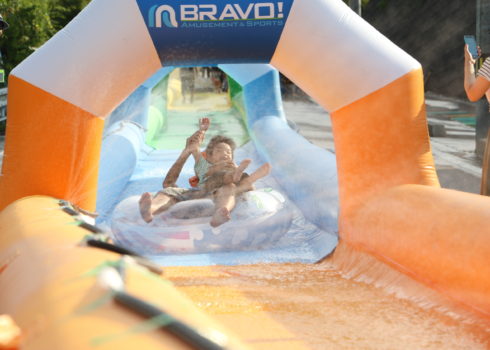

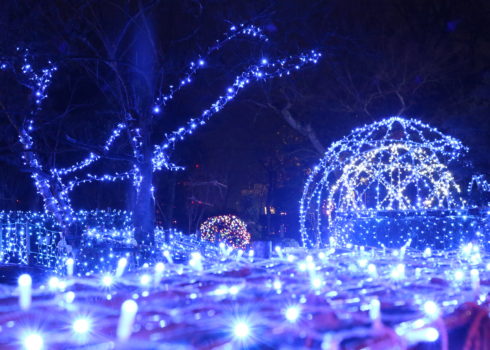
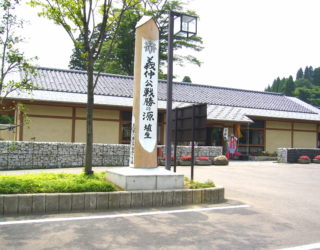
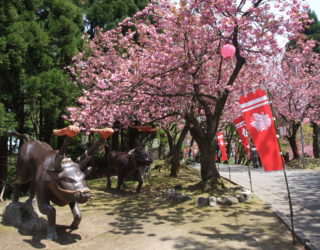 Tourist Attractions